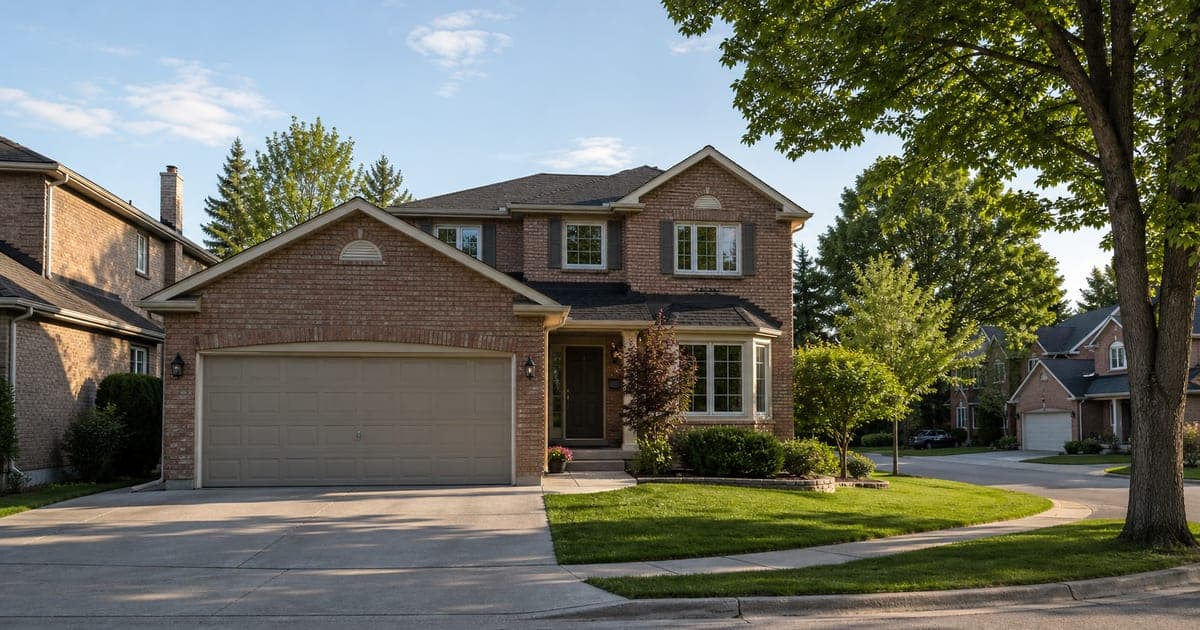
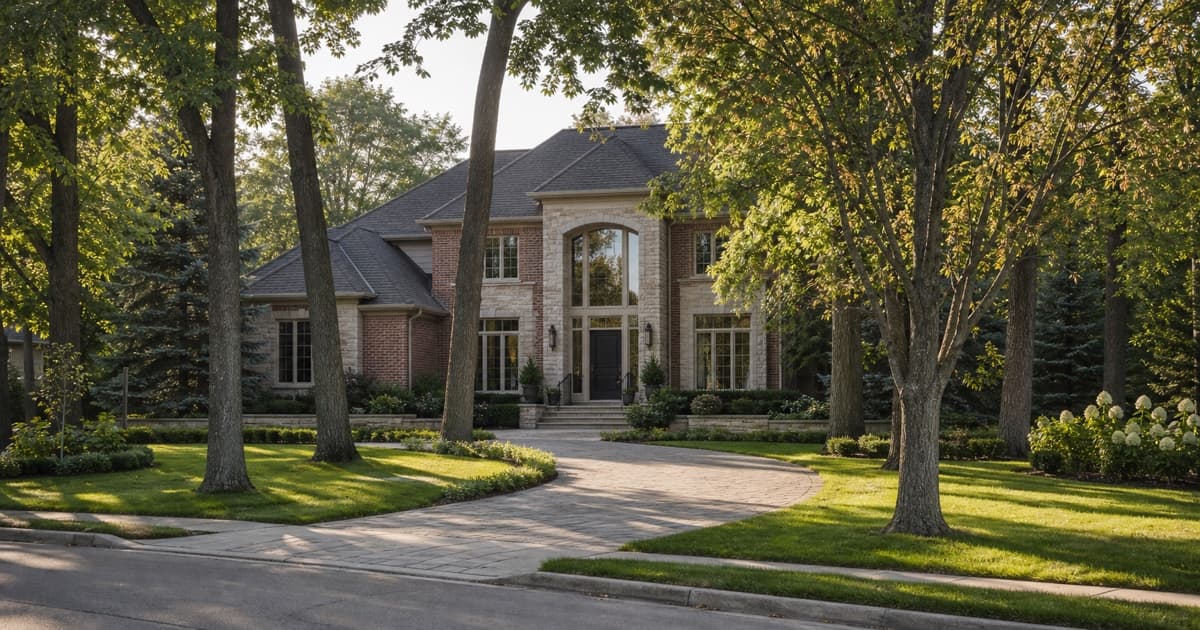
Aurora and Newmarket share a border and a police service, but a home assessment can look quite different from one street to the next. A larger Aurora lot, an older house near Newmarket’s Main Street, and a newer subdivision home do not present the same glass and door priorities.
This guide uses three common property patterns as a practical starting point. They are not labels for every house. They are a way to decide what to inspect first.
Two towns, one police service
York Regional Police covers both Aurora and Newmarket. Its public headline statistics describe York Region as a whole, not the risk on a particular street. A regional number can provide context, but it cannot diagnose an individual property.
What separates the examples below is built form. Aurora’s zoning includes estate-residential areas. Newmarket has a formally designated Lower Main Street South Heritage Conservation District as well as newer subdivisions. Those official designations support the broad housing context without pretending every home is the same.
The Aurora estate-lot profile
Aurora's larger lots and luxury detached homes share a recognisable shape. The frontage is set deep behind the street. Mature trees and landscaping screen the approach. The house itself carries a lot of glass: wide front windows, a two-storey foyer with tall sidelights beside the entry, and generous rear glass facing a private back yard.
The assessment question is how that glass relates to the entry. A tall sidelight close to the lock deserves a different look from a fixed pane well away from it. Rear windows and patio glass may also have less visibility from the street.
On a deep or heavily landscaped lot, visibility can change by elevation. Walk the perimeter and check what a neighbour or passer-by can actually see rather than assuming the front of the house is fully exposed.
None of this is a reason to panic. It is a reason to know which panels matter on your specific floor plan, and to address the glass before anything else.
The Newmarket historic-core profile
Newmarket’s Lower Main Street South district contains designated heritage properties and a protected streetscape. On an older home in or near that area, original proportions, sidelights, basement windows, and later additions can put several generations of glass and frames on one property.
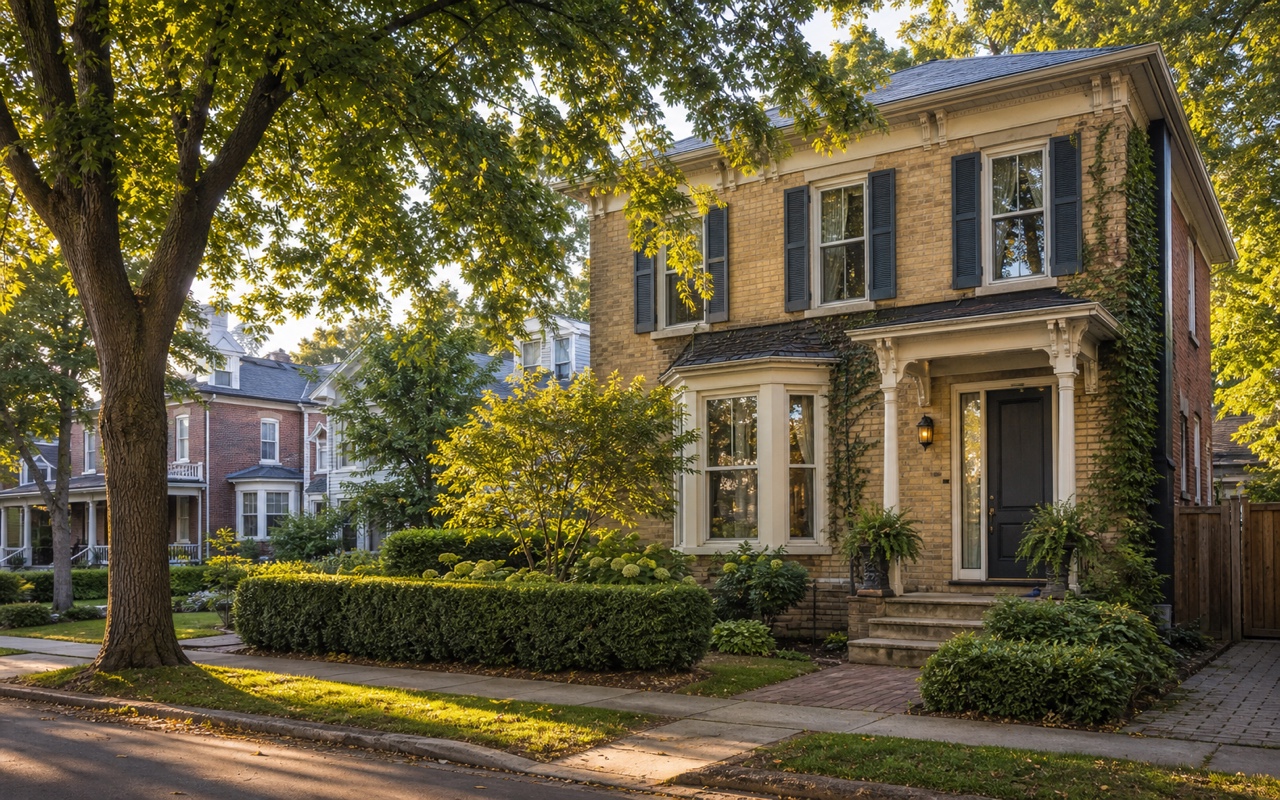
Two details are worth checking on an older lot: whether sidelight glass is close enough to reach the lock, and whether basement windows sit near grade behind landscaping or a change in elevation. The glass type and frame condition must be verified on site.
The frames on a heritage home were built for weather and appearance, not forced-entry resistance. That is an architectural fact, not a criticism of the house. It simply means the original glass and frame deserve a closer look than most owners give them.
The Newmarket new-subdivision profile
Stonehaven, Summerhill, and other newer subdivisions often repeat floor-plan ideas, but the details still vary by builder and renovation history.
Common inspection points include sidelight glass beside the front door, rear patio sliders, walkout-basement glass on sloped lots, and the door between an attached garage and the house. The last one is easy to overlook because it is not visible from the street.
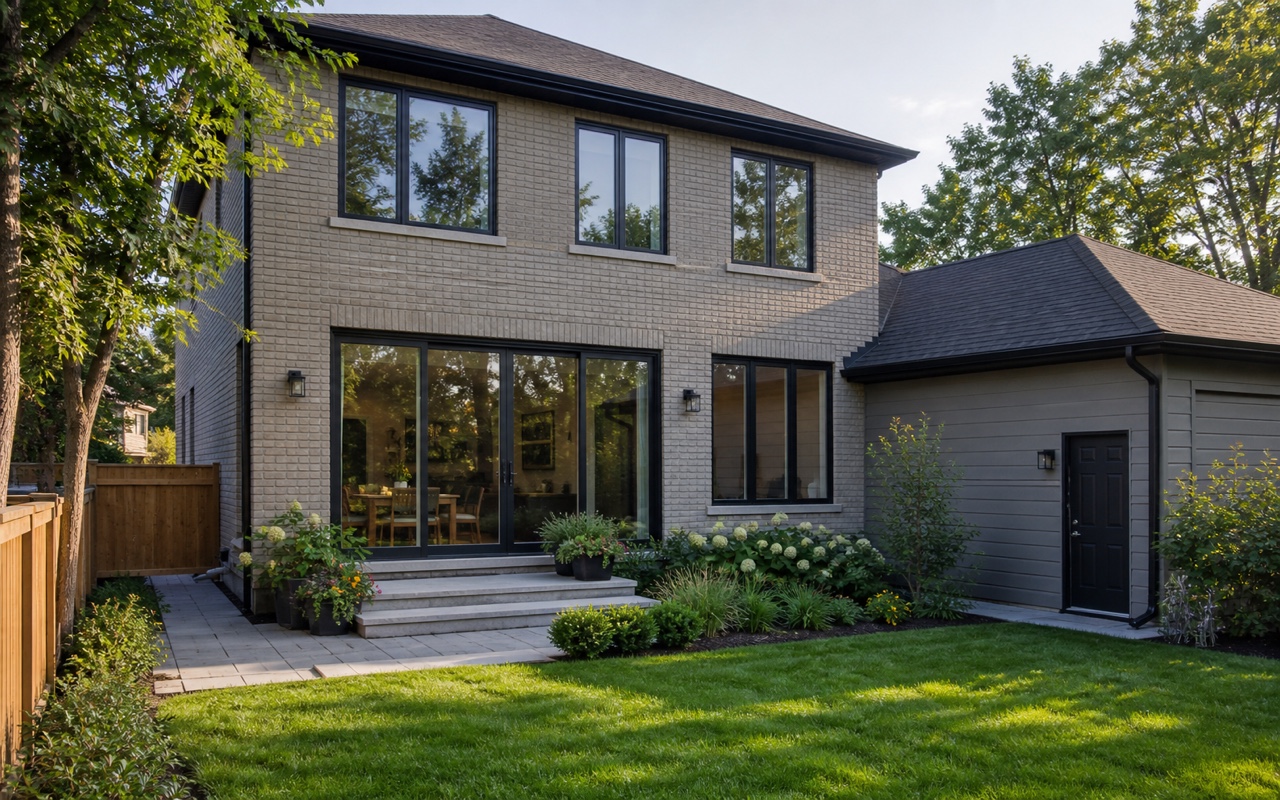
For a patio slider, inspect both the glazing and the way the door closes and latches. For the garage-to-house door, inspect the strike zone and the condition of the frame. Treat the rear sightline as a property-specific observation, not a neighbourhood-wide assumption.
Why the glass is the common thread
Across all three profiles, glass near a latch or reachable from grade deserves attention. The existing glazing may be annealed, tempered, laminated, or part of an insulated unit; appearance alone is not enough to identify it.
Security film is designed to retain glass fragments after a fracture and add resistance while the pane is being cleared. It does not make the glass unbreakable, and Clear Guard does not attach a universal time or force claim to a finished window. You can read the mechanism in How Security Window Film Works: A Visual Guide.
A Clear Guard technician can walk your Aurora or Newmarket property with you and explain which panels matter for your floor plan. The on-site assessment is free and ends with a written quote.
The film also carries manufacturer-backed coverage; you can read the details on our warranty page.
The YRP picture for Aurora and Newmarket
York Regional Police reported 481 residential break-and-enter incidents across York Region from January through June 2026, compared with 640 in the same period of 2025—a reported decline of about 25%. That is encouraging regional context. It is not a score for Aurora, Newmarket, or any neighbourhood.
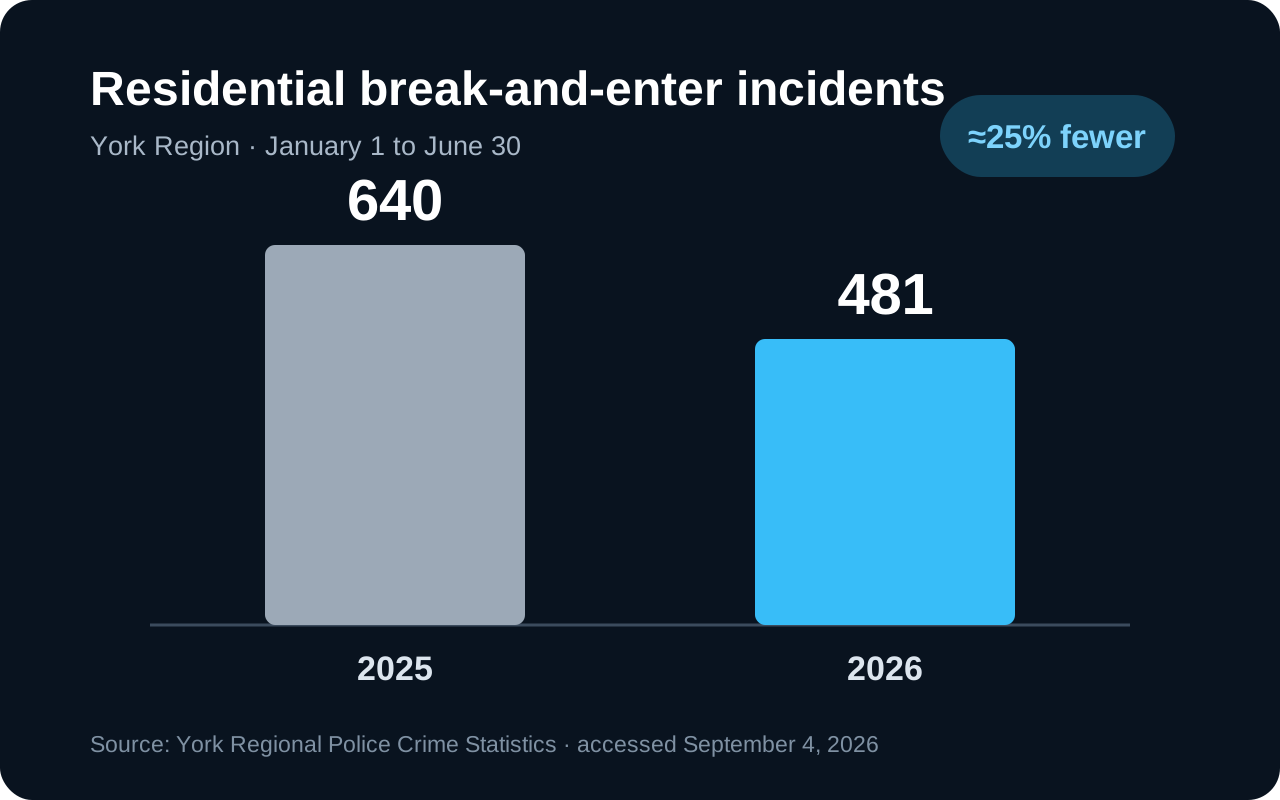
Use the statistic for scale, not prediction. The useful next step is still a property-level inspection of reachable glass, nearby latches, door frames, lighting, and sightlines. For data from all supported GTA police services, see our GTA break-in statistics page.
What an Aurora or Newmarket assessment usually covers
An on-site assessment starts at the glass, then moves to the doors. The exact scope depends on which profile your home fits.
On a larger Aurora estate lot, the priority is the big front and rear glass and the tall foyer sidelights, because that is where the largest exposed area meets the lowest street surveillance. On a Newmarket historic-core home, it is the sidelight glass beside the door, any near-grade basement windows, and the glass in rear additions. On a Stonehaven or Summerhill subdivision build, it is the front sidelights, the rear patio slider, walkout-basement glass, and the attached-garage man-door.
Film handles the glass wherever it sits. Where the front frame or the garage man-door is the weak point, that strike zone is assessed separately for reinforcement. Door fortification on those frames is handled with ARX Guard, which makes a forced attempt a sustained, audible event rather than a quick bypass.
A few related entry points come up often enough to read about in advance:
- Sidelight Glass on Heritage Front Doors: The Entry Point Most Homeowners Miss
- Patio Door Security: The Most Common Entry Point for GTA Break-Ins
- Basement Windows and Grade-Level Glass: The Overlooked Entry Point
- Vehicle Key Storage and Your Garage Door
- New Construction vs. Retrofit: Why Builder-Grade Doors Aren't Built for Security
If your subdivision experience sounds familiar, Central Brampton and Sandalwood: The Builder-Grade Door Security Gap covers a related door-and-frame pattern from another part of the GTA.
Frequently asked questions
Does security window film make sense on a larger Aurora estate home? It can, particularly where reachable glass sits close to a latch or large rear panes have limited visibility from the street. The glass type, frame, and sightlines must be checked on the property before recommending film.
My home is a newer Newmarket subdivision build — is the approach different? The glass is the same problem, but the priorities shift. Stonehaven and Summerhill-era homes often carry sidelight glass beside a builder-grade front door, large rear patio sliders, and an attached-garage man-door as a strike zone. Film covers the glass wherever it sits, and the front frame and garage door are assessed separately for reinforcement.
Does York Regional Police publish break-in numbers for my Aurora or Newmarket neighbourhood? YRP’s public headline statistics are regional, not a prediction for one street. Clear Guard does not turn a York Region total into a neighbourhood claim. Use the live GTA data page for regional context and assess the actual property separately.