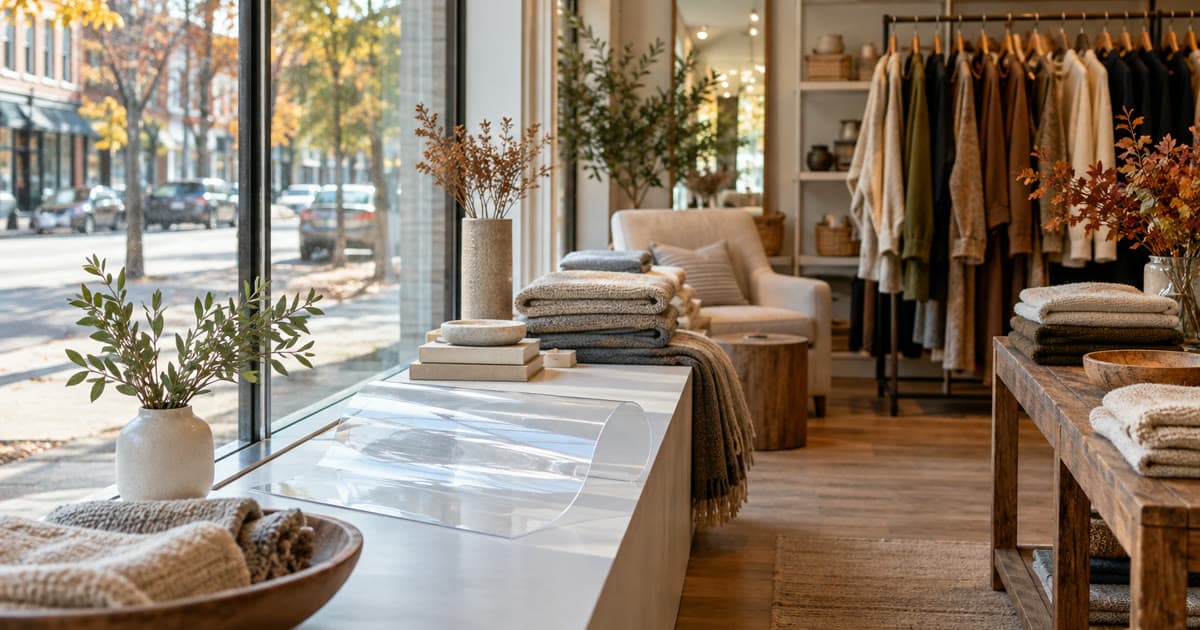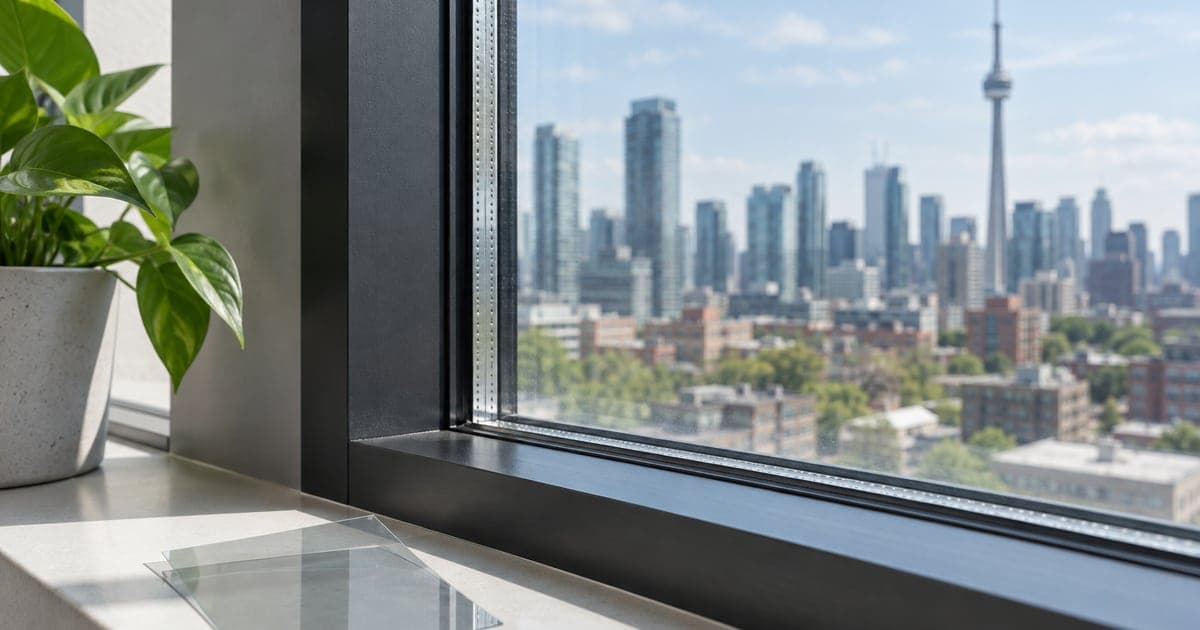
Restaurant window film should be selected around the seats, screens and service periods affected by the glass. A sunny lunch table, a payment terminal and an evening dining area can need different treatment even when they share one storefront.
Solar film can help manage solar heat and glare. Privacy coverage needs its own decision, especially when the restaurant stays open after dark. Start by recording the problem in each area, then review suitable films and samples against those observations.
Record restaurant window problems by service period
A useful description is specific: “The two window tables receive direct afternoon sun during lunch,” or “The payment screen reflects the west-facing glass.” These are hypothetical examples of observations, not measured results from a Clear Guard project.
Record the time and location rather than describing the whole dining room as too hot or too bright. Heat near sunlit glazing, kitchen heat and ventilation concerns are different problems. Film selection should not stand in for investigating an equipment or ventilation issue.
Ask staff to note when customers move seats, when an existing shade is lowered and whether the problem changes during service. These observations can guide a sample review; they do not establish a predicted temperature reduction or business return.
Use a simple observation line for each affected area:
Zone or window / service period / observed issue / view to retain / privacy needed / check still outstanding.
A lunch observation alone cannot answer an evening privacy question. Make a separate note with the dining lights on and the exterior darker.
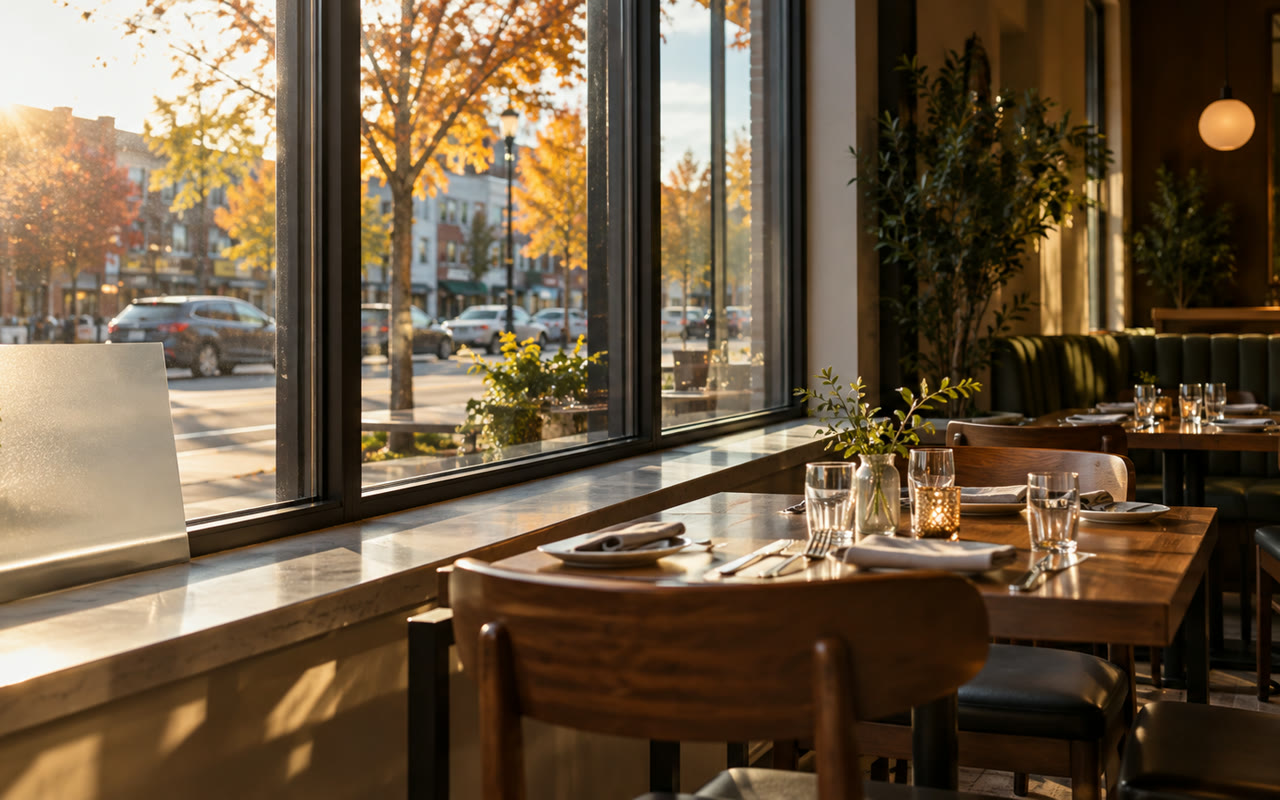
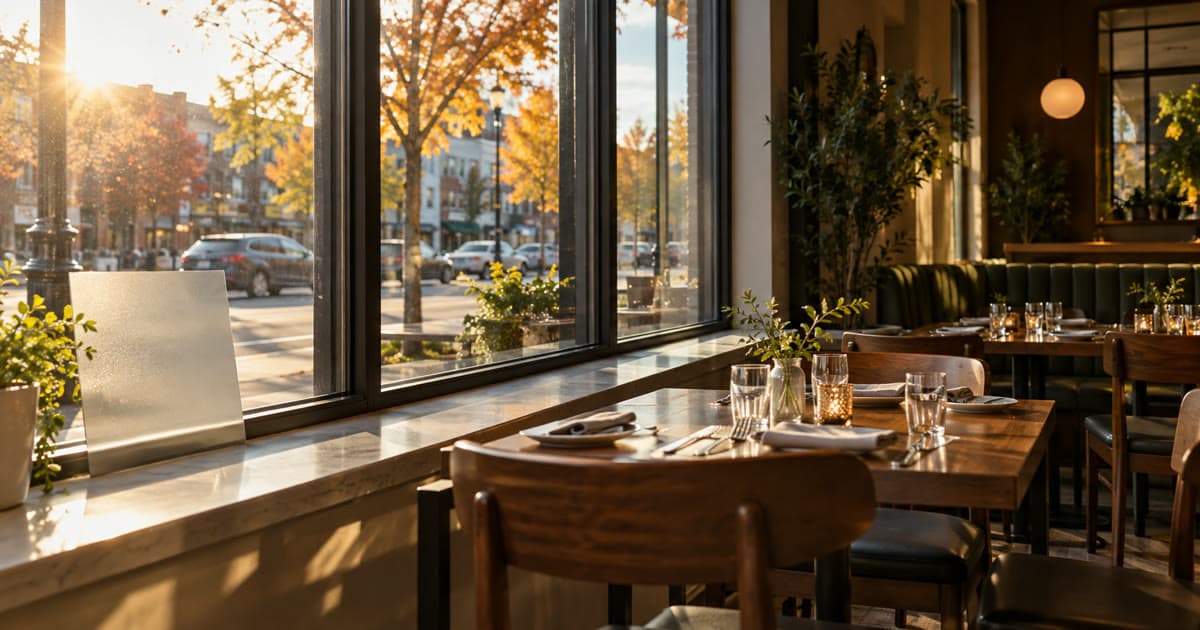
Illustrative editorial image; not a Clear Guard customer property or performance test.
Compare the treatment with the task
The starting point is the problem to solve, not a preferred tint colour. Commercial solar window film and privacy or frosted film address different requirements. An adjustable covering may remain useful where conditions change through the day.
| Restaurant zone | Observable issue | Film or covering to assess | What the sample must show |
|---|---|---|---|
| Sunny window seating | Direct sun or glare at occupied tables | Compatible solar-film candidates; existing shades where relevant | Acceptable daylight, view and glare from the seated position |
| Counter with a payment screen | Reflections affecting screen visibility | Solar-film candidates and screen or shade positioning | Whether the normal working position remains usable |
| Street-facing evening dining | Views into the room after dark | Frosted coverage or an adjustable covering | Screening from outside with service lighting on |
| Internal private dining room | Views through a glazed partition | Decorative finish and coverage layout | The relevant view is obscured without relying on a product name alone |
The rows are a planning comparison, not a specification approving a particular film for each zone. A single product may not satisfy every area. Do not assume separate films can be layered to combine their functions; that needs its own product and glazing review.
Describe the affected seating areas and service times when you request a restaurant solar-film quote. Clear Guard reviews the scope by phone before arranging a site assessment.
Read solar-film figures separately
Visible light transmission, or VLT, describes transmitted visible light on the stated measurement basis. Glare reduction and total solar energy rejected, or TSER, are separate figures. None is a direct prediction of the dining room's temperature, perceived brightness or electricity bill.
The solar-film comparison tool lets you compare approved product data by those measures. Use it to prepare questions, then test suitable candidates in the actual setting. The film and blinds guide explains how a fixed film and an adjustable covering can play different roles.
Manufacturer performance sheets also have a stated test-glass basis. Compatibility requires a separate check of the restaurant's glazing and the proposed product. XPEL publishes performance and film-to-glass resources for that review.
Check samples from the table and the street
View the sample at a diner's seated eye level as well as from the host station. Look at the outside view, nearby menus and screens under the lighting normally used during that service period. Record what the team observes instead of treating a photograph as a performance measurement.
For privacy, inspect from the observer's side of the glass. A band that looks balanced from inside can leave a view around its edges. Check the actual seating arrangement and the positions where people pass or stand outside.
Reflective screening depends on relative lighting. XPEL describes its daytime effect when outside is brighter and its reduced effectiveness at night with interior lights on. This makes an evening sample check essential for restaurants seeking privacy during dinner. See XPEL's decorative-film FAQ.
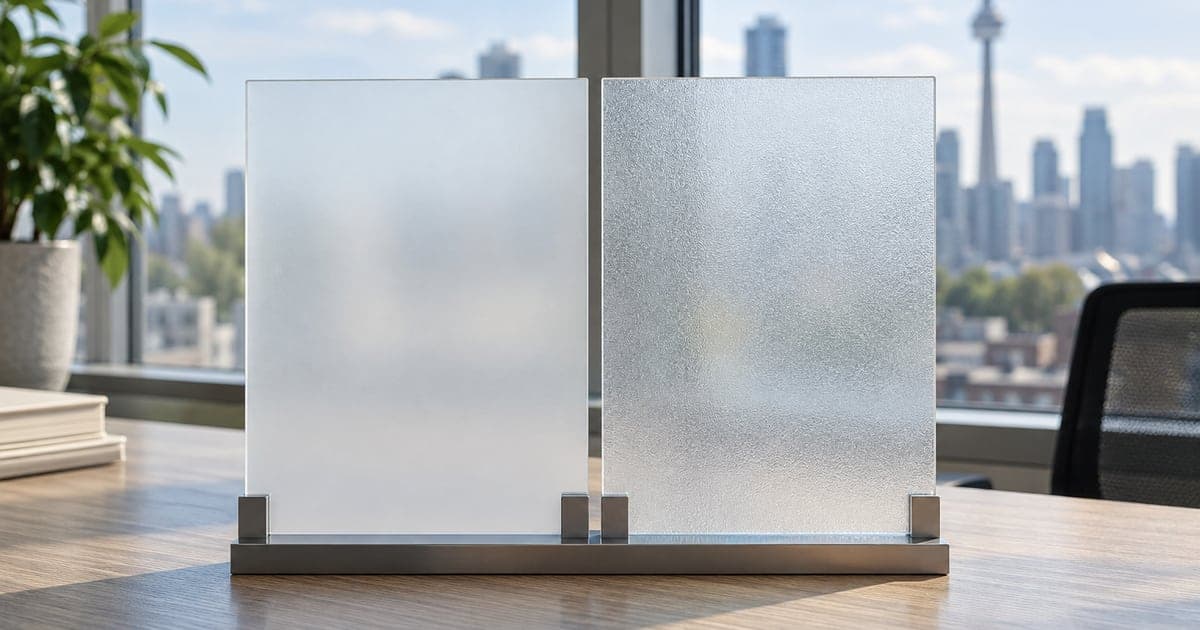
Frosted coverage also needs a practical sample review. Check silhouettes, backlighting and people close to the glass. Do not infer acoustic privacy from decorative film; assess doors, partitions and other sound paths separately. The night-privacy guide covers the lighting questions in more detail.
Document glazing and installation access
When discussing commercial film services, share available glazing information, existing film details and the affected pane locations. Keep room or zone names consistent across notes and photographs. If the restaurant leases the premises, identify who can approve changes to the glass and exterior appearance.
Access deserves attention before scheduling. Fixed banquettes, display shelving, counters and nearby equipment can affect the working area. Discuss who will move items, how the area will be protected and how customers and staff will use the rest of the space.
Also identify food-preparation areas, delivery periods and proposed work windows. These are coordination topics for the project team, not a promise of installation during service or without disruption. Agree the final access arrangements after the scope has been reviewed.
Frequently asked questions
Will restaurant window film make the dining room too dark?
Light transmission varies by product. Review compatible samples during the affected daylight hours and under normal service lighting. Published VLT is useful for comparing candidates on the same basis, but it does not directly describe how bright the whole room will feel. Include the view and the usability of nearby menus or screens in the decision.
Can reflective window film provide privacy during dinner service?
Do not rely on a daytime reflective effect for evening privacy. When the interior is brighter than outside, people may be able to see in. Assess frosted coverage or a separate covering where screening is needed, and inspect the sample from outside with dining lights on. Coverage gaps and silhouettes still need review.
Can restaurant window film be installed outside service hours?
Request the preferred work period when discussing the project. Scheduling depends on the agreed scope, glass access, preparation and working conditions. Confirm the arrangement before moving furniture or changing reservations. An enquiry does not reserve an overnight slot or guarantee that the restaurant can operate normally throughout the work.
Plan your restaurant film assessment
Planning film for a Southern Ontario restaurant? Send the location, approximate glazing scope and the heat, glare or privacy issue you want assessed. Request a restaurant solar-film quote, and include any privacy requirements. We review the project before arranging an assessment and written quote.