

News reportJun 29, 2026
Toronto police seek a suspect in a break-and-enter investigation, per RED FM Canada.
Source: Google News — GTA police incident
Read Clear Guard analysis →Source: Toronto Police Service open data · Last updated: Sep 30, 2026
Neighbourhoods served: Rosedale, Forest Hill, The Annex, Leslieville, The Beaches.
Toronto's mix of century homes, detached two-storeys, semis, and high-fence back-yard access makes the city's break-in picture unusually varied. From Rosedale to Leslieville to High Park, the common thread is original wooden door frames and single-pane side-lights that haven't been reinforced since they were built. Clear Guard technicians work out of a central Toronto dispatch. We can typically be on-site within 48 hours for an assessment, and complete most residential installs in a single day. Most 416 projects we see are 4–8 windows plus a front and rear door: a one-day scope that delays forced entry by several minutes without changing how the home looks.
Crime patterns are not static. Tracking how forced-entry vectors shift across years lets us scope the right product mix per home, not last decade's threat model.
Toronto's residential housing stock spans roughly 130 years: Cabbagetown's 1880s row houses, the early-1900s detached homes of Rosedale and the Annex, the 1950s-60s post-war builds that fill North York and the Beaches, and the contemporary infill across the Junction and Liberty Village. Each generation of construction comes with a different forced-entry profile. Older homes in the central city tend to retain original wooden door frames, single-pane sidelights flanking front doors, and shallow door hardware. The pattern most professionals describe in 416 housing is straightforward: the front-door sidelight or the rear patio-door glass is the fast vector, not the deadbolt. Smash-and-reach takes a few seconds against unfilmed glass; the door itself often holds. Post-amalgamation Toronto (1998) consolidated the former boroughs (North York, Etobicoke, Scarborough, East York, and York) under Toronto Police Service. TPS publishes residential break-and-enter data through the Major Crime Indicators dataset, broken down by patrol division. Specific period-over-period numbers should be sourced from that portal directly when making any claim.
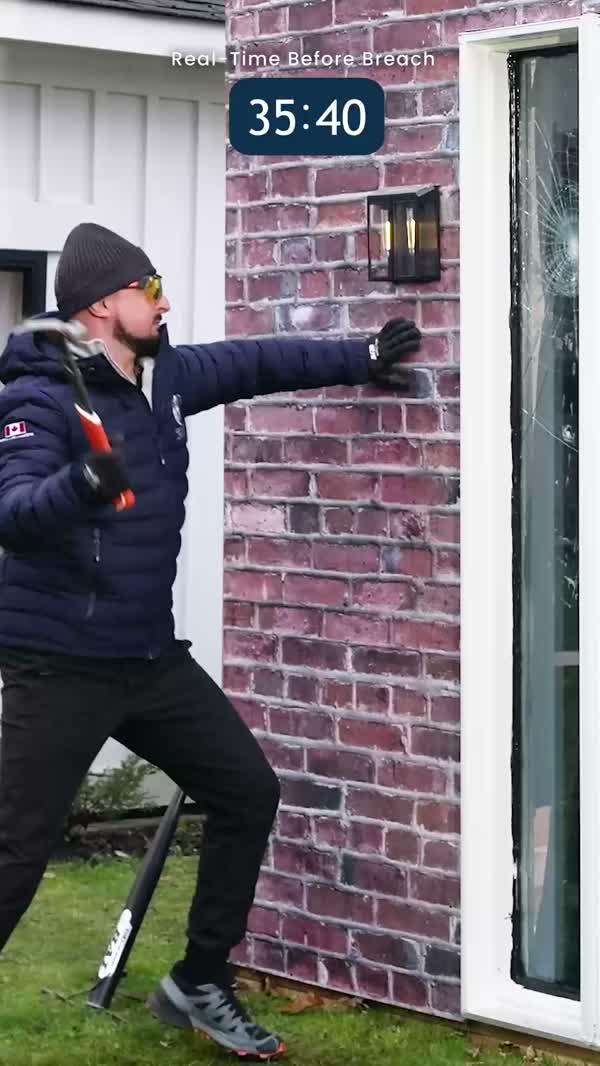
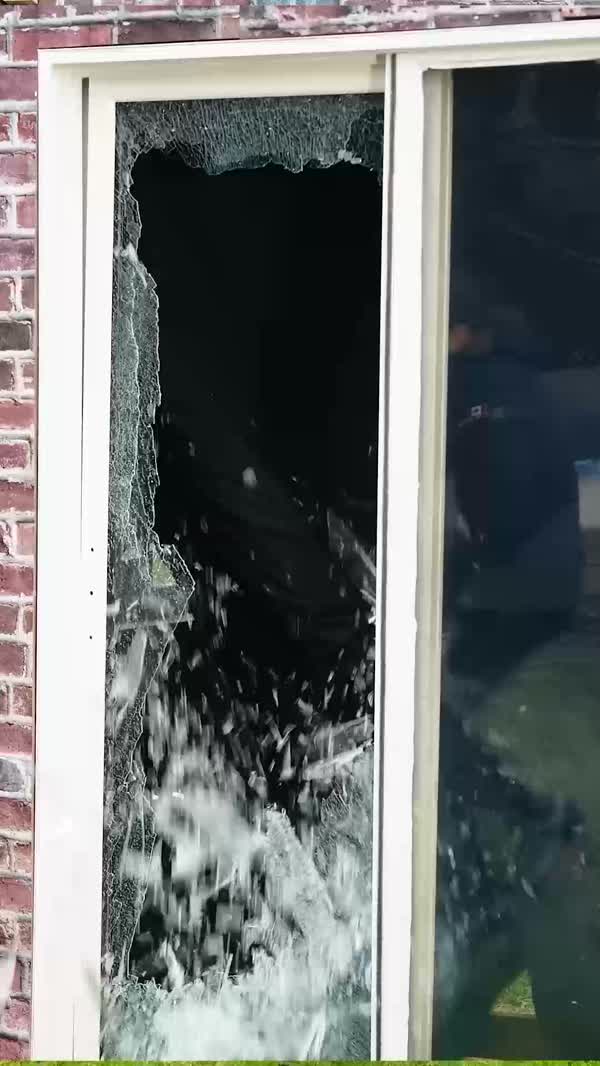
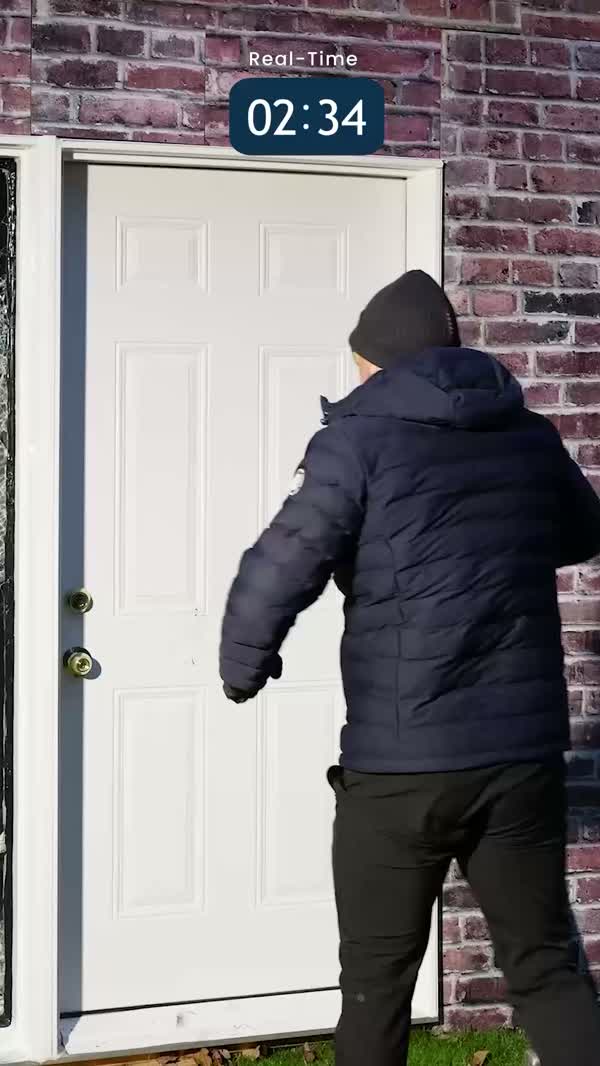
The two dominant Toronto entry profiles map cleanly to Clear Guard's two product lines. Front-door kick-ins and sidelight smashes are countered by the combination of our security film (on the sidelight glass and adjacent windows) and ARX Guard door fortification (door frame reinforcement on the door itself). Rear patio-door entries (common across central neighbourhoods with deep lots) are the textbook case for security film: the film keeps the shattered pane bonded so the hand-through reach the intruder needs simply isn't there.
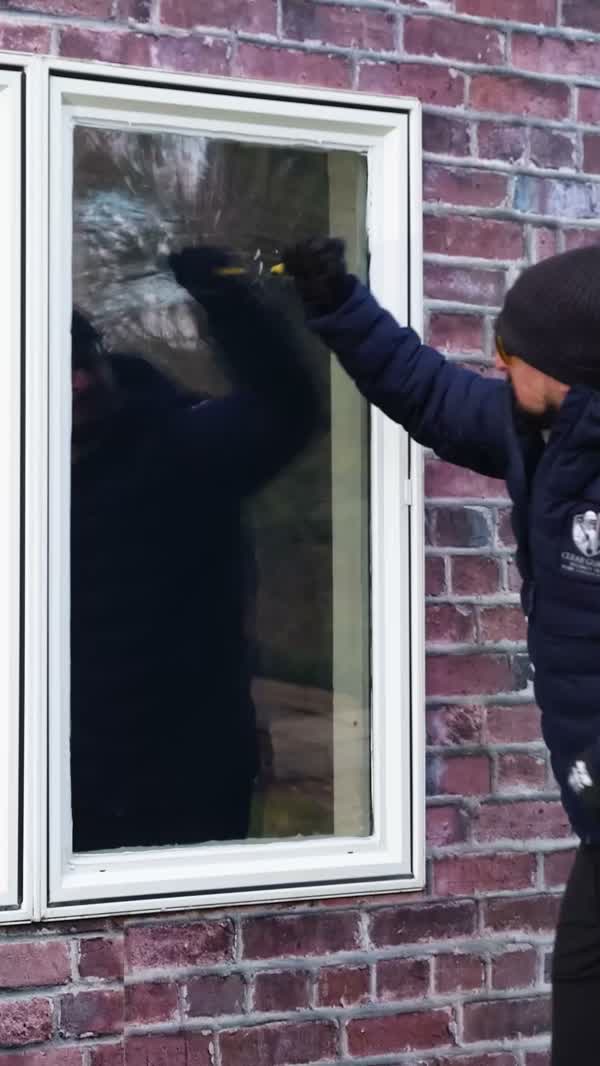
Our product demonstrations show how reinforced glass and fortified entry points respond compared to untreated glass and standard door frames.
Linked areas have a dedicated security overview with neighbourhood-specific entry-vector profile, housing context, and recent local incidents.
Source: Google News — GTA police incident
Read Clear Guard analysis →Source: Google News — Toronto
Read Clear Guard analysis →Source: Google News — Toronto
Read Clear Guard analysis →Source: Google News — Toronto
Read Clear Guard analysis →Source: Google News — Toronto
Read Clear Guard analysis →Source: Google News — Toronto
Read Clear Guard analysis →Local Watch is editorial commentary by Clear Guard on publicly reported incidents. Each item links to its original source. We do not assert any facts beyond what the cited source reports.
Still have questions? Call (416) 907‑6900 or start a chat, and we'll answer honestly.