
Retail window film can reduce UV exposure through display glazing, depending on the product selected. UV reduction does not prevent all fading or promise that merchandise will retain its appearance. The useful starting point is understanding what sits beside the glass, how it is displayed and what shoppers need to see.
For a shop or showroom, film selection involves both exposure and presentation. A UV specification answers a different question from the appearance of a display viewed from the pavement. Review both before approving a product.
Retail window film and display damage
UV, visible light and heat have different effects on materials. The Canadian Conservation Institute explains that visible light can fade sensitive colourants. UV can also damage materials, while infrared radiation heats surfaces. Material sensitivity varies, so there is no universal display lifespan. Canadian Conservation Institute: Light, ultraviolet and infrared.
These principles explain why a UV headline cannot establish complete protection. The Institute's guidance on UV filters specifically cautions that excluding UV does not stop all fading. CCI: Ultraviolet Filters.
That conservation research supports understanding exposure. It does not predict how long your stock will retain its colour or establish an operating rule for your shop.
If an item has already changed appearance, avoid diagnosing the cause from a photograph. Record where it was displayed and ask its supplier about material-specific care information.
Build a display-exposure inventory
Walk the storefront with the person responsible for merchandising. Record which items sit closest to each pane and when direct sunlight reaches them. Note the observation date, season, window orientation and display lighting as well as daylight. Sun angle and exposure periods change through the year, so record any season that was not observed.
Use this table to organise observations. The examples are planning prompts, not sensitivity rankings.
| Display item or material | Exposure to record | Appearance requirement | Action to review |
|---|---|---|---|
| Coloured textiles | Window position and observed sun periods | Colour and texture visible from outside | Supplier care guidance and possible relocation |
| Printed packaging or paper | Position, display duration and nearby lighting | Graphics remain easy to see | Duration in the display and a protected reference |
| Dyed upholstery | Exposed surfaces and furniture position | Finish can be assessed by customers | Moving the display or changing its orientation |
| Display props | Material information and exposure location | Intended storefront composition | Whether a less sensitive prop could occupy the position |
Give each display zone a consistent name. Use that name on photographs, notes and the proposed film scope. This helps a merchandising manager and installer discuss the same glass.
Where a protected reference item already exists, it may help you notice changes. Keep that comparison as an observation, not proof of film performance. Do not expose valuable stock deliberately to create a demonstration.

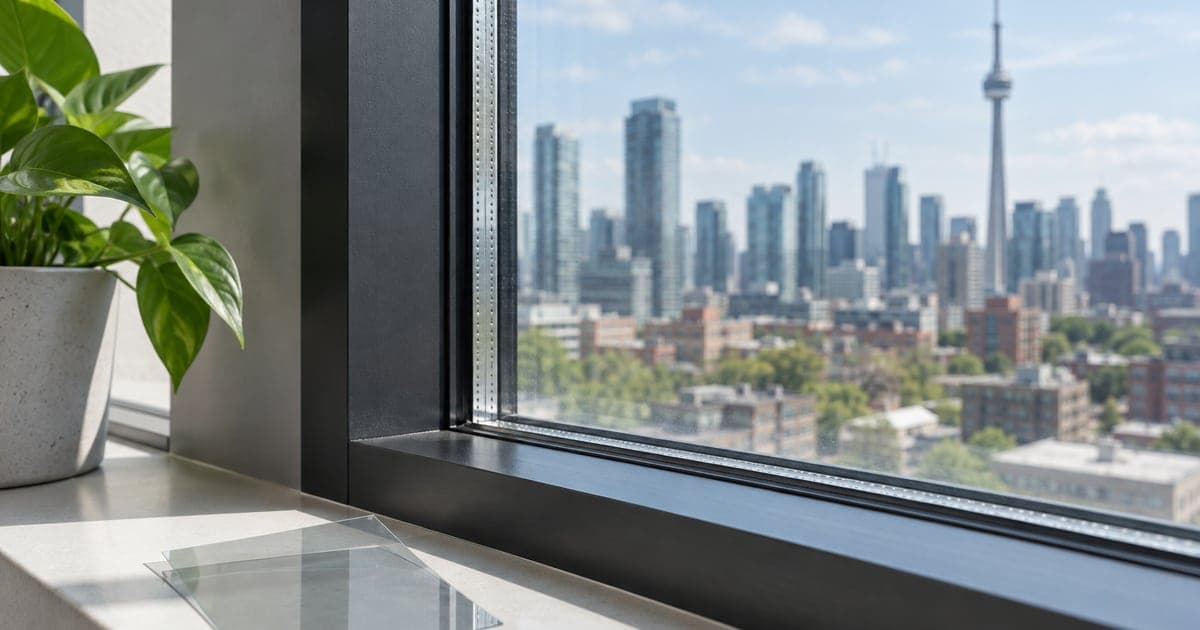
Illustrative editorial image; not a Clear Guard customer property or performance test.
Separate the product specification from the view
The commercial solar film options provide a starting point for product selection. Ask for the exact film name and code, then retain the relevant specification sheet.
XPEL publishes architectural product sheets and separate film-to-glass resources. The proposed product needs a compatibility review for the actual glazing. A sample that looks right does not establish that approval. XPEL product specifications.
| Decision | Evidence to review | Limit |
|---|---|---|
| UV performance | Exact product specification and its measurement basis | Does not predict merchandise lifespan |
| Daylight transmission | Published visible light transmission, or VLT | Does not fully describe perceived room brightness |
| Storefront appearance | Physical sample under normal display lighting | Applies to the conditions observed |
| Glazing suitability | Product-specific review of the existing glass | Cannot be decided by colour alone |
The visible light transmission comparison helps explain the optical figures. Check the stated test glass when comparing products. A darker appearance is not a complete specification, and a clear-looking finish does not establish its UV performance.
Include your display priorities when you request a retail solar-film quote. Clear Guard reviews the glazing scope and appearance requirements by phone before arranging a site assessment.
Review the sample from the shopper's position
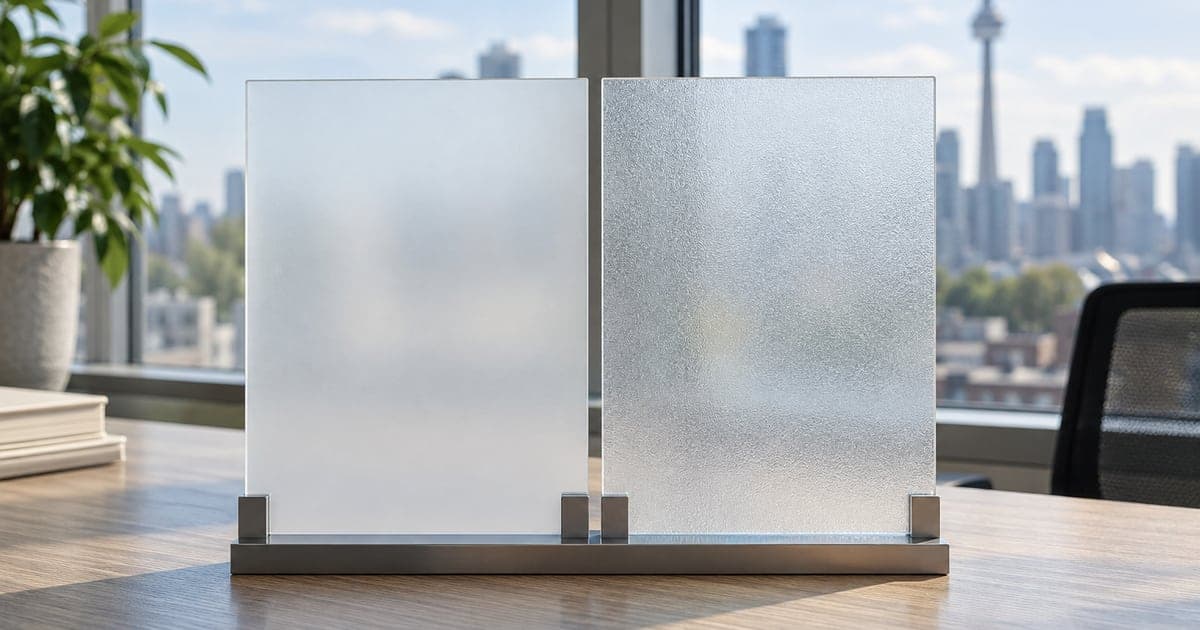
Inspect the proposed sample from inside and from the pavement with the usual display lights on. Look at the merchandise you actually sell. Decide whether its colour, detail and overall presentation remain acceptable to the person approving the display.
Check more than the spot directly in front of the pane. Include the approach shoppers normally take and any important views along the storefront. Record the lighting and viewpoints used, including relevant conditions you could not review.
Use this sample checklist before approving the finish:
- Record the exact product name and code.
- Review merchandise visibility from the pavement.
- Switch on the normal display lighting.
- Have the responsible decision-maker review tint and reflections.
- Save the product sheet and its measurement qualifications.
- Confirm that glazing suitability has been reviewed separately.
A photograph can record the layout and sample location. It cannot establish UV transmission or predict fading. Keep photographs alongside written observations rather than treating them as a product test.
Plan display controls alongside film
Consider whether sensitive stock belongs farther from direct sun or should spend less time in the display. Review lighting with the person responsible for its design. These are options to investigate, not promises of a particular reduction in damage.
If the premises are leased, establish who approves changes to the storefront's appearance. Include existing film and available glazing records in the discussion. The commercial quote checklist helps connect product selection to access, preparation and approvals.
Keep display objectives separate from other property requirements. If forced-entry resistance is also needed, request a separate storefront security assessment. An ordinary solar-film specification does not establish that protection.
Frequently asked questions
Does UV window film stop merchandise from fading?
No. Visible light exposure and material sensitivity still matter. Evaluate the exact product's UV specification alongside your display practices, and avoid treating it as a guarantee of stock condition or lifespan.
Will retail window film change how products look from outside?
It can change the appearance through the glass. Review the proposed sample under normal display lighting and from shopper viewpoints. A website image cannot establish whether the finish meets your merchandising requirements.
Can clear-looking window film reduce UV exposure?
Yes, some clear-looking products have documented UV performance. Check the exact product sheet rather than judging by appearance; XPEL's specification directory lists the current architectural product documents. Do not assume every solar or decorative film has the same specification.
Request a retail solar-film review
Explore commercial window film services when preparing the scope for your property.
Send your Southern Ontario location, approximate glazing scope and the merchandise or display areas you want reviewed. Request a retail solar-film quote. We discuss the project before arranging an assessment and written quote.