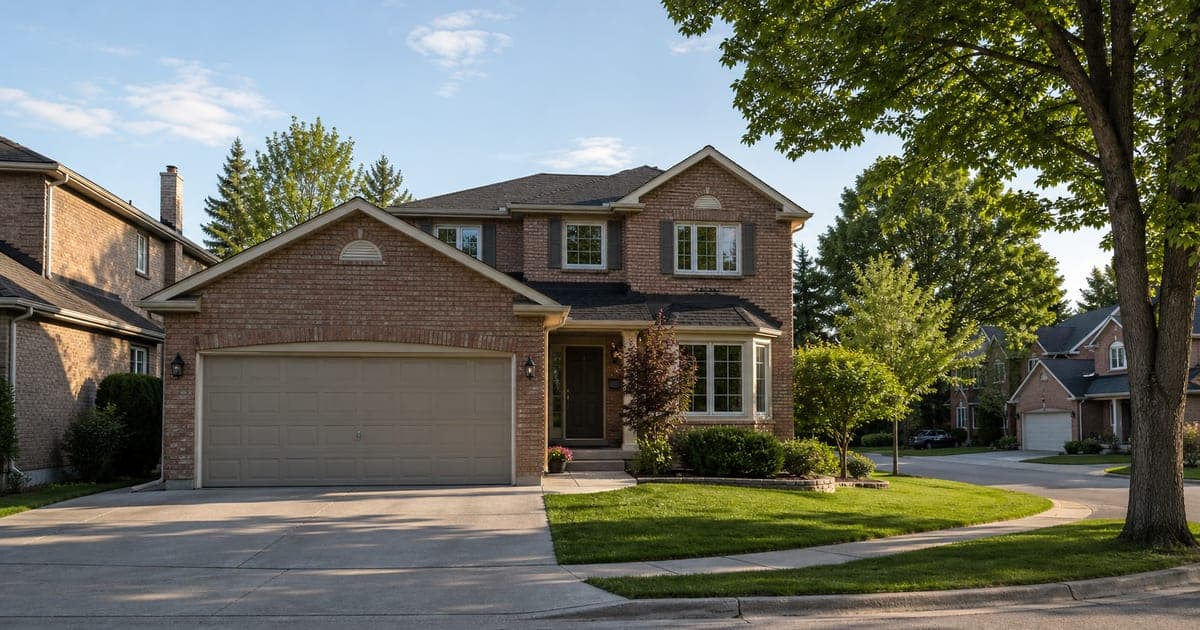
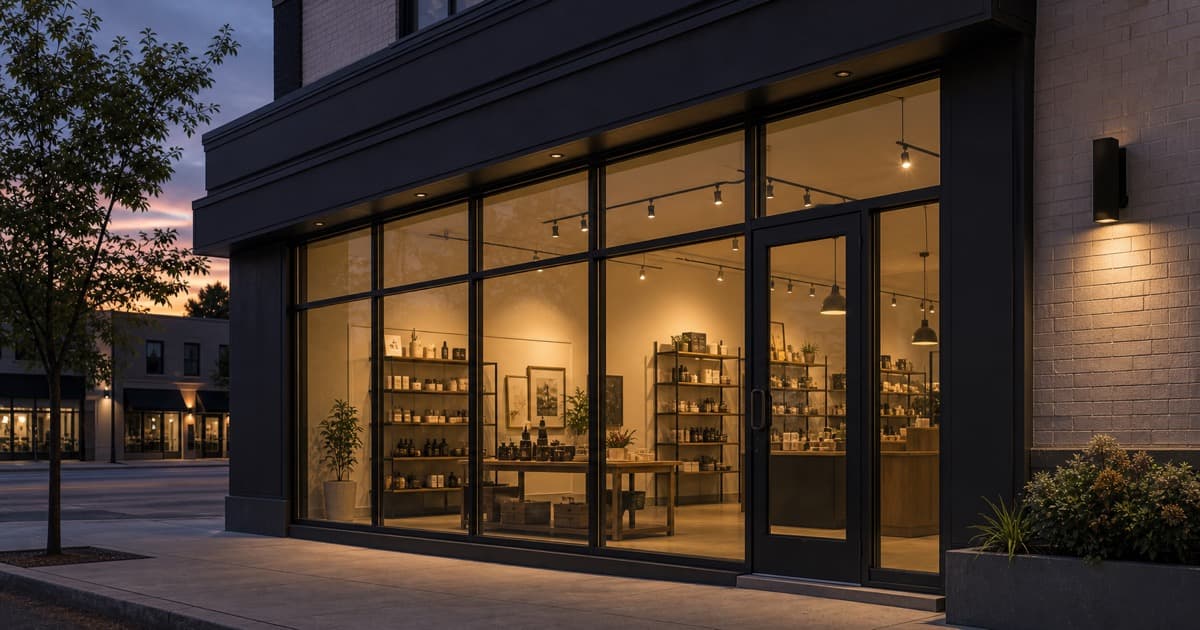
Storefront glass has two jobs that pull in opposite directions. It should make the business visible during the day, but it still has to remain part of the building after closing.
Security film does not make display glazing unbreakable. It is designed to retain fractured glass and make the pane harder to clear. This guide explains where that helps, what it does not solve, and what a retailer should inspect before asking for a quote.
Why storefront glass is the most exposed part of a shop
Display glazing is built to be seen through. Large panes put stock and the interior fit-out on view from the street, which is exactly what the window is meant to do.
It is also the exposure. The same pane that sells during the day sits in a dark, empty building after close. The merchandise is still visible, the street is quiet, and nobody is inside. The visibility that makes a storefront work also leaves a clear target overnight.
None of this is unusual or alarming. It is simply how street-facing retail glass is built. Recognizing it is the first step in deciding what, if anything, to do about the front pane.
What a smash-and-grab attempt actually relies on
A smash-and-grab depends on creating a usable path through the glazing quickly. Breaking the glass is only the first step; the damaged pane still has to be cleared enough to enter or reach merchandise.
That tells you the variable that matters most: how long the glass holds. Ordinary storefront glazing is made to be seen through, not to resist a deliberate impact. When it breaks, it tends to come away from the frame and clear the path, which is the exact outcome a fast entry needs.
So the useful question is not whether the glass can be broken. Most glass can. The question is whether breaking it actually opens a way in quickly — or whether it leaves a cracked, sagging pane still in the frame. That difference is where security film does its work.
What security film changes: glass that stays in the frame
Security film is a clear layer bonded to compatible existing glass. XPEL describes its safety and security film as designed to hold glass fragments together and delay forced entry. The glass can still crack, but the film changes how readily the fragments separate.
The practical goal is additional resistance after impact. Results depend on the glass, frame, film selection, and installation, so Clear Guard does not promise a universal delay time or force rating.
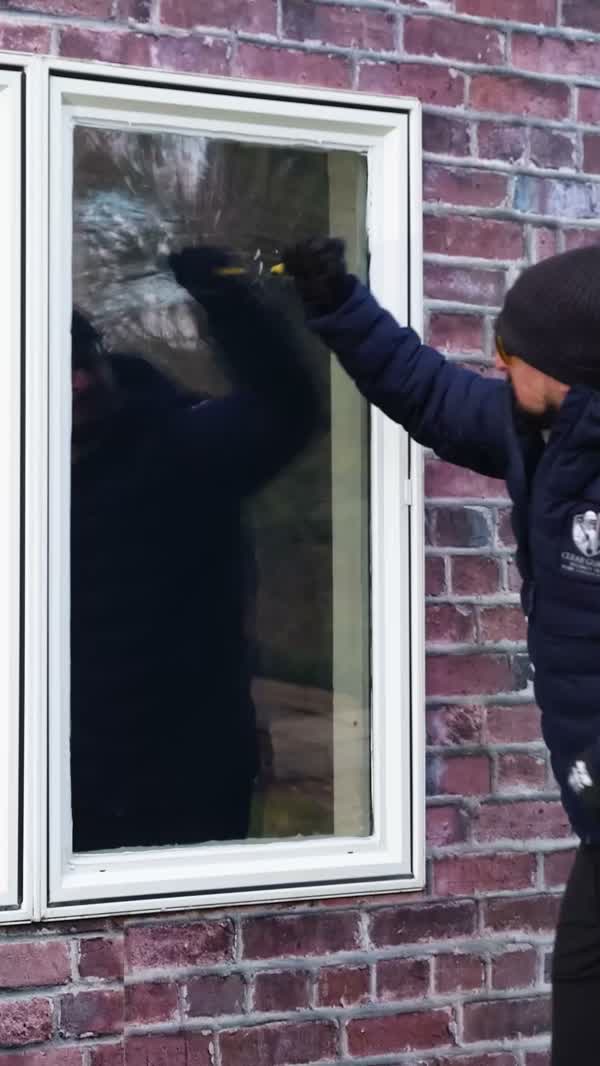
It is worth being precise about what this is and is not. Film does not stop a determined effort, and it is not a guarantee against entry. What it does is add resistance and delay at the exact moment a smash-and-grab is counting on neither. You can read the full mechanism in How Security Window Film Works: A Visual Guide, and see the product itself on our security window film page.
If you are weighing this for your own storefront, a Clear Guard technician can inspect the front glass and explain where the real exposure sits. The on-site assessment is free and ends with a written quote.
Delay and noise: why that matters when the shop is empty
A storefront's after-hours weakness is that nobody is there. There is no one inside to respond, and the building is dark. So the value of film is not that it makes the glass unbreakable. It is that it forces delay and noise into an attempt that depends on having neither.
A filmed pane that remains together requires more work to clear than glass that falls away. That additional work can create delay and noise. It does not guarantee that an attempt will stop, and it should sit alongside appropriate doors, lighting, alarms, cameras, and operating procedures.
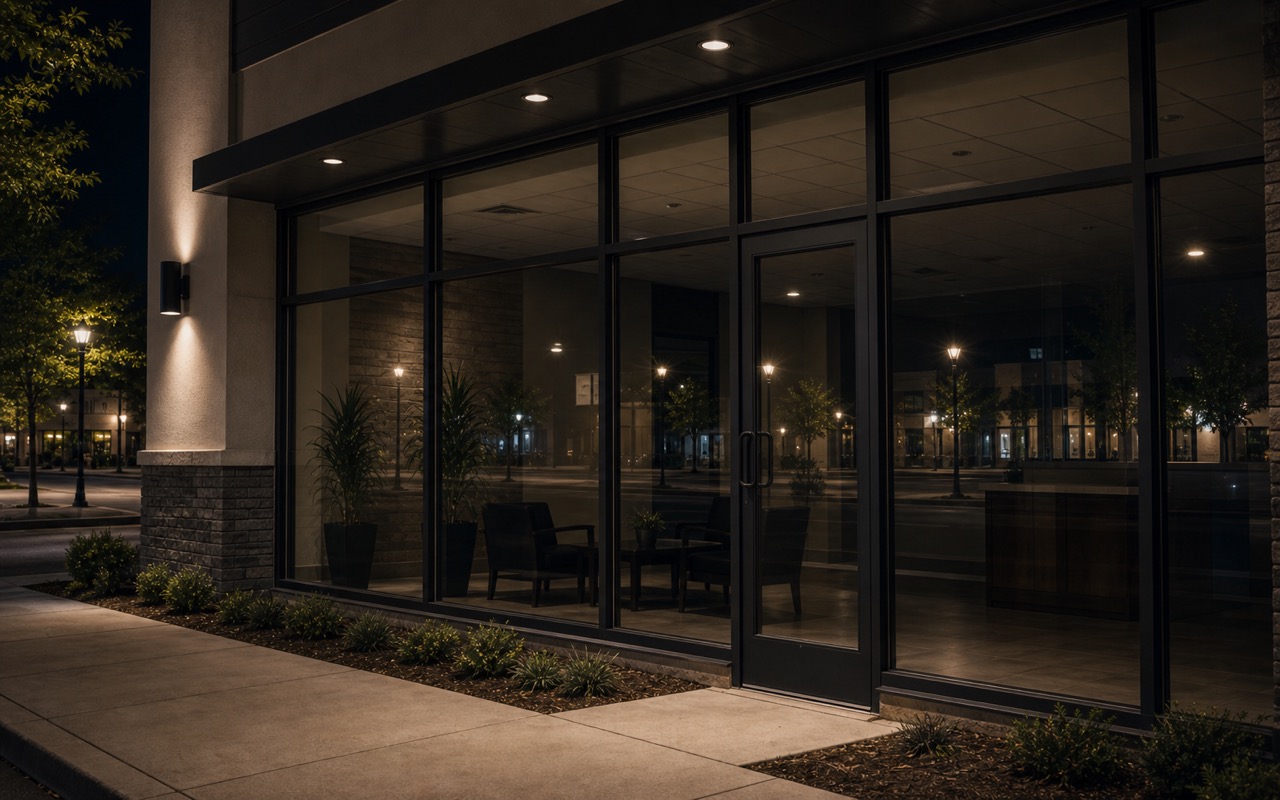
We make this point the same way for homes and shops alike, because it is the truthful one. Does Security Window Film Actually Stop Break-Ins? lays out the full "delay, not prevention" case if you want to weigh it before booking anything.
Film keeps the display: clear, reversible, no bars
For many retailers, the appearance of the front glass is part of the business. Bars, grilles, and roll-shutters change that appearance and may interfere with a display.
Security film does not force that trade-off. It is applied to the glass you already own and is nearly invisible once cured, so the window display still does its job from the street. There are no bars, no shutters, and no change to how the storefront reads at night or during the day. For a retailer whose glass is a sales tool, that matters as much as the security itself.
It is also a retrofit. Film goes onto your existing panes, with no need to replace the glazing. It can be removed later if you ever need to. The same logic applies to large residential glass, which is why we cover it for homes in Patio Door Security in the GTA. If you are comparing approaches directly, Security Window Film vs. Window Bars walks through the look, the egress questions, and the trade-offs side by side. Qualifying installations also carry manufacturer-backed coverage, which you can read about on our warranty page.
Where this fits in a wider storefront plan
Front glass is one layer, not the whole plan. Film on the display panes addresses the most visible after-hours exposure, but a storefront also has doors, and a door is a different problem with a different answer. On the door side, ARX Guard door fortification adds resistance at the frame — the part of an entry that gets overlooked when all the attention is on the glass.
The commercial security overview explains how glass and doors fit into the wider property plan.
We assess storefronts across the GTA, including Toronto and Mississauga. The front glass is usually the right place to start, because it is the layer a smash-and-grab is built to exploit.
Frequently asked questions
What does security film change about a smash-and-grab attempt? A smash-and-grab requires the damaged glass to be cleared enough to create access. Security film is designed to retain fractured glass, adding resistance while someone tries to clear the pane. It buys time; it does not guarantee prevention.
Will security film hide my window display? No. Clear security film is applied to the existing glass and is nearly invisible once cured, so the display still shows from the street. Unlike bars or shutters, it does not change how the storefront looks — which is why retailers who rely on their glass tend to prefer it.
Can security film be installed on existing storefront glass? Yes. Film is a retrofit applied to glass you already own, with no need to replace the glazing. A Clear Guard technician assesses the glass during a free on-site visit and gives a written quote for the panes that carry the most exposure.