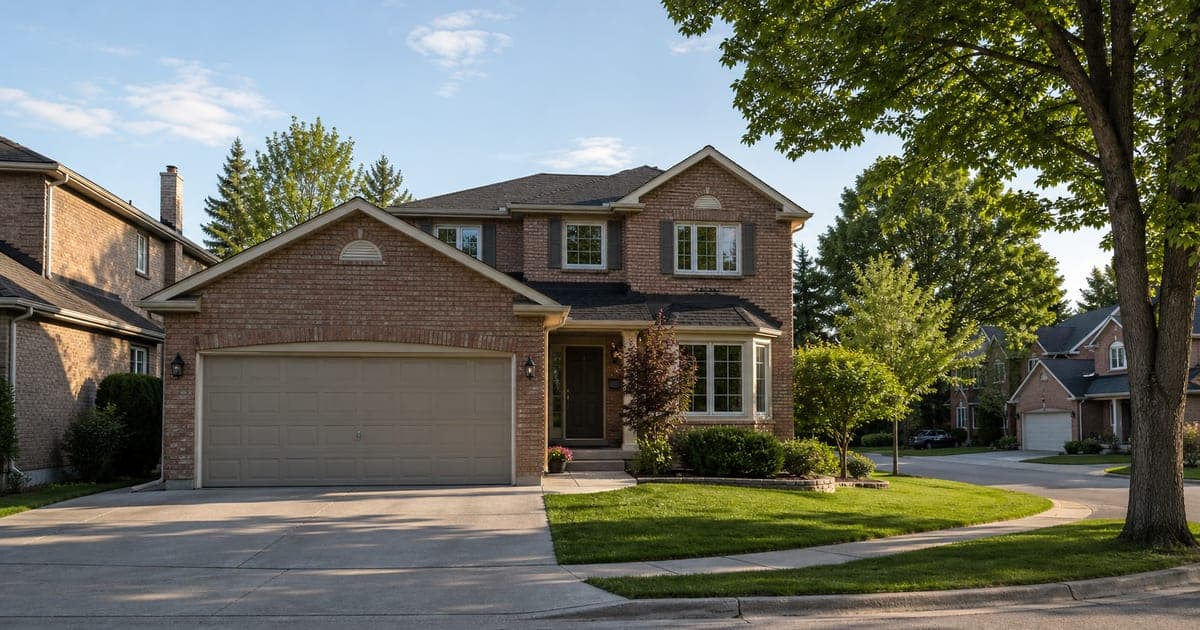
The question “which windows need security film?” does not have one answer for every home. You may not need the same treatment on every pane.
The right scope depends on the glass, frame, access, sightlines, and what sits beside the window.
This guide helps you prepare for an assessment. It does not replace a glass-and-frame review at the property.
How to decide which windows need security film
Walk through the home without striking glass or removing hardware. For each pane, note five things.
- Can someone reach it from the ground, a deck, a porch roof, or an attached structure?
- Is it visible from the street or nearby homes?
- Is it close enough to a lock or handle for a reach-through attempt?
- What glass and frame system is present?
- Would film interfere with how the window or door is used?
These factors are more useful than a universal list. A second-floor window above a low roof may be more accessible than a screened ground-floor pane at the front.
How security window film works explains the impact behaviour. This guide focuses on where to begin the scope discussion.
Write down the reason each pane is being considered. A clear reason makes targeted and broader quotes easier to compare.
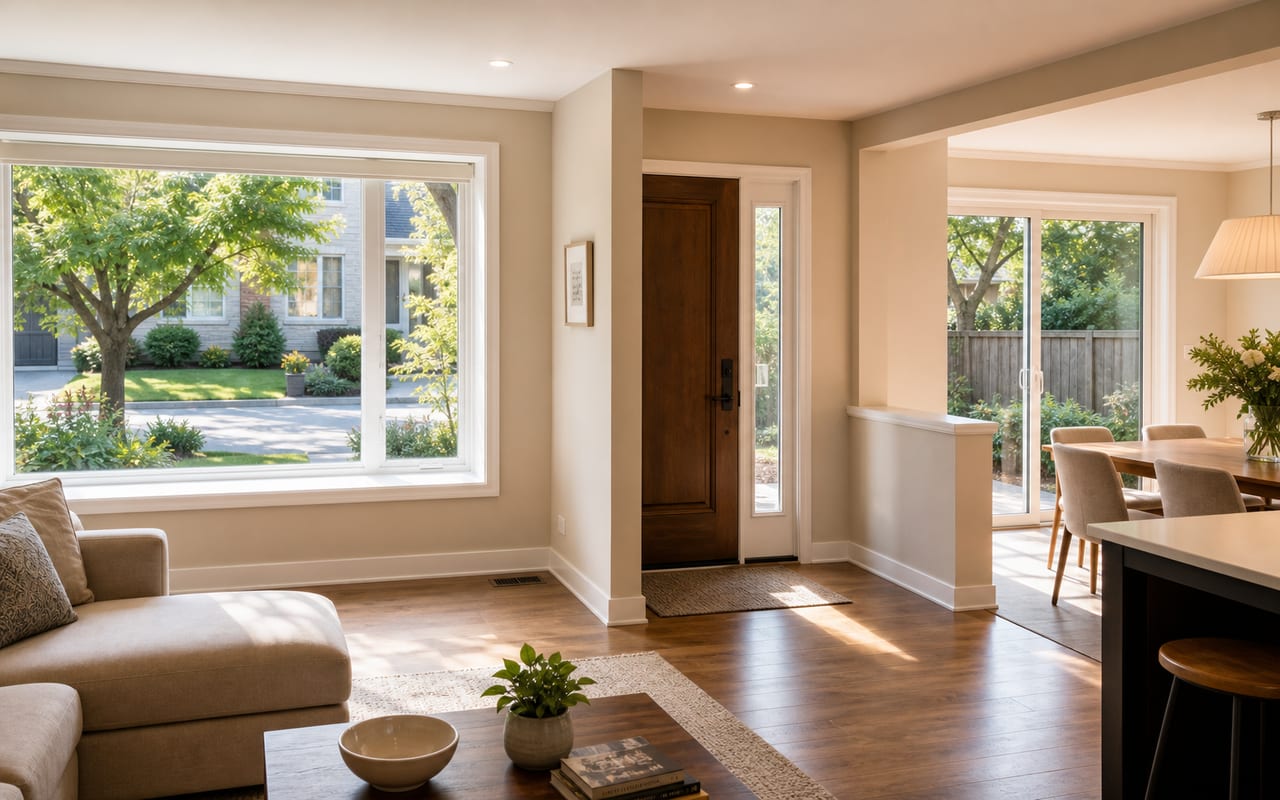
Priority 1: glass beside a door lock
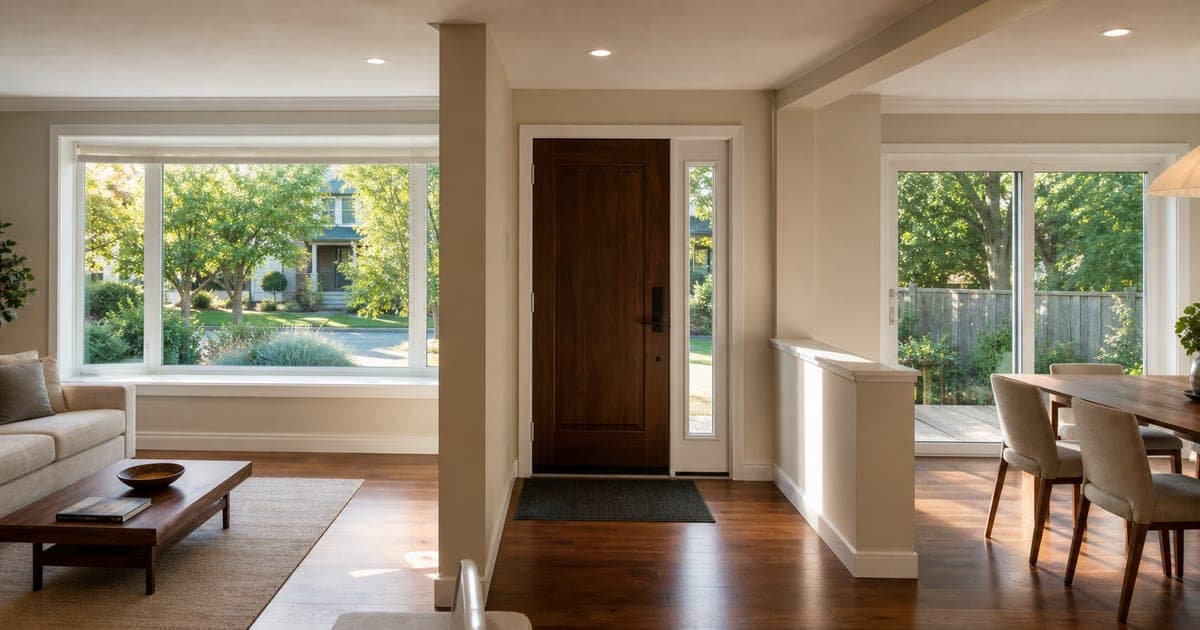
A sidelight or glazed door panel can be part of the entry system when it sits within reach of a lock.
Review the glass, lock position, door frame, and strike area together. Treating one part does not correct a weakness in another.
Film is intended to help broken glass remain together and resist being cleared quickly. It does not make the pane unbreakable or guarantee that a lock cannot be reached.
Our guide to sidelight glass on heritage front doors shows why nearby hardware changes the priority.
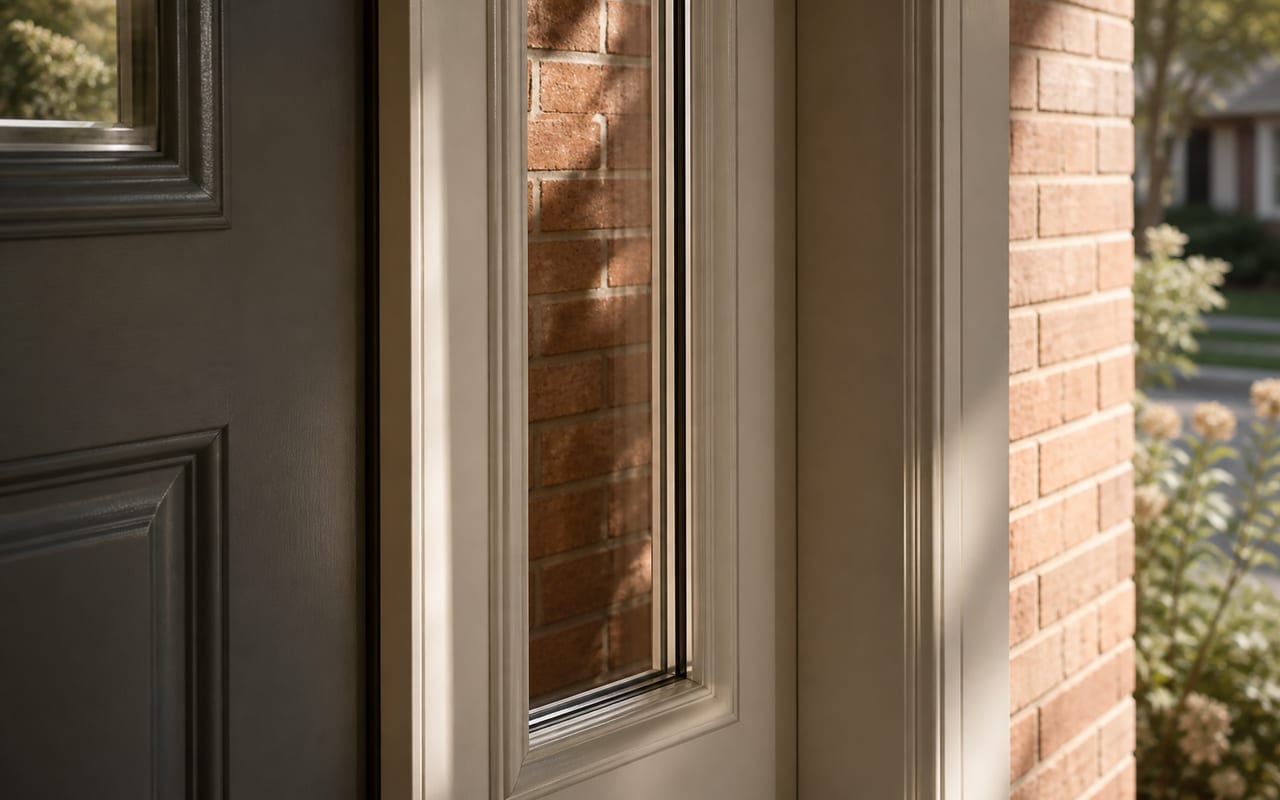
Priority 2: reachable lower and basement windows
Windows at or near grade are easy to inspect from outside. Their priority rises when fences, plants, window wells, or a side-yard layout reduce visibility.
Do not assume basement glass is always old, thin, or hidden. Look at the actual pane, frame, access, and condition.
Our basement and grade-level window guide covers the details. The assessment confirms whether film is suitable for each unit.
A Clear Guard technician can map the reachable panes with you. The visit can turn those observations into a pane-specific scope and quote.
Priority 3: patio and sliding-door glass
Patio doors often combine a large glass area with separate latch and track concerns. Film addresses the glass; it does not repair the latch, rollers, track, or frame.
Review both fixed and moving panels, plus any nearby door hardware. Check that the door closes and locks normally before adding another layer to the plan.
The patio door security guide explains how glass and door hardware fit into one assessment.
Priority 4: windows reached from another structure
Height alone does not settle the question. A deck, porch roof, lower addition, garage roof, or sturdy landscape feature may make an upper window reachable.
Walk the exterior and note practical access paths. Do not climb or test them.
Upper windows without a realistic access path may sit lower in a forced-entry plan. They can still need a separate safety, solar, privacy, or glazing review.
Decide between targeted and broader coverage
A targeted plan can focus on the panes with the clearest access or hardware concerns. Broader coverage can simplify maintenance and keep the same system across a floor or elevation.
Neither approach should be chosen from a template. Frame condition, glass type, attachment method, site access, and the homeowner's priorities all matter.
Targeted coverage may suit a homeowner with a clearly defined first phase. It also makes the reason for every included pane easy to explain.
Broader coverage may suit a floor or elevation with similar access conditions. It can also reduce future disruption when several panes share one work area.
Neither scope is automatically better. Compare what each quote includes, which conditions were verified, and what work is excluded.
For accessible panes that need film, Clear Guard's primary assessed interior recommendation is 14 mil security film with suitable perimeter attachment when the exact glass, frame, product, and installation conditions support it.
Exterior Security Clear 7 mil is a separate exterior, surface-specific product. It should be specified separately; do not assume that applying multiple films to one pane is warranty-compatible without written manufacturer approval for the exact configuration.
Where privacy is required, ask the assessor to identify the exact frosted product and the evidence supporting its security use. A privacy finish alone does not establish security-film performance. The 8 mil interior film remains a selective option rather than the default residential specification.
The film thickness and installation guide explains the factors behind a pane-specific recommendation. Ask the assessor to identify the exact product, installation surface, and attachment for each pane.
The window-film product page explains Clear Guard's service. The assessment determines the suitable specification for your windows.
Compare quotes pane by pane
A total price does not reveal whether two quotes cover the same work. Compare the named panes, film system, edges, attachment, and preparation.
Ask whether fixed and moving patio panels are both included. Confirm whether sidelights, basement windows, and door glass appear as separate line items.
Also ask what site conditions could change the final scope. Hidden damage, failed seals, or unsuitable glass may require a different next step.
A useful quote should make exclusions visible. It should not leave you guessing whether an upper pane or difficult access point was overlooked.
Use the same list when reviewing a targeted quote and a broader quote. That keeps the comparison about scope instead of assumptions.
What the assessment should produce
A useful assessment creates a pane-by-pane scope. It should identify what is included, what can wait, and why.
It should also record the glass and frame conditions that affect installation. Film performance depends on the complete glazing system and attachment, not film thickness alone.
Clear film is designed to preserve a natural view. Appearance can vary with glass, lighting, edges, and installation, so review expectations on the actual windows.
Before approving the work, ask for the final pane list in writing. Keep it with the quote so installation can be checked against it.
Frequently asked questions
Can I start with only the back windows and patio door?
Possibly. A targeted rear scope can make sense when those panes have the clearest access and sightline concerns. The assessment should confirm that another pane is not a higher priority.
Do upper-floor windows ever need security film?
Yes, when a deck, roof, addition, or other structure makes them reachable. Without a practical access path, they may sit below grade-level and lock-adjacent glass in the plan.
Can security film be installed on vinyl-framed windows?
It depends on the complete glazing system. The installer must confirm the glass, frame, seals, condition, and attachment method before recommending a system.
Related reading
- How Security Window Film Works: A Visual Guide
- Basement Windows and Grade-Level Glass
- Patio Door Security
- Sidelight Glass on Heritage Front Doors
- Does Security Window Film Actually Stop Break-Ins?
- Security Film Thickness and Installation-Side Guide
Book a free on-site assessment
Clear Guard will review the doors and glass at your property and provide a written quote. Request your free assessment.