Richmond Hill Home Security: Check the Garage-to-House Door
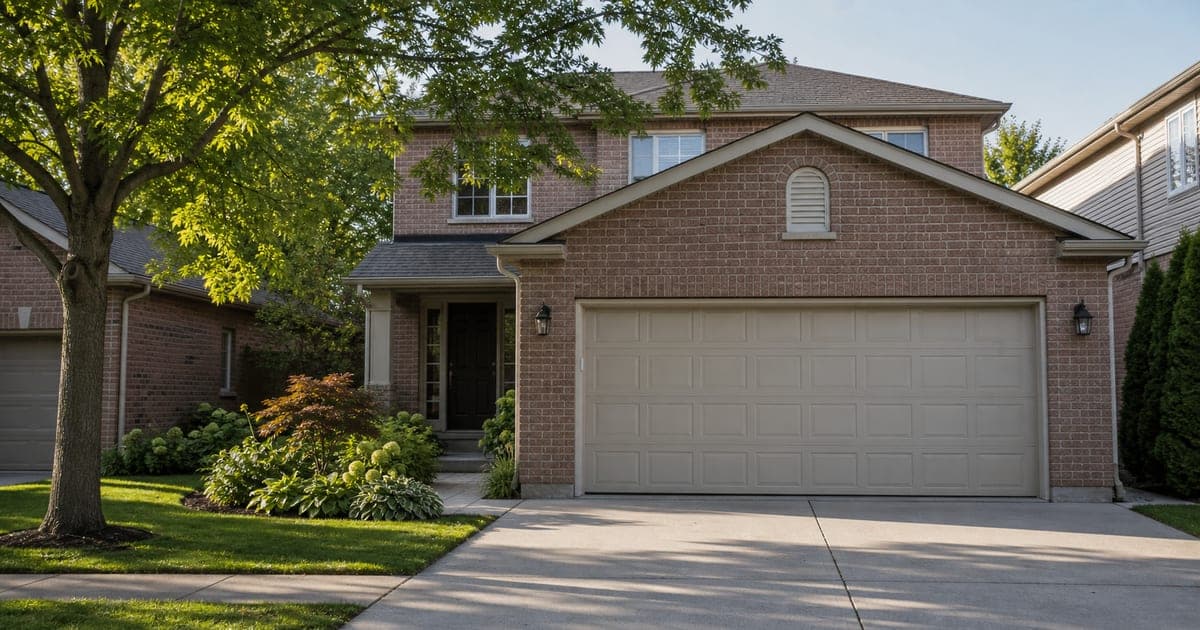
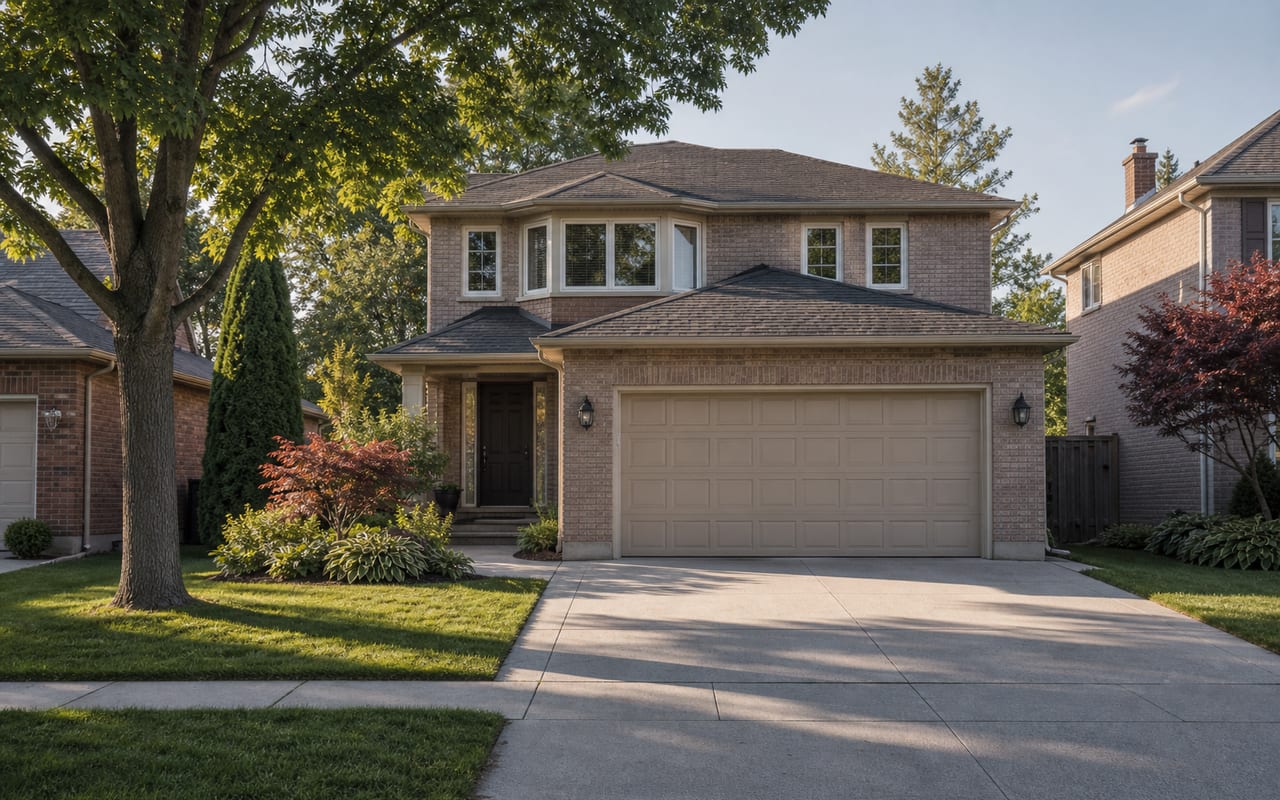
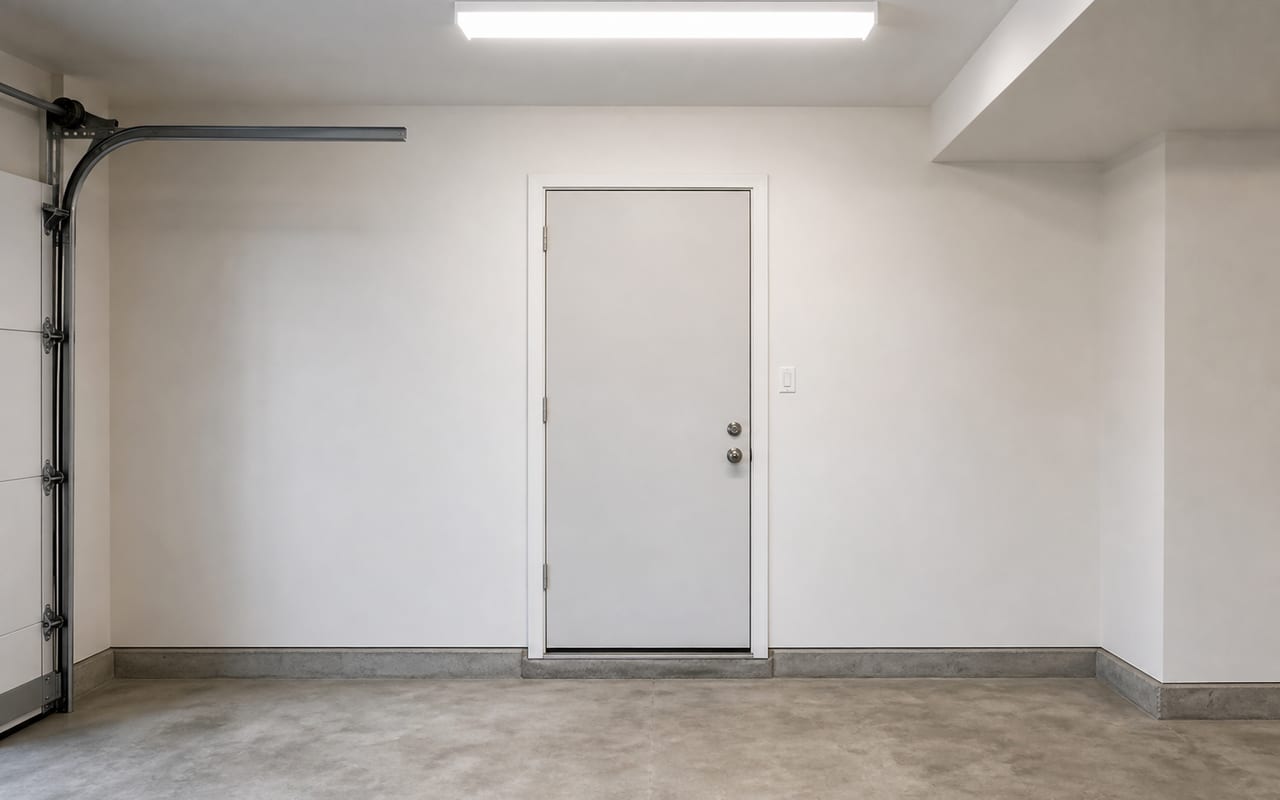
An attached garage creates two boundaries: the overhead garage door and the passage door into the home. A Richmond Hill home security review should inspect both rather than treating the garage as one barrier.
The passage door also has a life-safety job. Security work must preserve that role, so this is not a place for a quick hardware swap based on appearance alone.
Why the garage-to-house door deserves its own review
The overhead door protects the garage from outside access. The passage door protects the living space if the garage is opened, left unsecured, or accessed another way.
That does not make it the weakest door in every house. It makes it an independent boundary that deserves the same deliberate review as the front, side, and rear doors.
Start with how your household uses it. If the garage is the daily entrance, the door may see more wear than the front entry. Closing problems, loose trim, or poor alignment can develop gradually.
Preserve the door's life-safety function
Ontario's Building Code requires a door between an attached garage and the home to be tight-fitting and weatherstripped as a barrier against gases and exhaust fumes. The applicable requirement also calls for a self-closing device.
Do not remove a closer because it feels inconvenient. Do not trim weatherstripping to make a lock easier to turn. If the door does not close and latch reliably, have the condition assessed before adding security hardware.
Existing homes, renovations, and permit histories vary. A qualified building professional or Richmond Hill Building Services should answer code-compliance questions for a specific property.
A safe garage passage-door check
Stand in the garage with the door closed. Look for visible gaps, damaged weatherstripping, rubbing, or a latch that does not fully engage.
Open the door normally and let the self-closing device operate. The door should return to its closed position without being propped open. Do not force the door or adjust the closer during this review.
Next, operate the lock as you normally would. Note stiffness, misalignment, loose trim, or previous repairs around the strike zone.
Finally, look at the hinges and frame for visible damage. Do not remove screws, covers, labels, or hardware. A visual check is enough to decide whether a professional should look more closely.
What door fortification should and should not change
Door fortification should add resistance to the door assembly while preserving normal use and life-safety functions. It should not interfere with closing, latching, weatherstripping, or safe exit from the home.
Clear Guard uses ARX Guard door fortification and selects the approach after inspecting the actual door and frame. We do not publish one fixed hardware recipe because houses and assemblies differ.
The goal is added resistance and delay. No lock or fortification system makes a door impossible to enter.
Read Why Your Front Door Might Be Your Biggest Security Risk for the same assembly-first approach at the main entrance.
Apply the check to the actual Richmond Hill property
Richmond Hill homes vary across Jefferson, Oak Ridges, Crosby, Mill Pond, and other areas. Garage locations, additions, and passage-door arrangements can differ from one property to the next.
Those differences matter more than a neighbourhood label. Review the door that exists, how it is used, and what sits on each side of it.
A complete assessment also checks the front, side, and rear doors. If the garage has exterior windows or a side door, include those entry points in the same walk.
For the wider garage layer, Vehicle Key Storage and Your Garage Door covers remotes, keys, and the overhead door.
Bring these notes to an assessment
| Check | Record | Do not do |
|---|---|---|
| Closing | Whether the door closes on its own | Disable or detach the closer |
| Seal | Visible gaps or damaged weatherstripping | Cut or remove the seal |
| Latch and lock | Smooth operation and full engagement | Force, kick, or pry the door |
| Frame | Loose trim, cracking, or past repairs | Remove covers or hardware |
| Use | How often the household enters here | Assume the garage is already secure |
Visit the Richmond Hill service area or read about door fortification before booking.
Frequently asked questions
Is the garage-to-house door always the weakest door? No. Condition, construction, alignment, and use vary by property. The right approach is to inspect this door as one boundary within the whole home.
Can I remove the self-closing device if it gets in the way? Do not remove it as part of a security upgrade. Ontario's applicable Building Code requirement calls for this door to be self-closing and to act as a barrier against gases and exhaust fumes.
What does a Clear Guard assessment cover in Richmond Hill? The assessment reviews the home's front, side, rear, and garage passage doors. It identifies where added resistance may help and provides a written quote without treating every door as the same.