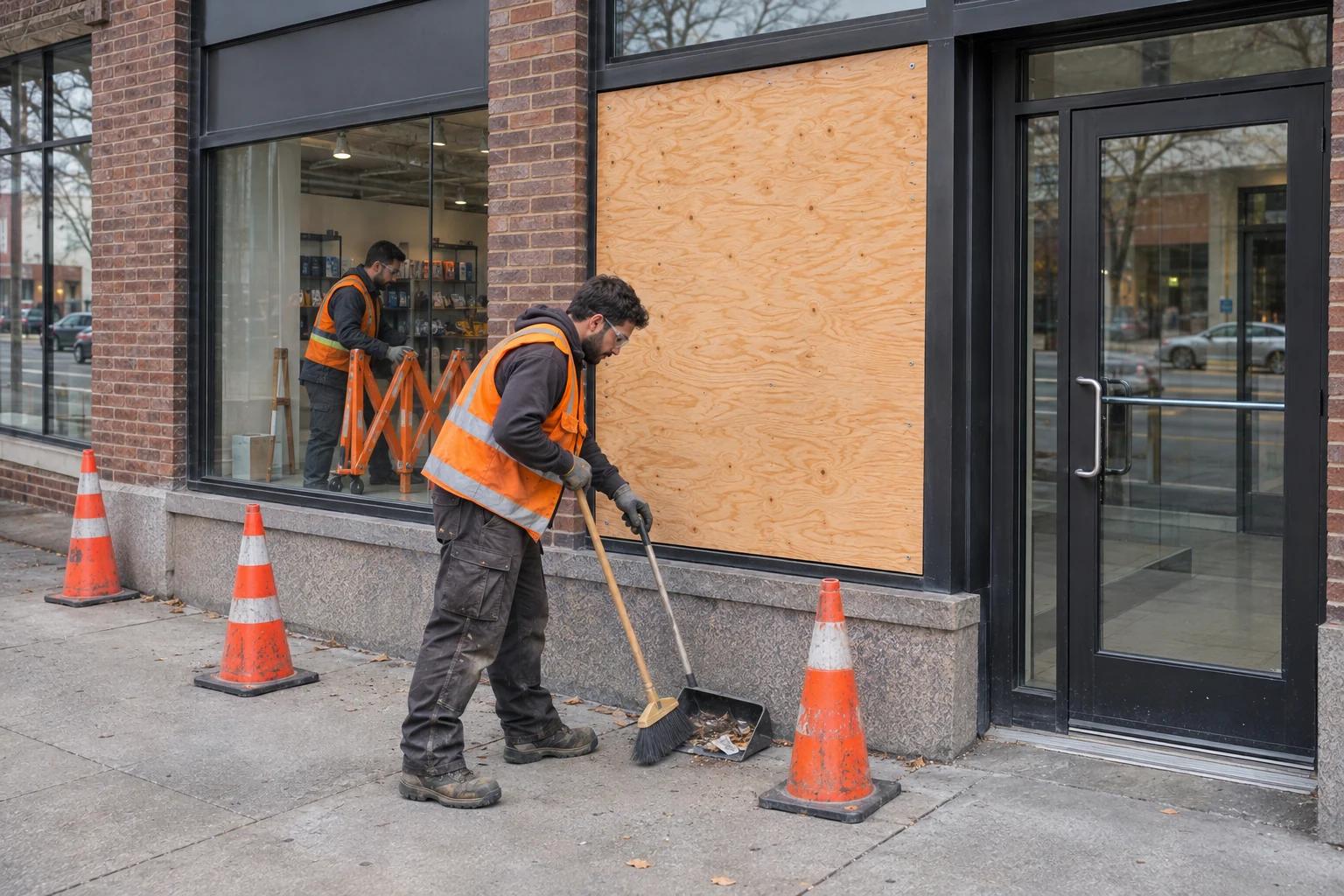
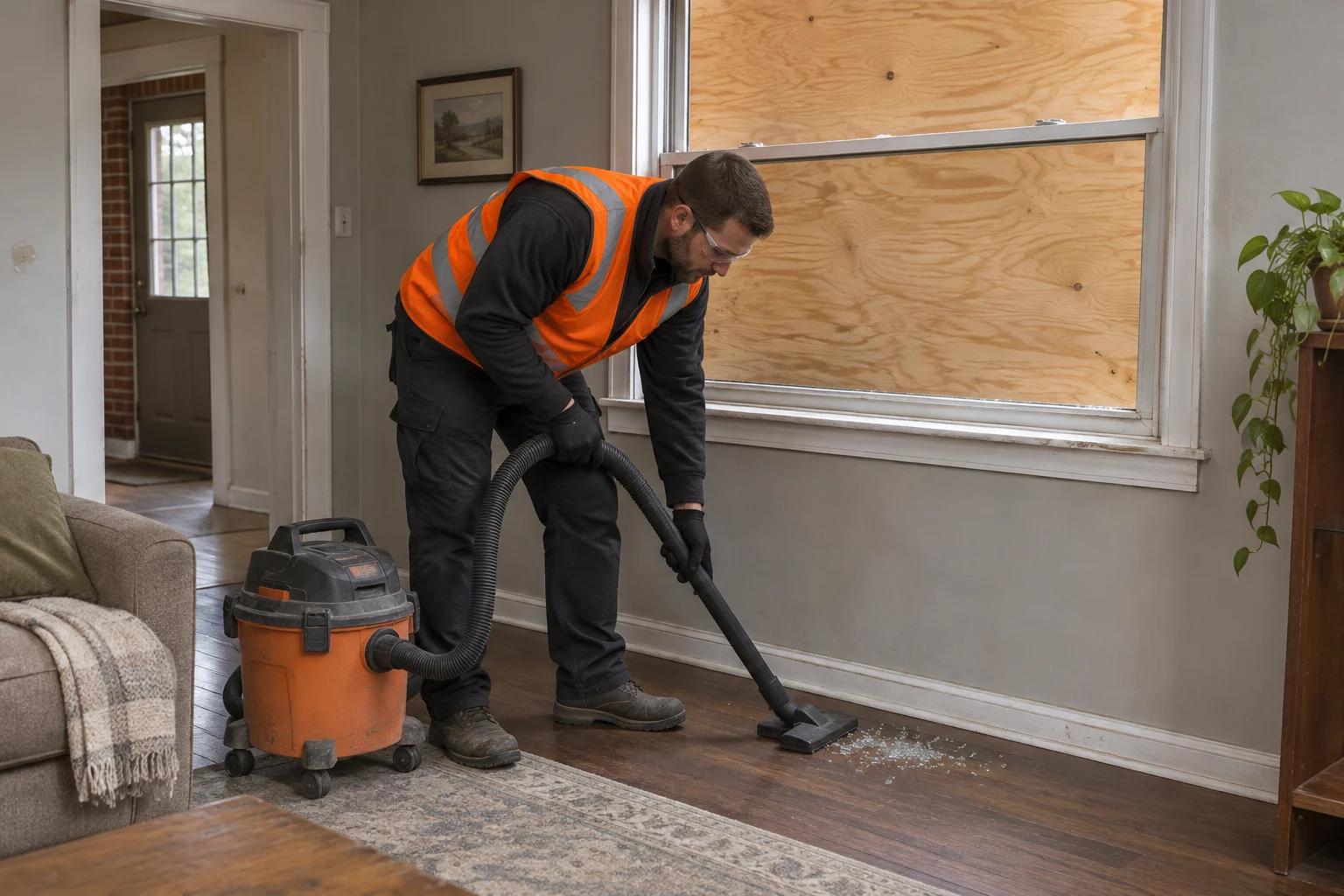
If you arrive home and see a broken window or signs of forced entry, get somewhere safe before deciding what needs repair. Once police have finished with the affected area, you can arrange temporary boarding and the permanent repair.
Stay outside and contact police
If you suspect someone broke in, stay out. Call 911 for a crime in progress or an immediate threat. For a past incident with no immediate danger, call your local police service’s non-emergency line and follow their directions. Leave the affected area undisturbed until police have inspected it. Toronto Police Service break-and-enter guidance
Document damage when police say it is safe
Record when you discovered the damage and keep the police report number. Take photos from a safe position when police say you can. A wide photo shows where the window sits. If it is safe to take a closer photo, show whether the surround is damaged. Keep people and pets away from loose glass.
If you rent, tell your landlord or property manager which window or door is damaged. Confirm who can approve the work and who will meet the crew. Keep job photos and receipts with your incident notes.
Get a quote for temporary window board-up
Give dispatch the property postal code, the number of affected windows, and whether the crew can reach them from the ground. Mention basement window wells and tell dispatch if a damaged window or door is needed as an emergency exit. Include approximate dimensions if you know them.
See the residential emergency window board-up service.
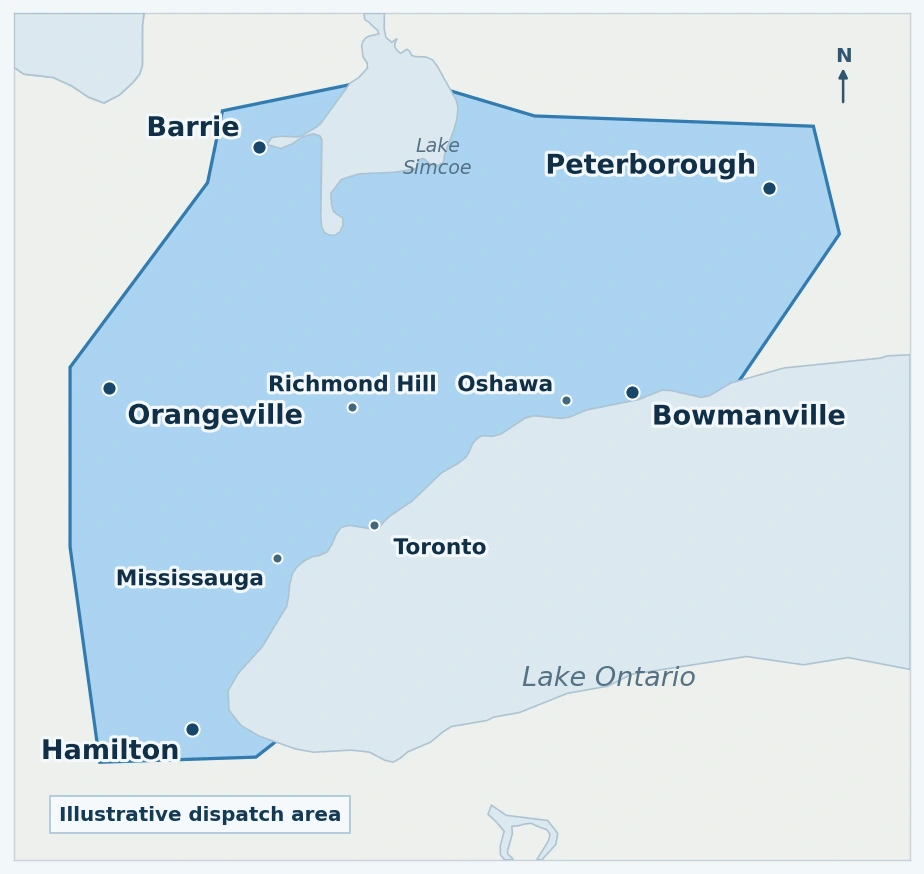
Call or message your postal code to confirm crew availability.
Confirm who will handle the permanent repair
We measure the glass during the board-up visit. Use your preferred glazier or ask Clear Guard for a separate quote to replace the glass and remove the board. If you use your own glazier, confirm who will remove the board and whether the frame needs work. After the repair, you can ask about security film for compatible glass and door fortification for suitable doors. Read our home break-in prevention guide.