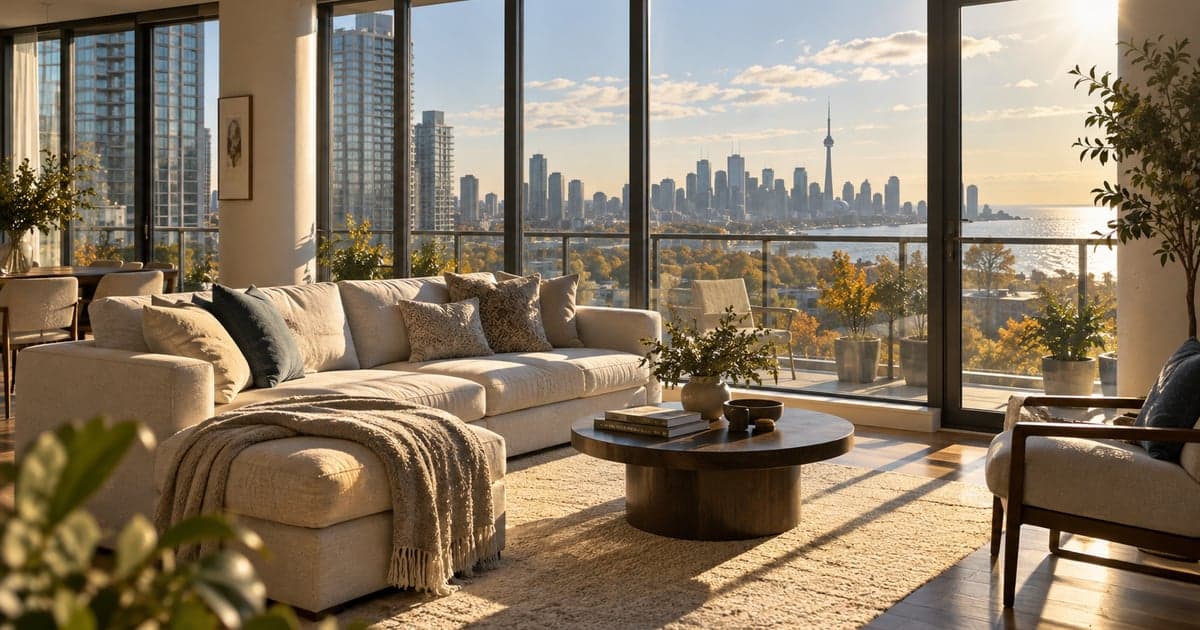
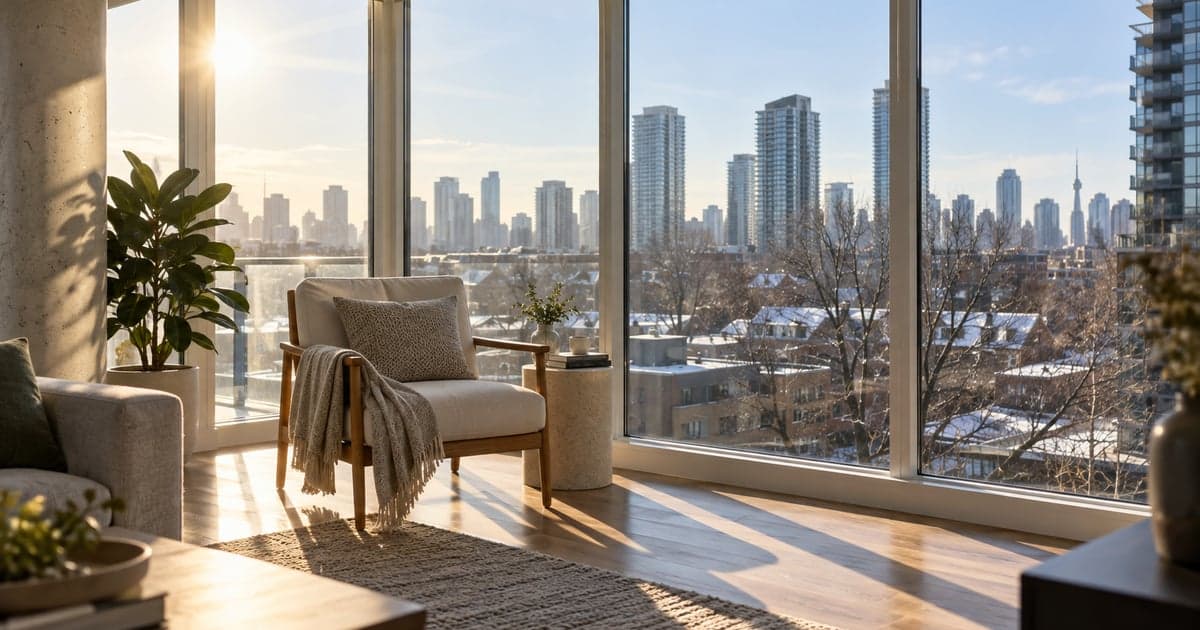
A condo can feel too hot before AC starts, even with snow outside. Afternoon sunlight warms the rooms while the building remains in heating mode.
This is especially frustrating during late winter and early spring. Turning the thermostat down may stop a call for heat. It cannot supply chilled water that the building has not made available.
Start by identifying the heat source and your building's operating arrangement. Then consider solar film as part of a plan for the affected windows.
Sunny windows can add heat during cold weather
Winter sunshine can provide useful heating. The same solar gain can become uncomfortable in a room that is already warm. Window performance and sun exposure both matter. US Department of Energy, windows.
Record when the room heats up. Does discomfort follow sunlight across the floor? Does it persist after dark? Are shaded rooms cooler?
These observations help management distinguish solar gain from excessive heating or a control problem. They do not prove the cause by themselves.
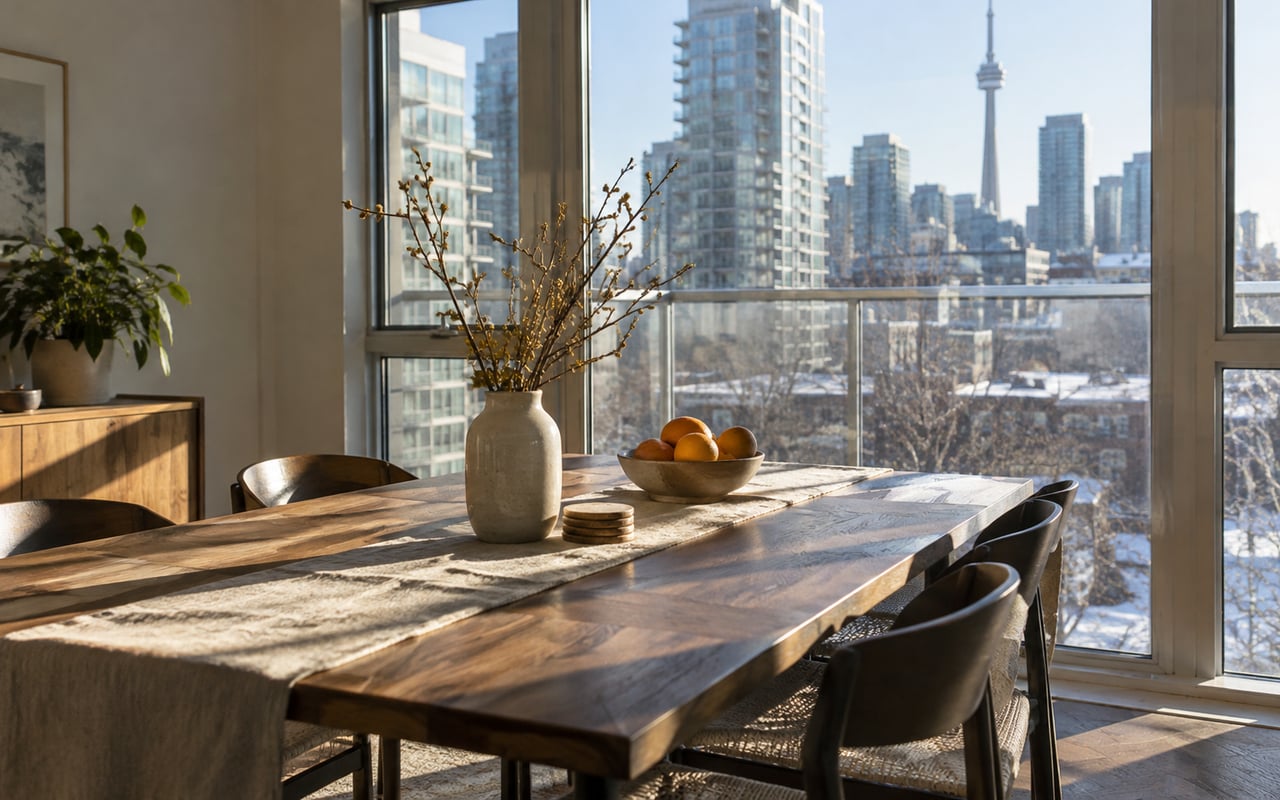
AI-generated editorial illustration.
A condo too hot before AC starts needs a heating review
Ask management to confirm the system type and the planned cooling changeover. Some two-pipe hydronic changeover systems distribute either heated or chilled water through the same circuit. Suite controls depend on what the building supplies. Trane, hydronic changeover distribution, page 5.
Report warm air or hot fan-coil operation when the thermostat is not requesting heat. Ask staff to inspect controls and maintenance conditions.
Also ask whether heat can be reduced during warmer spells. Toronto's current bylaw says heating need not operate when a qualifying rented home already meets the indoor minimum. Toronto By-law 1511-2025.
Avoid applying Toronto's rules to another municipality. Condo owners and tenants should ask management which requirements govern their property.
Prepare for changeover before the first warm spell
Send management a record of affected rooms, uncomfortable times and indoor readings. Include window direction and the thermostat setting.
Ask for the following information:
- The expected cooling start date and how forecasts influence it.
- Whether the building can change modes during unusual weather.
- The process for inspecting overheating suites.
- Approved temporary cooling equipment and installation restrictions.
- Any window-film policy or existing approved products.
Close suitable blinds before direct sunlight reaches the room. Follow building restrictions when using windows or cooling equipment. The City's hot-weather resources provide additional guidance when indoor heat becomes a concern.
Solar film should fit the room throughout the year
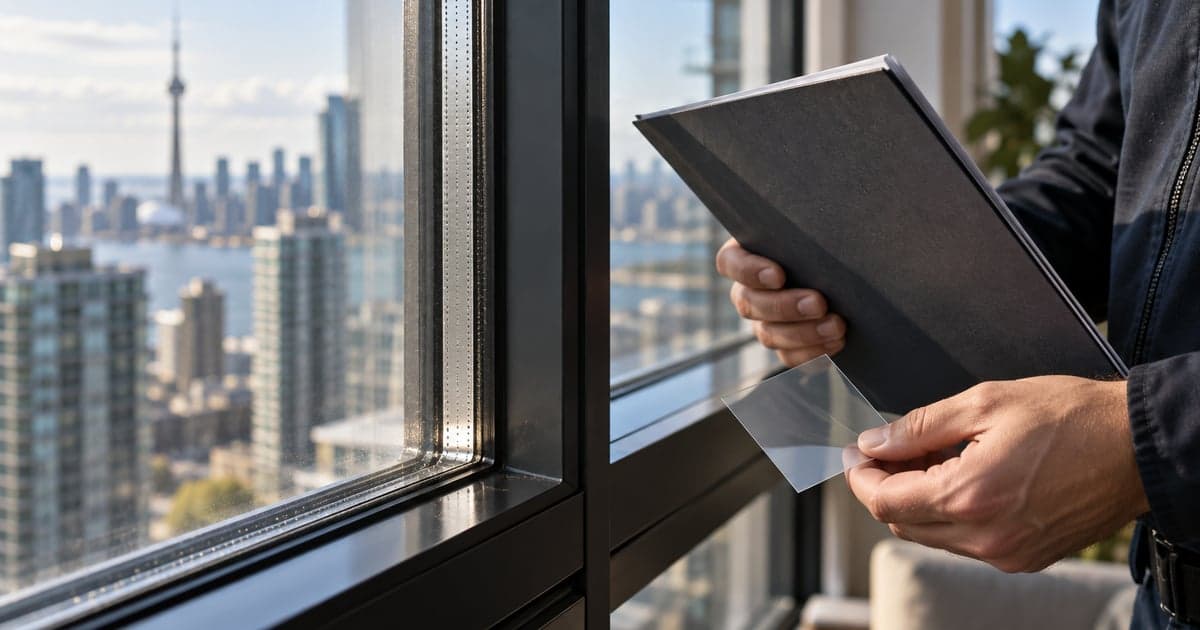
Solar-control film can reduce incoming solar heat while retaining a view through suitable glass. Its effects depend on the product and the existing window. IWFA heat-control guidance.
Do not choose film based only on one unusually warm afternoon. Consider cloudy-day brightness, evening use and rooms that benefit from winter sunshine.
Reducing useful winter solar gain can increase heating demand. That tradeoff matters even when spring comfort is the main reason for installation. LBNL solar-control retrofit research.
Ask for separate information about visible light transmission, heat rejection, reflectivity and glass compatibility. “Blocks UV” alone does not describe the film's solar-heat performance.
Contact Clear Guard with photos and the times your rooms overheat. Include any glass specifications and management restrictions you already have.
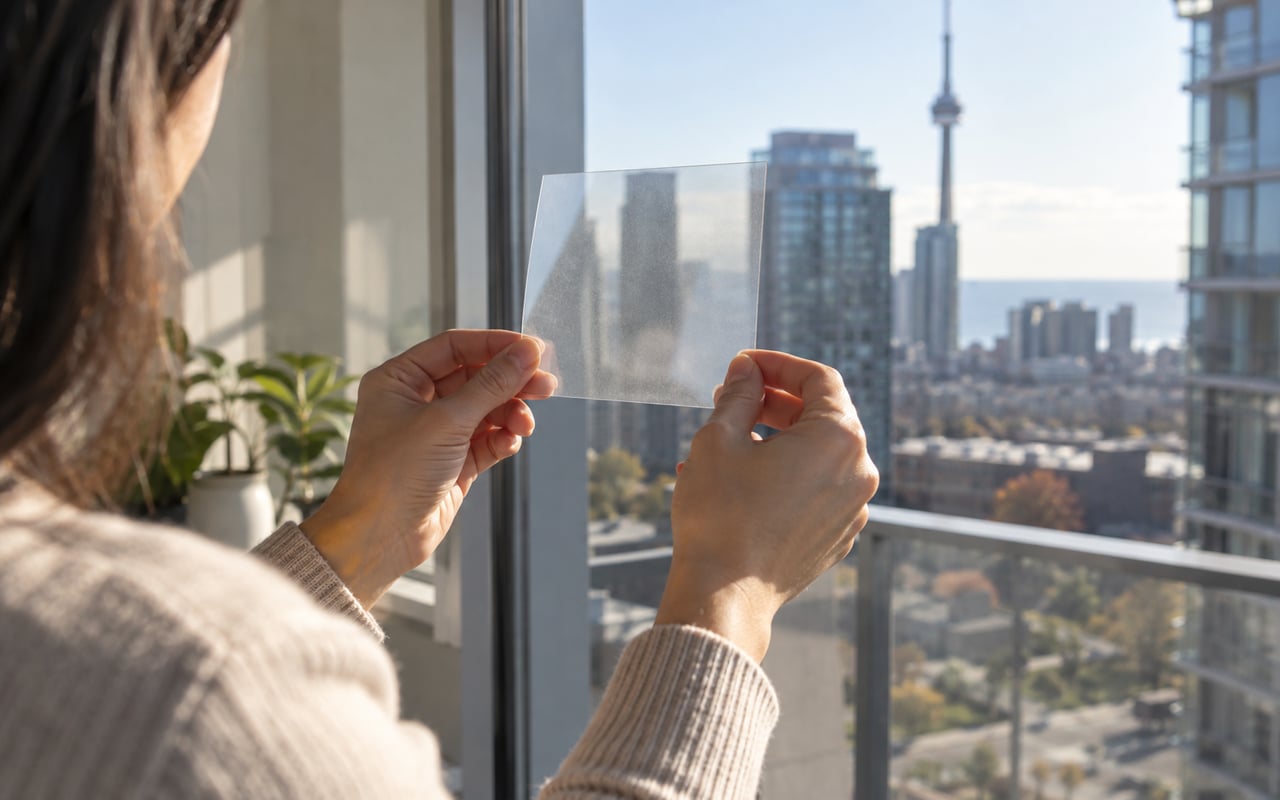
AI-generated editorial illustration; sample appearance is not a product-performance comparison.
Choose an approved sample before installation
Start with a light, low-reflectivity candidate if maintaining daylight and facade appearance are priorities. Review it beside untreated glass during the complaint period.
Then check it on an overcast day and after dark. A finish acceptable in strong sunshine may feel too dark at another time.
Confirm the existing window construction and obtain written management approval. A suitable appearance does not establish technical compatibility.
Frequently asked questions
Why is my condo hot when it is cold outside?
Sunlight and building heating can add heat indoors despite cold outdoor air. Ask management to inspect heating operation and ventilation. Compare the timing of discomfort with direct sun.
Will lowering the thermostat turn on cooling?
Only if cooling is available to your suite and the system supports it. Confirm the building's equipment and operating mode with management.
Will solar film make the condo too cold in winter?
The effect depends on the room, glass, film and heating system. Solar rejection can reduce useful winter heat gain. Review year-round conditions rather than assuming every window needs the same film.
Request a solar-film scope review. Share affected rooms, sunny periods and your priorities for daylight and exterior appearance.
Related reading
Autumn AC shutdown and the 21°C rule · Window compatibility · Tint levels and appearance · Solar-film specifications.