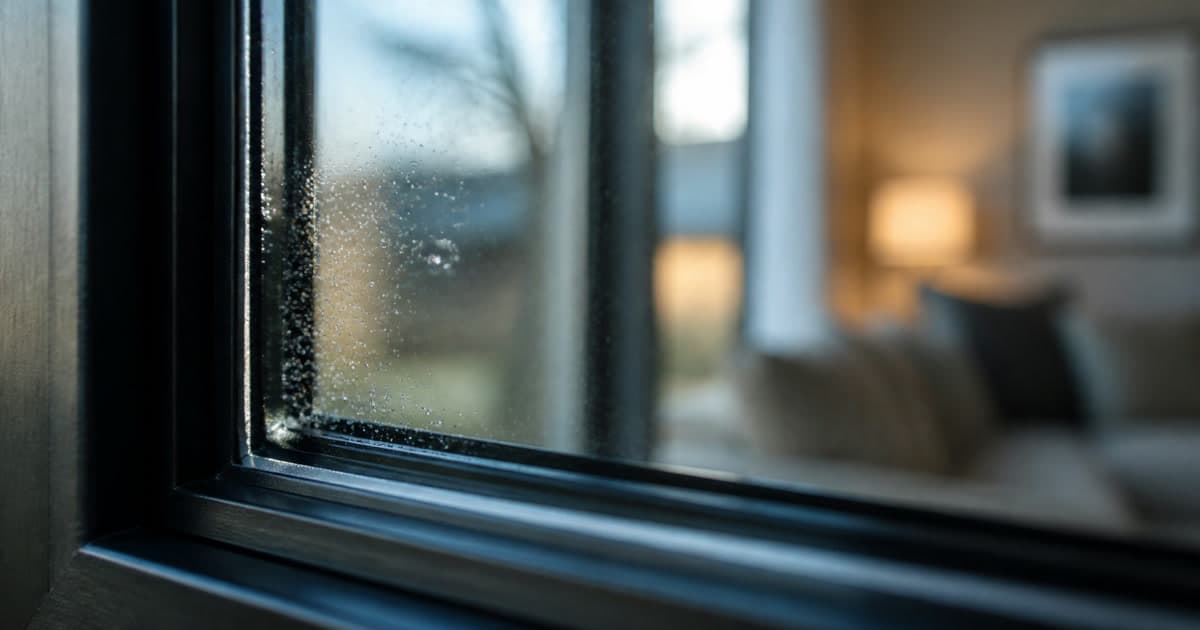
Your security film has been installed. The windows look a little different than they did this morning — maybe you're noticing some small bubbles, a slight haze, or tiny water pockets trapped beneath the film. If that's you, take a breath. Every one of those things is completely normal, and in most cases they'll disappear on their own within a few weeks. Security film curing time is one of the most common questions we get after an installation, and the answer is almost always: give it time.
This post walks you through exactly what happens after installation: why film needs time to cure, how long to expect for different film types, what the bubbles actually are, and how to care for your windows during that first critical period. Understanding the process means you won't worry about something that's working exactly as it should.
Why Security Film Needs Time to Cure
When a film installer applies security film to a window, they use a water-activated adhesive. A thin solution is sprayed onto the glass to allow the film to be positioned correctly before it bonds. Once the film is pressed into place, that moisture doesn't simply evaporate — it has to work its way out from between the film and the glass over time.
The curing process is the film's adhesive gradually bonding fully to the glass surface. During this period, the film may appear slightly cloudy, and you may see small bubbles or water pockets moving around when you touch the glass. That movement is actually a sign the adhesive is still liquid — which is normal at this stage.
Full cure means the adhesive has dried out completely and the film has formed a rigid, permanent bond with the glass. Once cured, the film will be clear, tight, and visually indistinguishable from untreated glass in most conditions.
The full cure window is 60 to 90 days.
That range isn't arbitrary. It reflects the real-world variation in temperature, humidity, ventilation, and film thickness that affects how quickly moisture escapes through the film.
Interior vs. Exterior Film: Different Timelines
Not all film installations are the same, and one of the biggest factors in curing time is whether the film is on the inside or outside of the glass.
Interior Film
Interior film is installed on the inner surface of your windows, protected from wind, rain, and temperature swings. The environment inside most homes and commercial buildings stays relatively stable — warm-ish, moderately humid, consistent. That consistency actually works against fast curing.
Moisture beneath interior film has only one direction to escape: through the film itself, gradually. Without heat and airflow to accelerate the process, interior film typically takes the full 60–90 days to cure completely.
You can help things along by keeping your space at a comfortable temperature and ensuring reasonable airflow — but don't try to "speed up" curing with space heaters pointed at the glass. Extreme heat applied directly can damage the adhesive before it sets properly.
Exterior Film
Exterior film is exposed to the elements, which sounds like a disadvantage but actually speeds up curing in most conditions. Sunlight warms the glass and the film surface, accelerating moisture evaporation. Natural airflow pulls humidity away from the edges of the film.
In warm months — particularly summer installations — exterior film can reach functional cure much faster, sometimes in as little as 30 days under good conditions. In cooler or overcast conditions (late fall or winter installations), exterior film may take as long as interior film, or slightly longer if temperatures are consistently low.
If your installation spanned both interior and exterior windows, don't be surprised if the exterior windows clear up noticeably faster. That's the expected difference.
How Film Type Affects Curing
Film construction and placement can affect how moisture leaves the installation. The written scope should identify every interior and exterior product on your glass.
14 Mil Interior Security Film
Clear Guard’s primary interior film is 14 mil security film. Plan around the full care window on your written instructions rather than assuming a pane is cured because it looks clear.
7 Mil Exterior Security Film
The 7 mil exterior film is a separate exterior-rated product. Most Clear Guard clients receive it with 14 mil interior film, subject to the glass and frame assessment.
Interior and exterior surfaces do not always clear at the same pace. Sun, shade, airflow, temperature, and moisture exposure differ on each side of the pane.
The 12 mil frosted matte security film is meant to remain visually obscured. Its matte appearance is the privacy finish, not trapped installation moisture. We use 8 mil interior film selectively, and its care instructions remain product-specific.
Bubbles: What They Are, and When to Worry
This is the question we get most often after an installation: "There are bubbles in my film — is something wrong?"
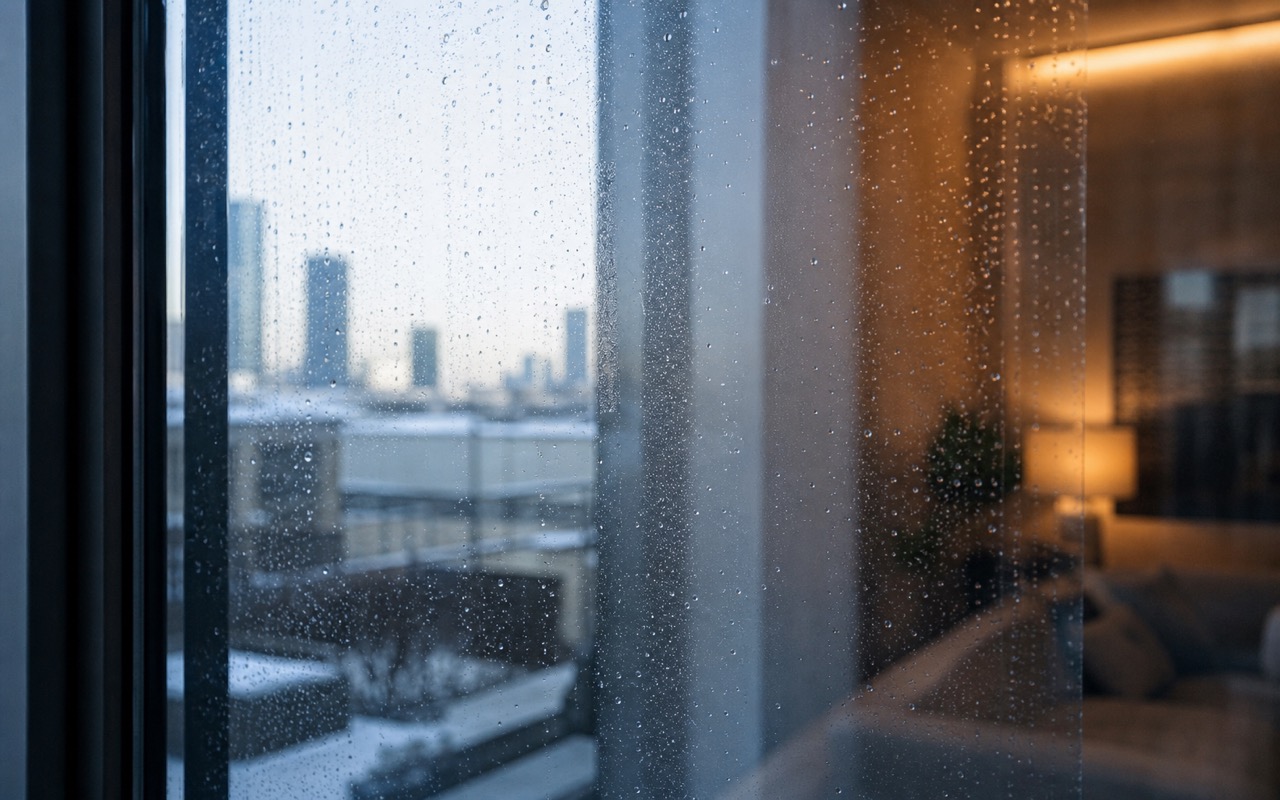
In the first 30 to 60 days after installation, small bubbles are almost always just trapped moisture or air working its way to the edges of the film. They look alarming, but they're part of the normal cure process. As the adhesive sets and moisture escapes, those bubbles shrink and disappear.
Here's a practical guide to bubbles by type:
Small, milky or white bubbles scattered across the film: Almost certainly water bubbles from the installation solution. These are the most common type and virtually always resolve on their own. No action needed.
Small, clear or transparent bubbles: These are typically air pockets that can form during installation, especially near corners or edges. Most will disappear as the film cures and tightens. If a small cluster remains after 90 days, contact your installer — in rare cases, a localized area may need attention.
Large, persistent bubbles that haven't moved or changed: If you have a significant bubble — larger than a coin — that appears firm and doesn't change over several weeks, flag it for your installer. This can occasionally indicate a contaminant or localized adhesion issue that should be assessed.
Bubbles that appear after the film has fully cured: Bubbles that show up months after installation, in a film that had previously cleared, are worth having inspected. This can indicate moisture infiltration or edge lifting, which should be addressed.
The bottom line: bubbles in the first 60 days are expected. Patience is the right response in virtually every case.
How to Care for Your Film During the Cure Period
The 60–90 day cure window is when your film is most vulnerable. The adhesive is still setting, and certain actions can disrupt the bond before it's fully formed.
Do Not Clean the Film for the First 30 Days
This is the most important care rule. Cleaning solutions — even gentle ones — can seep under the edges of the film during the cure period and interfere with the adhesive. Window cleaning during this time is one of the most common causes of edge lifting and delamination.
After 30 days, you can begin cleaning, but use only a soft, clean microfibre cloth and plain water, or a mild, ammonia-free cleaning solution. Avoid abrasive cloths, squeegees with hard rubber edges, or anything that could scratch the film surface.
Don't Peel at Edges or Touch Bubbles
It's tempting to press on bubbles or pick at the edges of the film. Resist that urge entirely during the cure period. Pressing bubbles can move the adhesive around rather than remove it, and any edge interference can introduce contaminants or create lifting points.
Keep the Windows Dry at the Edges
If you have exterior film, avoid pressure washing windows or allowing sprinklers to spray directly onto the glass during the first 30 days. The edges of the film are where it's most vulnerable to water infiltration before the adhesive has set.
Mind the Temperature
Extreme cold or extreme heat directly applied to fresh film can affect the cure. In winter, avoid placing portable heaters directly facing freshly filmed windows. In summer, this is generally not a concern — ambient warmth actually helps.
What's Safe During the Cure Period
Normal use of your windows — opening and closing them, adjusting blinds, regular living — is fine. The film is adhered to the glass surface, not the window frame or hardware, so everyday use doesn't affect the cure.
A Realistic Timeline to Set Expectations
To give you a clear picture of what the post-installation period looks like:
Days 1–7: Expect the most visible bubbles and haziness. The adhesive is still largely liquid and moisture is abundant. This is completely normal.
Days 7–30: Bubbles begin to reduce noticeably. Smaller bubbles often disappear in this window. Clear film may still look slightly hazy in certain light.
Days 30–60: The majority of bubbles should be gone or nearly gone. Film begins to look clear and tight. This is when you can start gentle cleaning with appropriate products.
Days 60–90: Final cure. Clear interior and exterior films should continue settling through this window. Frosted matte film retains its intentional privacy finish.
After day 90: Your film is fully cured. Clean it as you would any window, using ammonia-free products and a soft cloth. The film requires no special ongoing maintenance.
Questions After Your Installation?
If you're past the 90-day mark and something doesn't look right — persistent large bubbles, edge lifting, significant cloudiness that hasn't resolved — reach out to us directly. Our team can assess whether what you're seeing is within normal variation or warrants a closer look.
Call us at (416) 907-6900 or email fortify@clearguard.ca to speak with our team. We'd rather you call with a question that turns out to be nothing than have a minor issue go unaddressed.
If you haven't booked your installation yet, contact us for a free on-site assessment — we'll walk you through the right film for your property and what to expect every step of the way.
Frequently Asked Questions
How long does security film take to fully cure? Most security film installations reach full cure between 60 and 90 days. Product, glass, temperature, humidity, and airflow all matter, so follow the care instructions supplied for your installation.
Is it normal to see bubbles after film installation? Yes — bubbles in the first 60 days are a normal part of the cure process. They're caused by trapped moisture from the installation solution working its way out from under the film. Small bubbles almost always disappear on their own.
Can I clean my windows after film is installed? Wait at least 30 days before cleaning windows with security film. After that, use only a soft microfibre cloth and an ammonia-free cleaner. Avoid abrasive cloths and hard squeegee edges.
Does thicker film take longer to cure? Film construction can affect curing, but it is not the only variable. Plan around the full written care window for the specific interior and exterior films on your glass.
What's the difference between interior and exterior film curing time? Interior film cures more slowly because it isn't exposed to sunlight and airflow that accelerate moisture evaporation. Exterior film, especially in warmer months, can reach functional cure significantly faster than interior film on the same property.