Lawrence Park and Forest Hill: The Heritage Film Case
Owners of pre- and post-war homes in Lawrence Park and Forest Hill face a specific version of the home security question that doesn't come up in most security conversations. These aren't homes with builder-grade windows that nobody cares about. They're homes where the original or period-appropriate windows are part of what makes the property worth owning. Replacing them isn't the answer — in many cases, it isn't even desirable.
If you've been thinking about security film but weren't sure whether it was appropriate for a home with character windows, restored casements, or large original glazing, this post addresses that directly. The film case in Lawrence Park and Forest Hill is less about urgency and more about compatibility: what works on heritage glass, what's invisible, and what doesn't require a contractor to leave anything behind.
What Makes These Neighbourhoods Different
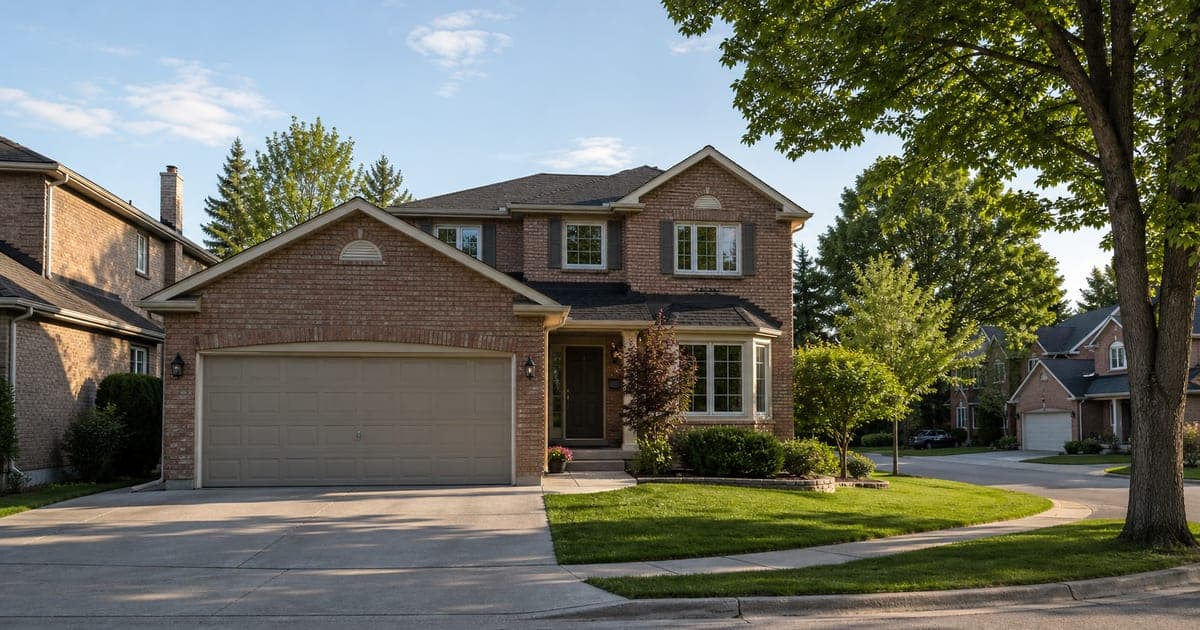
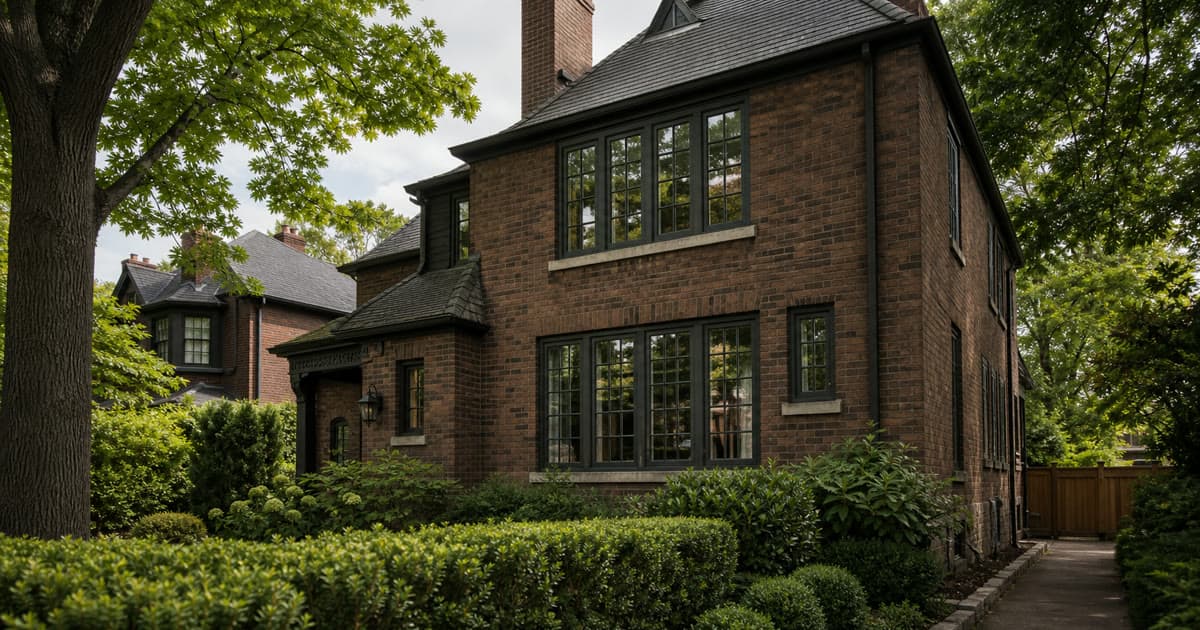
Lawrence Park and Forest Hill share a built form defined by pre-war and immediate post-war construction — detached homes on generous lots, typically brick, with deep rear yards and mature canopy coverage. The same mature oak and elm coverage that defines the neighbourhood's character also limits sightlines from the street to the side and rear elevations of the property.
In these neighbourhoods, the rear of a home is often invisible from the street. A deep lot with a 40- or 50-foot setback, mature hedging, and a tree line means the rear and side elevations of the property can be approached without any visibility from the sidewalk. This isn't unique to Lawrence Park and Forest Hill, but it's more pronounced here than in open-lot suburban neighbourhoods where neighbours can see across properties easily.
The glass that sits on these rear and side elevations — kitchen windows, service windows, pantry windows — tends to receive less attention than the front of the home. And in homes where the front is beautifully maintained, the rear can be quietly vulnerable.
The Large-Window Problem in Pre-War Detached Homes
1920s through 1950s residential architecture in Toronto's midtown neighbourhoods used glazing generously. Parlours, studies, and dining rooms were designed with expansive windows that brought light into deep-plan homes. These windows were a feature, not an afterthought — and they were typically single-pane, original glass installed in wood or metal frames with no safety interlayer.
Original glass in a 90-year-old home is, by current safety standards, untempered and unlaminated. It breaks in a straightforward way under impact. A large parlour or dining room window — the kind that defines the character of a 1930s brick detached home — is also a large pane of glass with no retention capacity beyond the glazing compound that holds it in the frame.
This isn't a reason to replace the windows. Period-appropriate casements and original divided-light windows are genuinely irreplaceable, and in many cases they carry heritage significance or are specifically listed in a property's character description. The point is simply that the glass itself — despite being beautiful and authentic — does not offer the resistance of modern safety glazing.
Film applied to the interior face of original glass addresses this without touching the window from the outside. The glass stays in place. The frame is untouched. From the exterior, nothing has changed.
Side Entry and Rear Kitchen Window Exposure
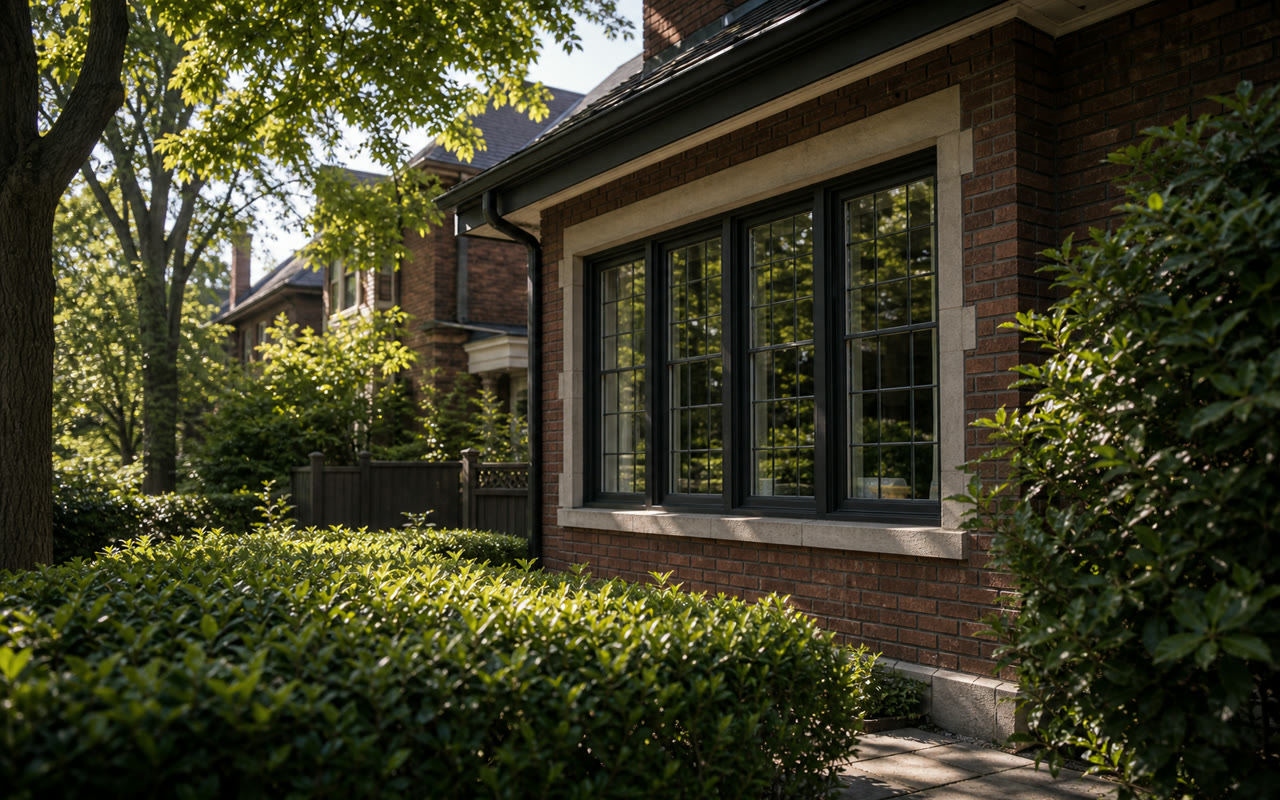
In Lawrence Park and Forest Hill, the rear kitchen or service window is frequently the location that goes unexamined. These windows tend to be at or near grade level on the rear elevation — sometimes in the original kitchen at the back of the main floor, sometimes in a lower-level service area that opens onto the garden. They're not the windows that get restored or featured in real estate photography. They're the practical windows.
The combination of rear-yard access and limited visibility from the street makes these windows worth thinking through carefully. A kitchen or pantry window at grade level, out of sight from the neighbour's sightlines and the street, is a different exposure than a front bay window visible to the whole block.
Side entries deserve similar attention. In Lawrence Park and Forest Hill homes, the side of the property — between the main house and a garage or a fence — is often a quieter, less-observed corridor. Any glass beside or above a side entry — sidelight glass, transom glass, or a window on the return wall adjacent to the side door — is worth assessing. The heritage sidelight glass post covers that specific geometry in detail; this post is about the larger window stock beyond the entry.
Why Window Replacement Is Often Off the Table
For properties in Lawrence Park and Forest Hill, window replacement is frequently neither desirable nor straightforward.
Heritage character properties in Toronto may have specific obligations or considerations attached to their windows under the Ontario Heritage Act or local heritage register designations. Even outside formal designation, original windows in these homes are part of what buyers are paying for. Replacing a 1940s casement with a modern vinyl unit saves energy but costs authenticity — and in this market, authenticity has a price.
Beyond heritage considerations, the practical argument is also straightforward. Replacing large original windows in a 1930s brick home requires permits, custom fabrication, and a significant disruption to a property that has often been carefully maintained. Film installation, by contrast, takes a day. There is no structural work, no permit requirement, and nothing visible from the exterior.
The "reversible and invisible" framing is the relevant one for this audience. Film can be removed. Film cannot be detected from the outside. The original glass remains in the frame. The character of the window is fully preserved.
Which Windows to Prioritize
Not every window in a Lawrence Park or Forest Hill home needs film. A thoughtful assessment focuses on the locations that combine glass type, visibility, and accessibility:
Large bay and parlour windows at the front of the home. These are large, characterful, and often original. They may be the most visible from the street, which provides some deterrence, but they're also the largest panes of unprotected glass on the property.
Ground-floor parlour or dining room windows on the side elevation. These are large, often partially screened by hedges, and on the less-observed side of the property. They're also where the character glass that owners are most careful about tends to live.
Kitchen and service windows at the rear. As discussed above — grade-level, rear-facing, and less observed. Often the least glamorous windows on the property and the ones most worth addressing from a security standpoint.
Glass adjacent to exterior staircases or raised garden entries. Some Lawrence Park and Forest Hill homes have exterior stair access to lower levels or garden-level entries. Any window reachable from an exterior stair without needing to climb should be on the assessment list.
A Clear Guard technician will walk through the property with you and identify the specific priority order based on what's actually there. The assessment is free and takes about 30 minutes.
Frequently Asked Questions
Will film change the appearance of my original windows from the outside? No. High-quality security film is optically clear, and when installed correctly, it is not visible from the exterior or the interior. From the street, the windows look exactly as they did before installation. The film can be applied to the interior face of the glass, and additionally the exterior face to further strengthen the window.
Can film be removed if I decide I don't want it? Yes. Film is a reversible installation. It can be removed without damaging the glass. The adhesive is designed to release cleanly from glass surfaces, though original glass with specific coatings or surface conditions is something we'll assess during the visit.
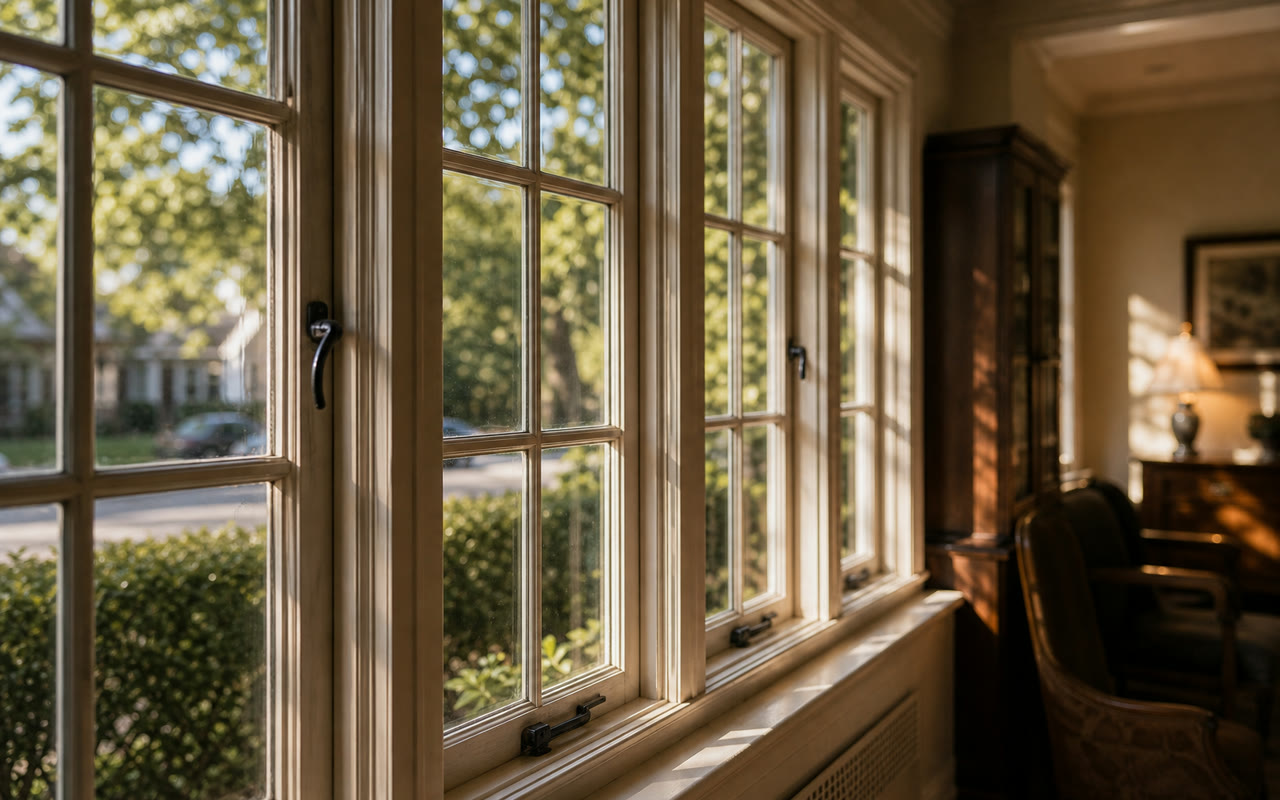
Does film work on the divided-light panes in older casement windows? It can, depending on the individual pane size and the frame geometry. Small panes in a divided-light window each get assessed individually. The approach for a large single pane is different from a twelve-light casement, and we'll give you an honest assessment of what's practical on each window type.
Related reading: