Privacy Locks vs. Deadbolts: Choosing the Right Lock for Every Door
Homeowners often confuse lock types and use the wrong lock on the wrong door.
A privacy lock on a bedroom door makes sense for privacy. The same lock on a front door is inadequate for security.
This post explains what each lock does, where each belongs, and why the distinction matters — especially if you're setting up a family retreat plan and you need to know what kind of lock protects that designated room.
Lock Types and What They Do
Passage set: A simple mechanism with no locking function. Used on interior doors where no privacy is needed (hallways, living rooms, connecting doors). The door closes and latches, but doesn't lock. Anyone can open it.
Privacy lock: A lock on an interior door that can be engaged from the inside but opened from the outside with a small tool (pin, key). Used on bedrooms and bathrooms. The lock provides privacy, not security. It can be easily forced if someone is determined.
Deadbolt (single-cylinder): Operated by a key from outside and a thumb turn from inside. The bolt extends into the strike plate, creating a more secure connection than a privacy lock. Rated by ANSI/BHMA grade (Grade 1 = most secure, Grade 3 = least secure). Most residential deadbolts are Grade 2 or 3.
Electronic lock / smart lock: A keyless or card-based lock used on some residential and commercial doors. Not relevant for this discussion.
Privacy Locks Explained
Privacy locks are designed for privacy, not security.
The mechanism is simple: turn the knob or lever from inside to engage the lock. The lock can be opened from outside with a small tool — useful if a child locks a door and needs to be let in from outside.
Privacy locks are light-duty: the mechanism is simple, the strike plate is single-point, the frame is typically lightweight (interior wall construction).
A privacy lock provides privacy but minimal resistance to forced entry. If someone pushes hard on a door with a privacy lock, the lock fails quickly. The strike plate is weak, the frame is light.
Privacy locks are appropriate for interior doors where privacy is the goal (bedrooms, bathrooms) — not for doors where security is required.
Deadbolts Explained
Deadbolts are designed for security.
A single-cylinder deadbolt is operated by a key from outside and a thumb turn from inside. The bolt extends into the strike plate, creating a stronger connection than a privacy lock.
Deadbolts are rated by ANSI/BHMA grade, which indicates how much force they resist:
- Grade 1: Highest security (rarely residential)
- Grade 2: Commercial / heavy-duty residential
- Grade 3: Standard residential (most common)
A Grade 3 deadbolt on a good frame is significantly stronger than a privacy lock. But a Grade 3 deadbolt without a reinforced frame is still weak — the frame fails before the lock.
A deadbolt provides resistance to forced entry when paired with a good frame and strike plate. Alone, without a reinforced frame, it's better than a privacy lock, but still vulnerable.
Where Each Belongs
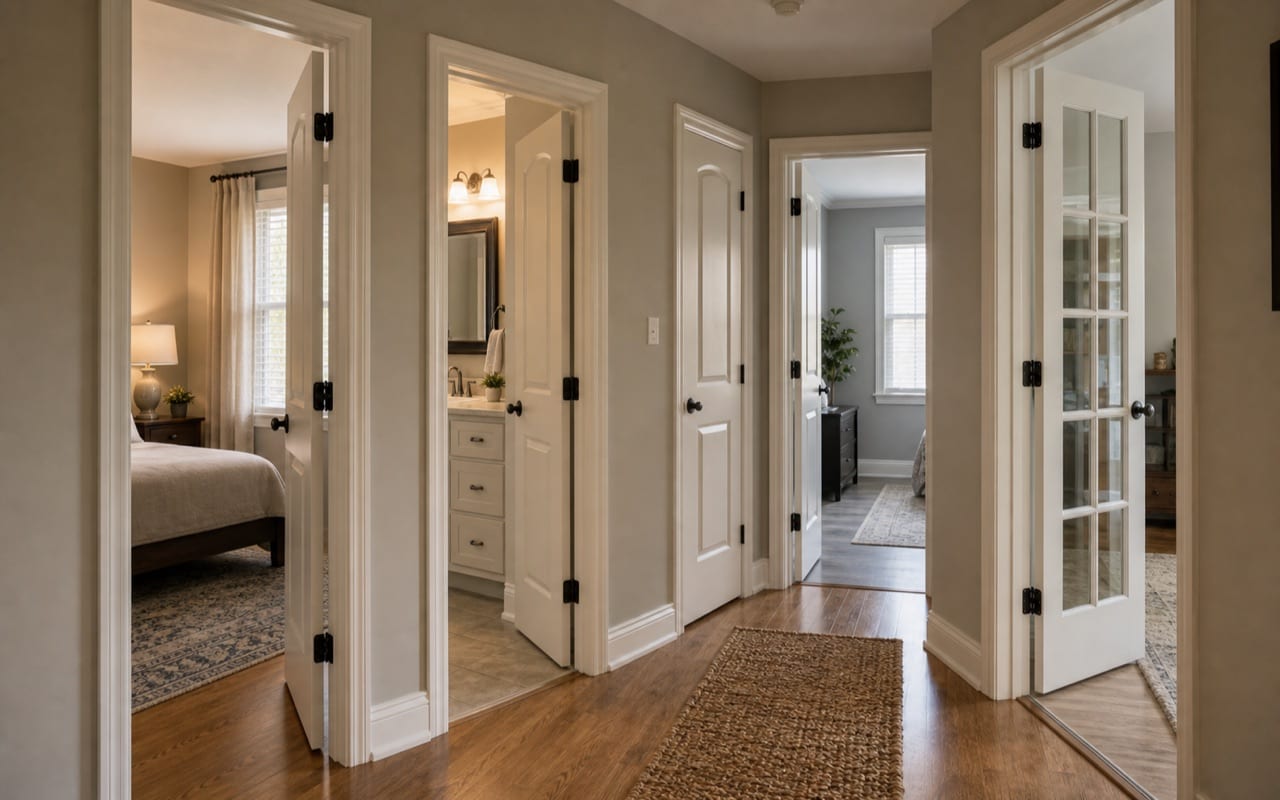
Passage sets: Interior hallways, connecting rooms, bathrooms in low-security contexts. Anywhere privacy isn't needed.
Privacy locks: Bedrooms, personal bathrooms, offices. Where privacy is the goal and security is secondary.
Deadbolts: Exterior entry doors, garage-to-house interior doors, interior designated rooms in a family safety plan, secondary exits.
The Retreat-Plan Angle: Why It Matters
If you're setting up a designated safe room or retreat room as part of a family safety plan, the lock type matters.
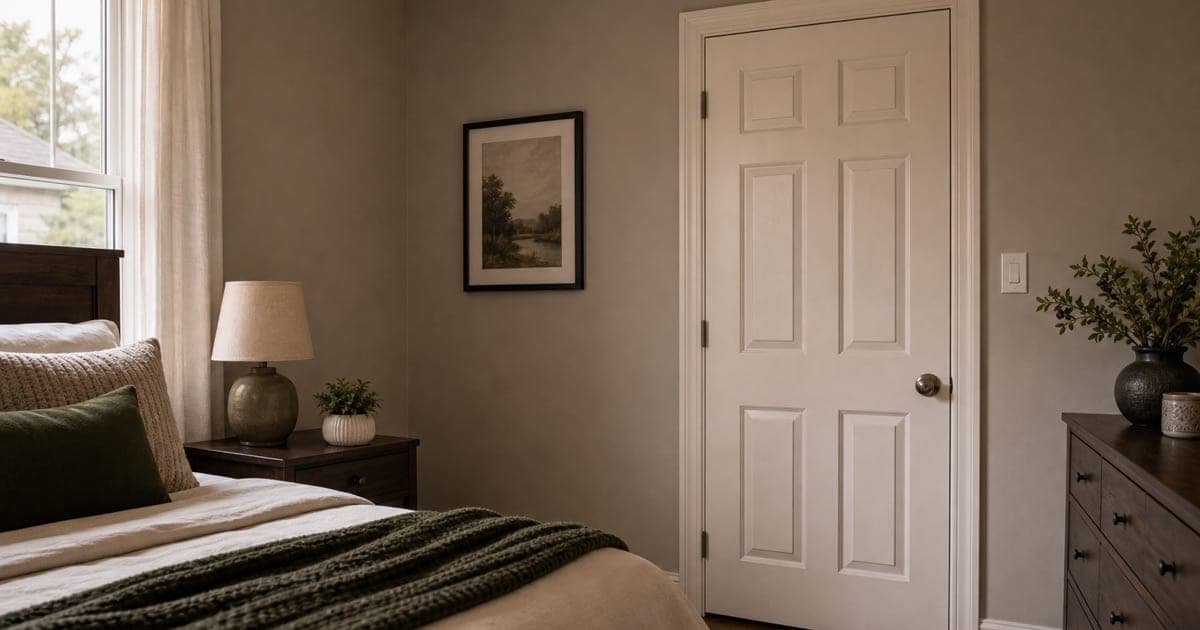
A privacy lock on a bedroom door provides privacy. If an intruder enters the home, a privacy lock on your designated room provides minimal resistance. It's designed for accidental intrusion (kids), not forced entry.
A deadbolt on the same bedroom door provides actual resistance. Paired with a solid-core or reinforced door and a good strike plate, it provides meaningful delay. Long enough for an alarm to trigger and family to move.
The difference is significant: privacy lock = seconds of delay; deadbolt with reinforced frame = minutes of delay.
If your designated retreat room has a privacy lock, upgrading to a deadbolt and ensuring the frame is solid makes a real difference.
Frame and Strike Plate Matter as Much as the Lock
A good lock with a poor frame and weak strike plate is not effective.
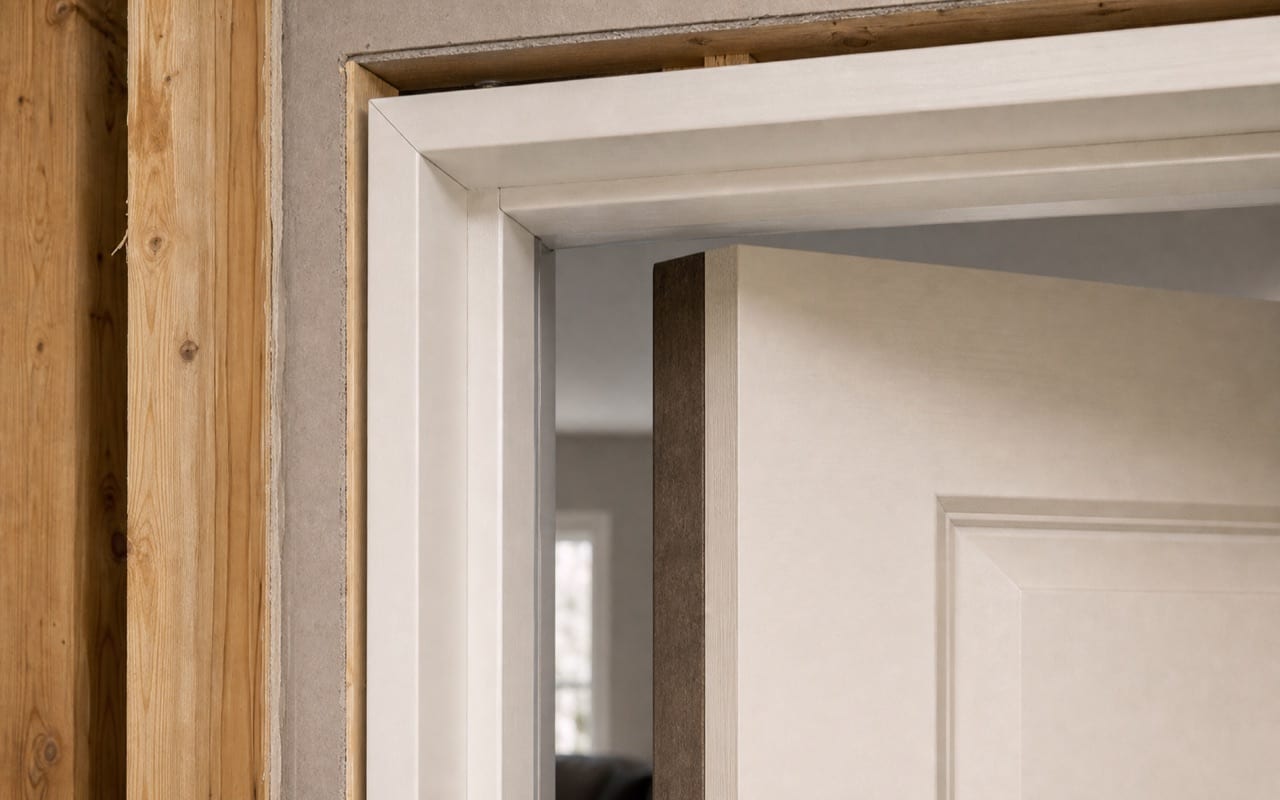
Interior door frames are typically thin (1/2" drywall on 2x4 studs) with simple 2.5" strike plates and short screws.
For a retreat room or any door where security matters, the frame should be upgraded as part of a door fortification approach:
- Solid-core or reinforced door (not hollow-core)
- Heavy-gauge strike plate (2.5"–3")
- Longer structural screws into the stud (3"–3.5")
A privacy lock with a proper frame is more effective than a deadbolt with a poor frame. The system matters: lock + frame + strike plate all work together.
Choosing Locks for Your Home
Audit every door:
- Exterior doors: need deadbolt + reinforced frame
- Interior private rooms (bedrooms, bathrooms): privacy lock is standard; deadbolt if you want additional security (retreat room)
- Connecting rooms (hallways): passage set is fine
For a retreat plan:
- The designated room should have a solid door with a deadbolt and a heavy-gauge strike plate
- This is the one interior door where security matters
- The rest of the home can have privacy locks and passage sets
For renovation:
- Specify deadbolts on all exterior doors
- Specify deadbolts on bedrooms if security is a concern
- Passage sets on non-security interior doors
For upgrade:
- If your designated retreat room has a weak interior door, consider replacing it with a solid-core door and upgrading to a deadbolt
- This is one of the highest-impact upgrades for family safety
FAQ
What's the difference between a privacy lock and a deadbolt?
A privacy lock provides privacy; a deadbolt provides security. Privacy locks can be easily forced. Deadbolts, paired with a good frame, provide meaningful resistance.
Is a privacy lock secure?
Not really. A privacy lock is designed for privacy, not forced-entry resistance. If someone is determined, a privacy lock fails quickly.
What lock should be on a bedroom in a family safety plan?
A deadbolt, paired with a solid-core door and a heavy-gauge strike plate. This provides the resistance you need for a designated retreat room.
Related reading
Book a free lock and frame assessment on your designated retreat room. A technician will examine your current locks and frames — and tell you whether privacy locks are adequate or whether a deadbolt and reinforced frame would improve security. Written quote within 48 hours, no obligation.