Open House Season: Protecting Your Home While It's on the Market
Preparing for an open house? Your home is about to have strangers walking through rooms you've lived in for years.
This creates a temporary security vulnerability: valuables are accessible, unfamiliar people are in your home, and your routine is disrupted. But it also creates an opportunity: visible security improvements are a selling point to buyers looking for confidence in a home's condition.
This post covers how to protect your home during showings and how security investments increase buyer confidence and home value.
The Temporary Security Vulnerability
Open houses and buyer showings create a window where strangers have access to your home.
Real estate agents can't vet every visitor. Anyone can attend an open house. During the showing period, the security challenge is managing that temporary access while protecting valuables and family safety.
The vulnerability is real, but it's also temporary. A practical plan addresses the risk without making the home feel like a fortress, and it pairs naturally with broader family safety planning you may already have in place.
Before the Open House: Preparation
Secure or remove valuables:
- Jewelry, cash, electronics, artwork: remove or lock in a safe
- Medications (especially controlled substances): secure or remove
- Personal documents (passports, financial records): secure in a locked drawer or remove
- Photos and personal items: remove if they distract from the "blank canvas" selling angle anyway
Choose one secure location (bedroom safe, office cabinet, garage storage) where all valuables are locked. Brief anyone in the home on this location. Don't display that location conspicuously.
Secure the alarm system:
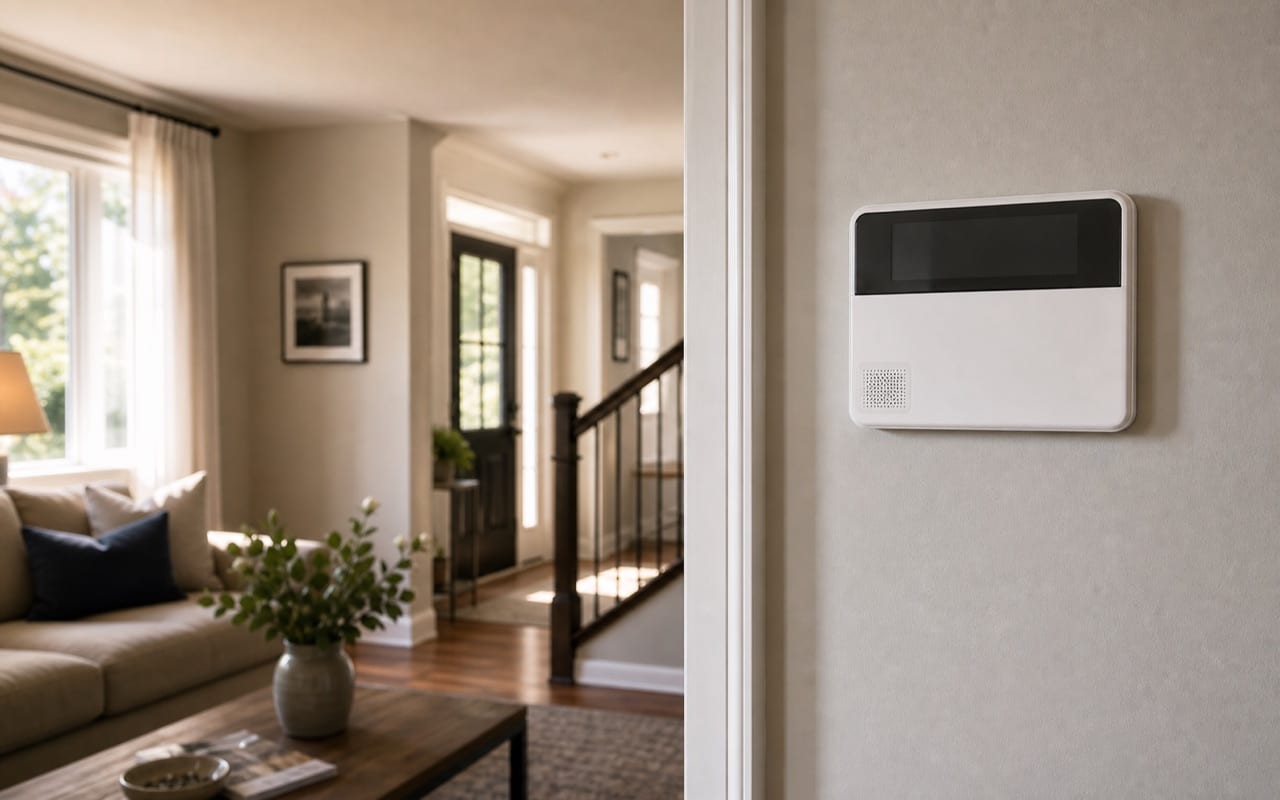
- Some systems need to be disarmed or placed in "showings mode" so buyers don't trigger alarms
- Work with your real estate agent on this plan
- Most agents are experienced with this; coordinate timing
- Plan to re-enable the alarm after each showing or at the end of the day
Unlock showing doors but secure others:
- Unlock and open all doors that buyers will see (creates a welcoming "open floor plan" feeling)
- Secure any doors you don't want shown (basement utility area, locked office, locked garage entry)
- Verify that front-door locks work (you'll use them for arrival/departure during showings)
During the Open House: Active Security
If you're present:
- Stay visible but not hovering; let the agent and buyers move freely
- Keep an eye on high-value areas (master bedroom, kitchen, office)
- Note if visitors linger too long in one area or inspect entries/windows closely
- Keep valuables (car keys, purse, phone) with you
If you're absent during the showing:
- Brief your agent on the security plan and where valuables are locked
- Ask the agent to lock all doors after the showing finishes
- Ask a trusted neighbor to keep an eye on things (unusual activity, lingering visitors)
- Ask your agent for a list of visitors for follow-up
After each showing or at the end of the day:
- Walk through and verify all doors and windows are locked
- Spot-check for anything moved or missing
- Re-enable your alarm system if you've disabled it
- Verify nothing looks tampered with
After the Open House: Recovery
- Return valuables to normal locations
- Change your alarm code if you've shared it with the agent (optional, but some homeowners do)
- If you had to leave doors/windows unlocked for the showing, secure them immediately after
- Review your agent's visitor list for anything unusual
- If you're uncomfortable with a visitor, discuss it with your agent
How Security Improvements Increase Home Value and Buyer Confidence
Here's the selling-point angle: visible security investments signal to buyers that the home is well-maintained, secure, and professionally cared for.
Visible security signage:
- "Alarm System" stickers and "Monitored" signs are perceived as security indicators by buyers
- Buyers (especially first-time buyers and families) appreciate visible security commitment
- Even if the system is temporarily disarmed for showings, the signage creates confidence
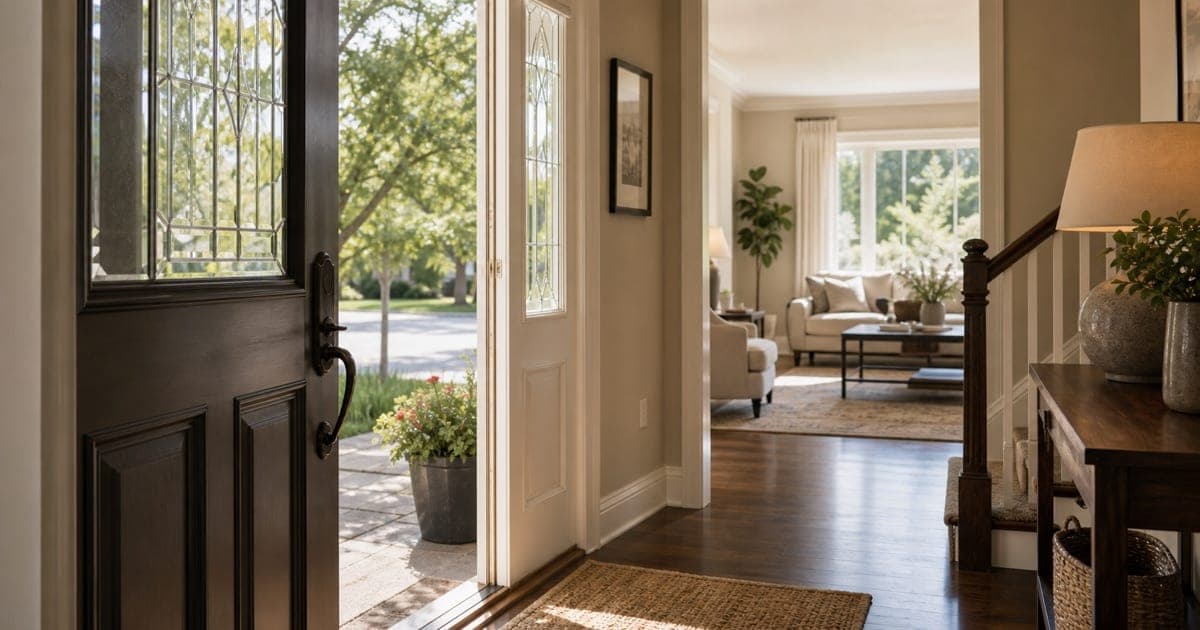
Visible door reinforcement:
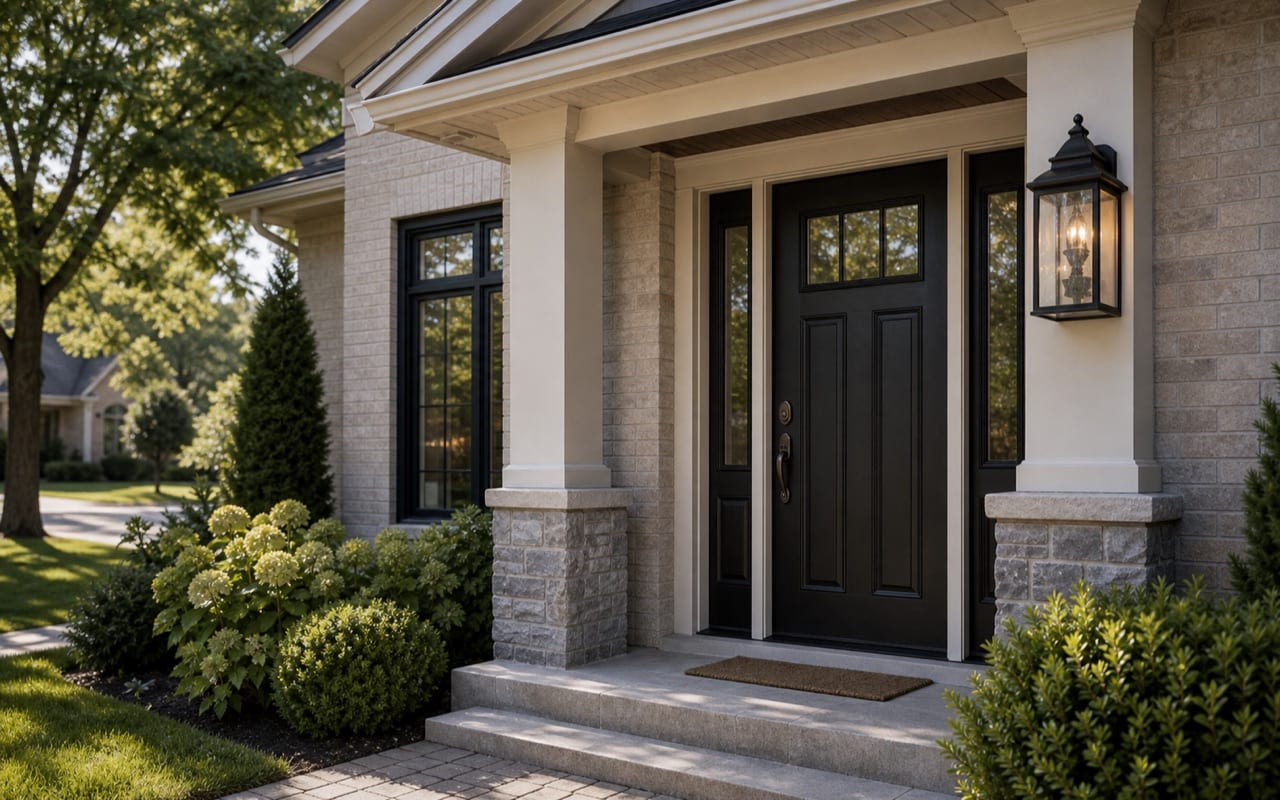
- Heavy-gauge hardware and solid frames signal that the owner invested in the home
- Buyers appreciate entries that look secure and professional
- This is especially valuable for families concerned about security
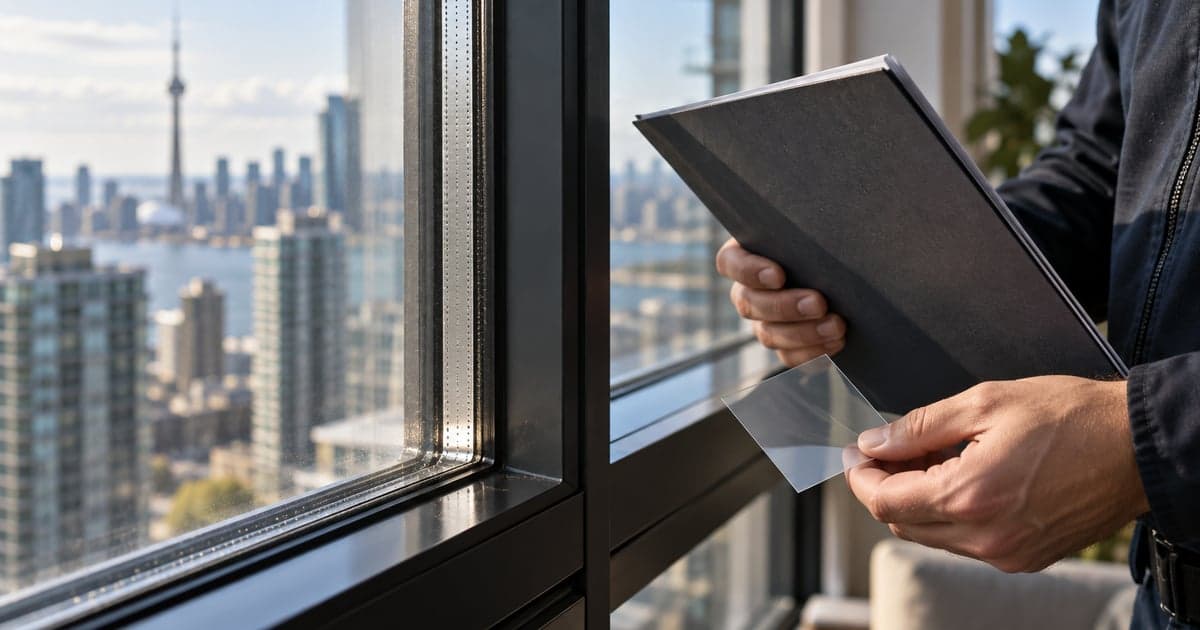
Window film:
- Subtle reflective sheen visible from the exterior signals that windows have been upgraded
- Buyers recognize this as a security investment
- Particularly appealing to families and security-conscious buyers
Exterior lighting:
- Well-lit exterior is perceived as safer
- Buyers note motion lighting and exterior fixtures
- Professional-quality lighting suggests the property is well-maintained
These improvements are selling points:
- First-time homebuyers: Appreciate security investments because they reduce future upgrade costs
- Families with children: Value visible security and a secured entry
- Buyers in low-density areas: Especially appreciate security investments that address isolation
- Sophisticated buyers: Recognize security spending as a proxy for overall home quality and care
Marketing Your Security Investments
In your listing:
- If you've had security film applied: "professionally upgraded security glazing"
- If you've had door fortification: "security-hardened entry with reinforced frame"
- If you have a monitored alarm: "monitored alarm system with full coverage"
- If you've recently had a security assessment: "professionally assessed and upgraded security"
During the showing:
- Ask your agent to briefly mention visible security improvements
- Provide documentation to serious buyers (assessment reports, film/fortification specifications)
- This increases buyer confidence in the property's condition and value
"Buyer confidence in home security translates to faster sales and higher offers." Security improvements are not just for living in the home; they're a selling feature.
Working With Your Real Estate Agent on Security
Brief your agent before the open house:
- Share your security plan and where valuables are locked
- Establish a signal if you're concerned about a visitor
- Ask the agent to lock all doors after the showing finishes
- Provide emergency contact info
Communicate which areas are off-limits:
- Locked basement, locked office, locked garage area
- Agent should direct visitors to open areas only
Ask for feedback:
- Did any visitors seem unusual?
- Did anyone focus on valuables or entry points?
- Are there any follow-up concerns?
If uncomfortable with open-house format:
- Discuss alternatives: agent-only previews, appointment-only showings
- Some sellers prefer more control than a full open house provides
FAQ
What should I do with valuables during an open house?
Secure or remove them. Don't leave jewelry, cash, electronics, or artwork on display. Lock them in a safe or designated secure location.
How does security affect home sale?
Visible security improvements signal quality and care. Buyers (especially families) appreciate security investments. It can translate to higher offers and faster sales.
Should I keep my alarm armed during showings?
Usually no; it may trigger accidentally. Work with your agent to disable it or place it in "showings mode." Re-enable after each showing.
Related reading
Book a pre-sale security assessment. A technician will evaluate your home's security features, document what you've invested in, and recommend simple improvements that highlight security to potential buyers. Written summary within 48 hours, no obligation. Let your security investments become a selling point.