Cottage Country Seasonal Security: Protecting a Property That's Vacant Most of the Year
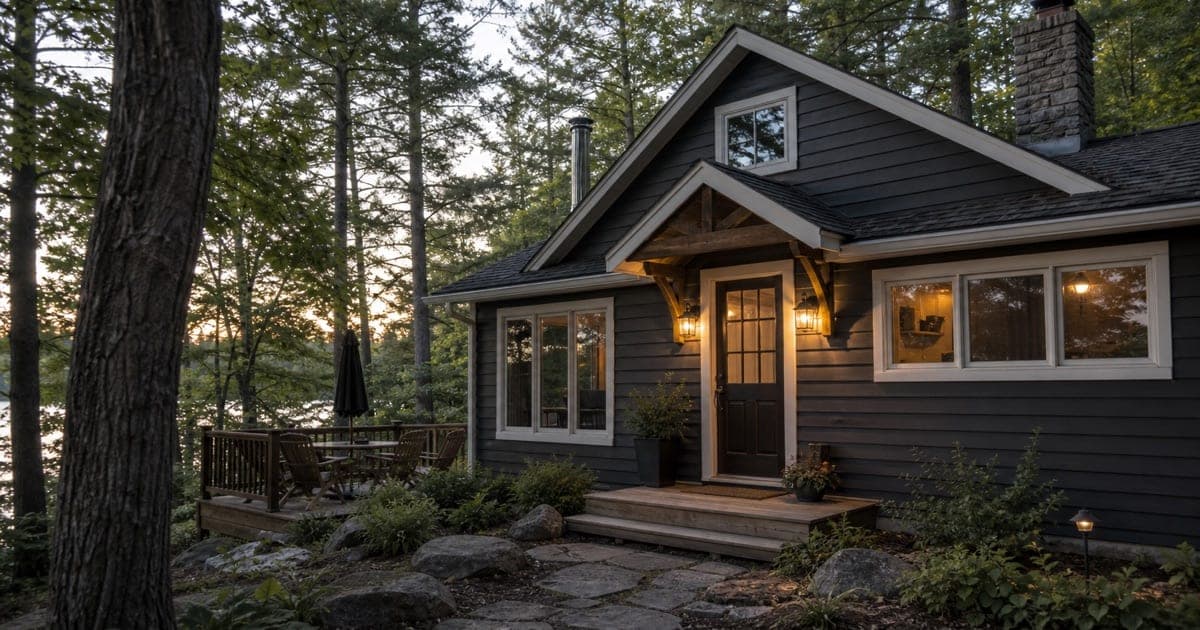
Seasonal cottages and vacation properties are targets for off-season break-ins.
The property is known to be empty. It's isolated. It's unobserved for months. Multiple break-ins can happen in succession without the owner knowing immediately.
This post is for seasonal property owners who want practical security measures for the months their property sits vacant. It covers what to do before leaving for the off-season and how to deter off-season break-ins.
Why Seasonal Properties Are Targets
Seasonal properties (cottages in Muskoka, cabins in Haliburton, lake properties in Kawartha) are empty for 8+ months per year.
Known vacancy: Neighbors and locals know the property is seasonal. It's known to be empty.
Isolation: Most cottages are isolated or low-density. Few eyes on the property during the off-season.
Extended damage window: A break-in discovered in July might have happened in February. Damage and theft go undetected for months.
Opportunistic breaks: Off-season break-ins are often opportunistic — someone knows the property is empty and tries entry without expecting a response.
Multiple incidents: Because the property isn't checked regularly, multiple break-ins can happen in succession. The first incident might not be discovered until months later, by which time there have been others.
This creates a different security model than an occupied home: "minimize vulnerability when absent."
Pre-Season Security Checklist
Before leaving your cottage for the off-season:
Inventory and secure valuables:
- Remove or secure artwork, electronics, jewelry
- Take out anything you don't want lost or damaged
- Leave the property looking less valuable
Secure all locks:
- Upgrade or replace weak locks if present
- Ensure all locks work and are secure
- Consider new locks if you don't control who has copies
Apply security film to ground-floor glass:
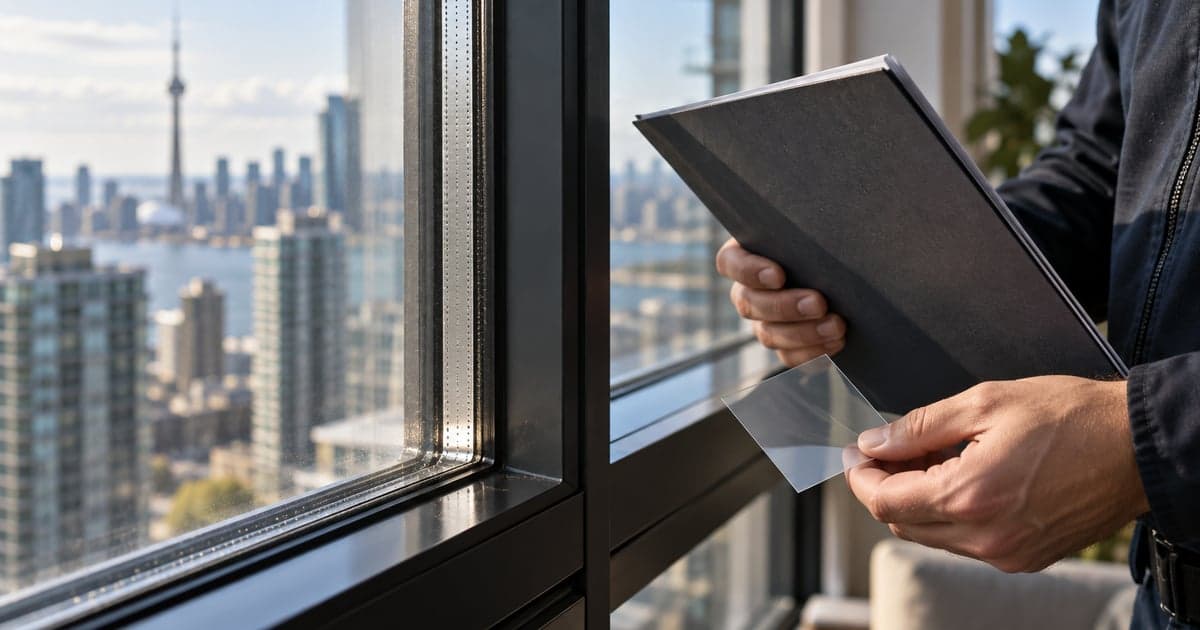
- Apply security window film to patio sliders, ground-floor windows, basement windows
- Film holds shattered glass together if the pane is broken and makes entry slower
- This is a high-priority upgrade for seasonal properties
Activate alarm system:
- If you have a monitored system, ensure it's armed and monitoring is active
- If you don't have one, consider installing before the off-season
- Verify that all sensors are working
Prepare the exterior:
- Trim shrubs so sightlines are clear; don't leave hiding spots
- Remove anything that could be used as a tool
- Mark fuel or heating oil storage areas visibly so they're not an easy target for theft
Shut off or secure utilities:
- Gas, water, and electrical shut-offs should be secure
- Thieves sometimes turn off utilities to work undisturbed (lights off, heat off, no one notices)
- Know where your shut-offs are and ensure they're not accessible
Remove exterior signage:
- Don't leave "closed for the season" signs
- Don't indicate that the property is vacant
- Ask a neighbor to move trash cans occasionally so it doesn't look abandoned
Off-Season Monitoring and Deterrence
While the property is vacant:
Ask a trusted neighbor to watch:
- Request periodic checks (weekly or bi-weekly)
- Ask them to report anything unusual
- Ask them to move trash cans occasionally to simulate occupancy
- Provide your contact information
Install visible security signage:
- Alarm system signs and "monitored" stickers are deterrents even if the system isn't actively monitored
- Visible security investments signal that the property is protected
Use motion-activated lighting:
- Exterior motion lights make the property less attractive for night-time break-ins
- Lights activate when approached, removing the cover of darkness
Install outdoor cameras with cloud backup:
- Cameras store footage to the cloud, so it's not lost if the property is vandalized
- Cloud storage ensures you have footage of the break-in for insurance and police
Use time-switches or smart bulbs:
- Lights on random timers simulate occupancy
- This is a low-cost deterrent that makes the property appear occupied
Enable alarm perimeter monitoring:
- If you have a monitored system, ensure it's armed
- Alarm alerts notify you if a break-in happens (though response time is longer from a distance)
- This gives you faster notification than waiting for a neighbor to check
Check on the property occasionally:
- If possible, visit every 4–6 weeks during the off-season
- Walk the perimeter, check for tampering, verify that doors and windows are locked
- This presence alone is a deterrent
The Cottage-Specific Vectors
Cottage break-ins target different entry points than occupied homes:
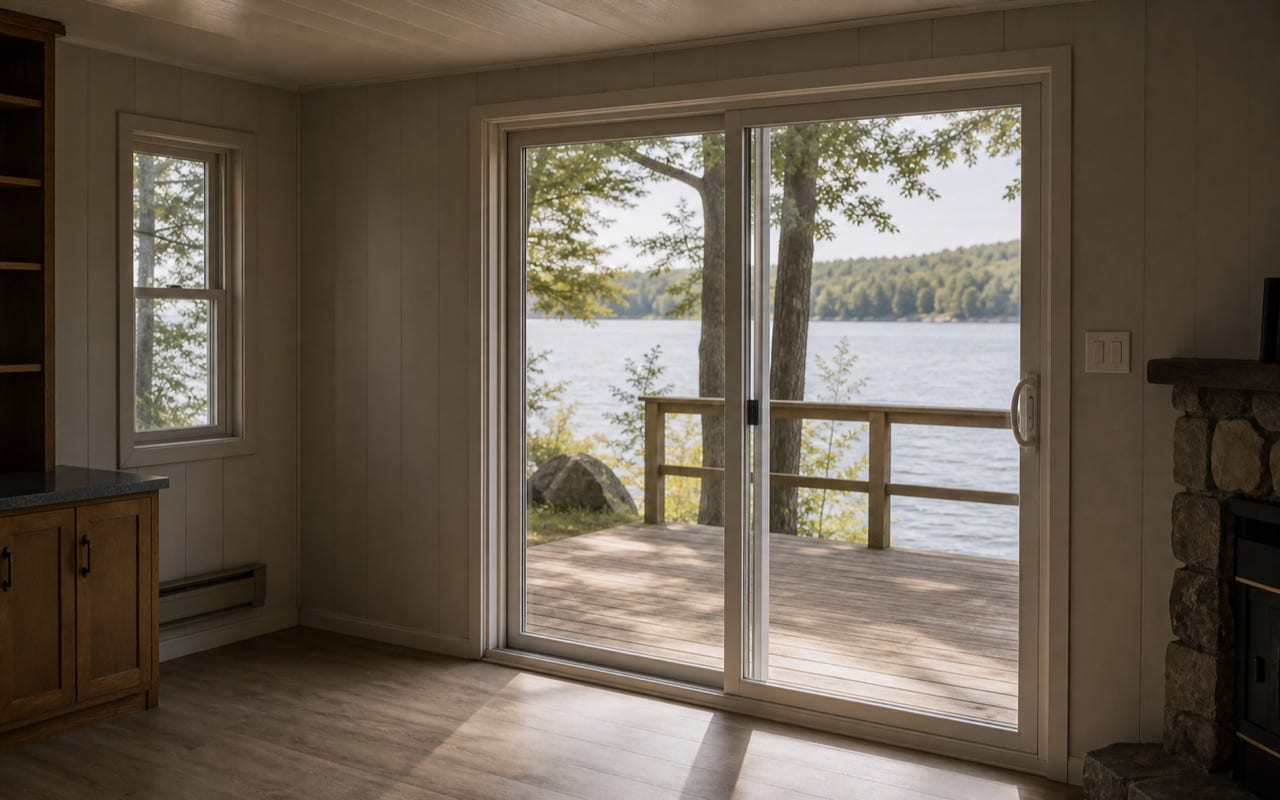
Patio sliders: Often original single-pane, single-latch glass. High priority for film because they're easy to breach and they're where items are stored (furniture, etc.).
Basement doors or walk-outs: Easier to breach than main-floor entries. Check these carefully.
Utility doors and garage side doors: Often overlooked by owners. Verify they're locked and secure.
Windows: Cottage windows are often original single-pane. These are easier to breach than modern double-pane.
The threat model is different: Instead of "prevent entry while someone could respond," the model is "deter the low-visibility breach attempt that goes unnoticed for weeks."
Spring Opener and Fall Closer
Spring opening (when returning for the season):
- Inspect all entry points for tampering
- Check doors and windows for damage or forced entry
- Walk the perimeter and look for anything unusual
- If anything looks compromised, call police before entering
Fall closing (before leaving for the season):
- Do a final security audit
- Test all locks
- Verify film is intact on windows
- Secure valuables
- Activate alarm system
- Notify neighbor of your departure
Assessment for Seasonal Properties
Clear Guard serves seasonal and waterfront properties across Cottage Country — from Muskoka and Haliburton to the Kawarthas, Georgian Bay, and Prince Edward County. A Clear Guard assessment on a seasonal property focuses on: which entry points are most vulnerable during off-season, which should be filmed, what exterior hardening makes sense.
Recommendations often include: film on patio sliders and ground-floor windows, upgraded locks on secondary doors, alarm sensor coverage on all entry points.
Prioritization is different from an occupied home: deter the low-visibility breach attempt (patio slider, basement window), not just fortify the front door.
FAQ
Why are seasonal cottages targeted for break-ins?
They're known to be vacant, often isolated, and unobserved for months. Multiple break-ins can happen before they're discovered. Off-season break-ins are opportunistic.
What's the most important security upgrade for a seasonal property?
Window film on patio sliders and ground-floor windows. These are the easiest entry points on a cottage and film prevents the hand-reach-through if breached.
Is a monitored alarm system worth it on a seasonal property?
Yes. Even though response time is longer from a distance, alarm notification means you know about a break-in immediately rather than discovering it on your next visit. Insurance may also discount monitored systems.
Related reading
Book a free seasonal-property assessment. A technician will identify your cottage's off-season vulnerabilities and recommend where film, upgraded locks, or alarm coverage makes sense. Written quote within 48 hours, no obligation.