Moving From Condo to Home: Adjusting Your Security Expectations and Responsibilities
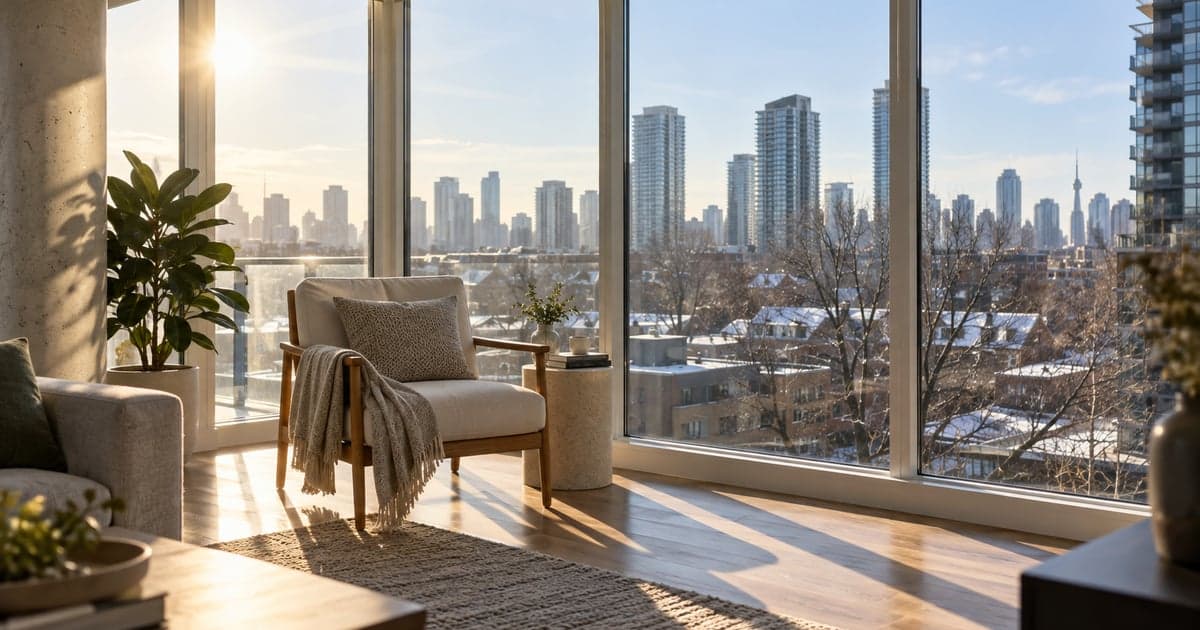
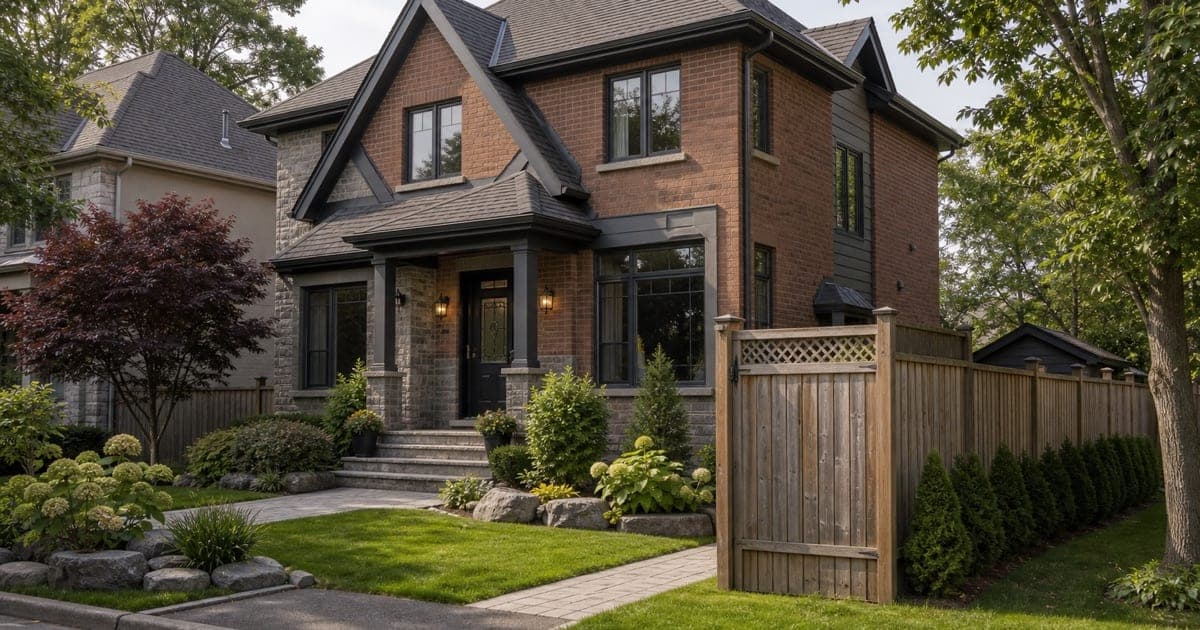
If you're moving from a condo or apartment to a detached home, your security model is changing completely.
In a condo, the building handles perimeter security. You handle your unit. In a home, you're responsible for every entry point, every lock, every window, the perimeter, lighting — everything.
This shift isn't intuitive. It can feel overwhelming. But it's also an opportunity: you have complete control over your security and can build the system that makes you feel safe. The same principles that Toronto police share with homeowners apply here, just with more entry points to think through.
This post is for first-time home buyers transitioning from building security to home ownership.
The Security Model Shift
Condo security model:
- The building handles the main entrance and perimeter
- The concierge or security desk monitors access
- You handle your unit's lock and door
- Shared responsibility; the building is part of your security system
Home security model:
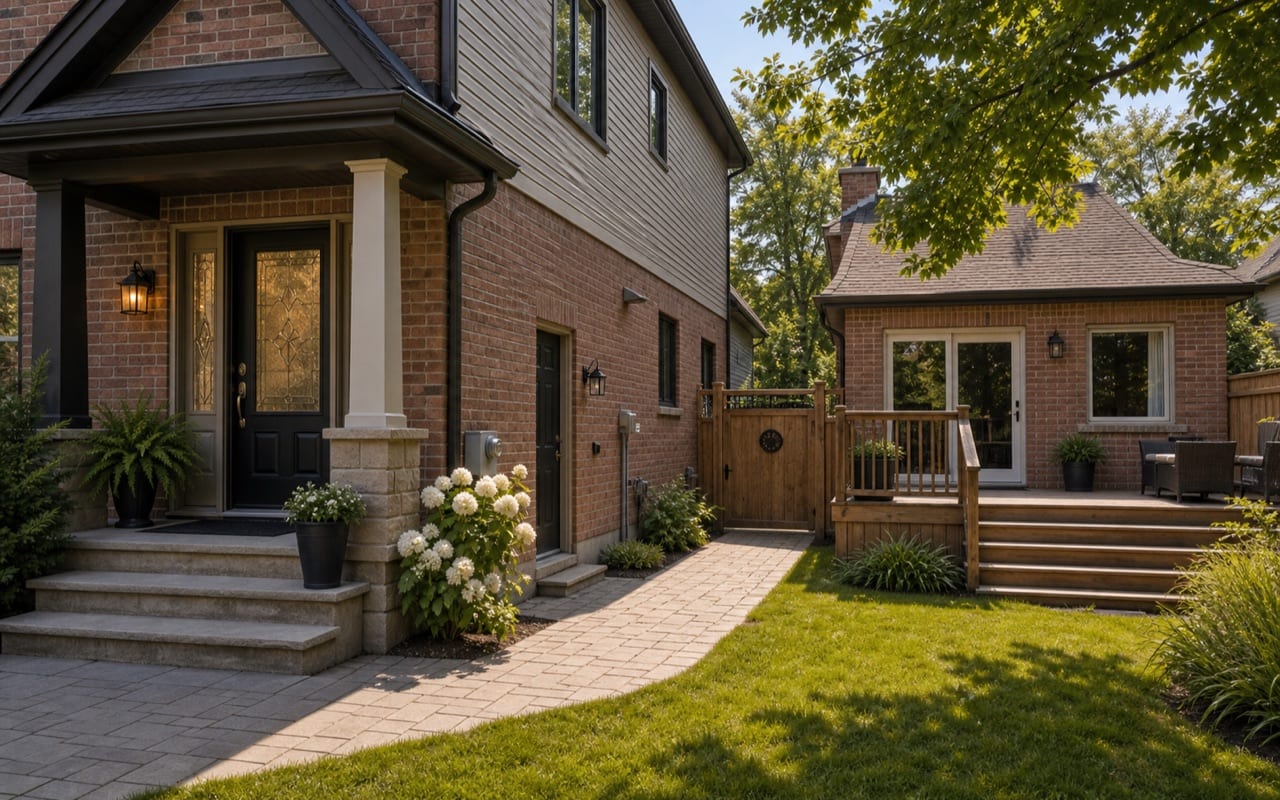
- YOU handle every entry point: front door, rear doors, patio slider, windows, garage, basement
- YOU handle perimeter lighting and visibility
- YOU handle the alarm system (if you want one)
- YOU are responsible for all security decisions
- No shared responsibility; no building staff to intercept a threat
This is a bigger responsibility. But it's also simpler, because it's all one property, not a complex shared system.
What You No Longer Have (and What That Means)
No concierge or front-desk security:
- You're the first line of defense
- No building staff to vet visitors or intercept suspicious people
- What you gain: total control over who has access to your home
No shared building locks:
- Your locks are yours alone; no other residents have keys
- What you gain: you control every lock and can change them anytime
No building alarm system:
- If you want alarm monitoring, you subscribe and monitor it yourself
- What you gain: you choose the system and the monitoring level
No neighbors above/below:
- You lose the ambient presence of other residents
- You also lose the noise and shared walls
- What you gain: privacy and complete control
No building perimeter:
- Your property boundary is your responsibility
- What you gain: visibility into every access point
No shared hallways:
- No one monitors hallways or common areas
- What you gain: no strangers in your building
The Entry Points You're Responsible For
Your home has more entry points than a condo unit, but they're simpler to manage:
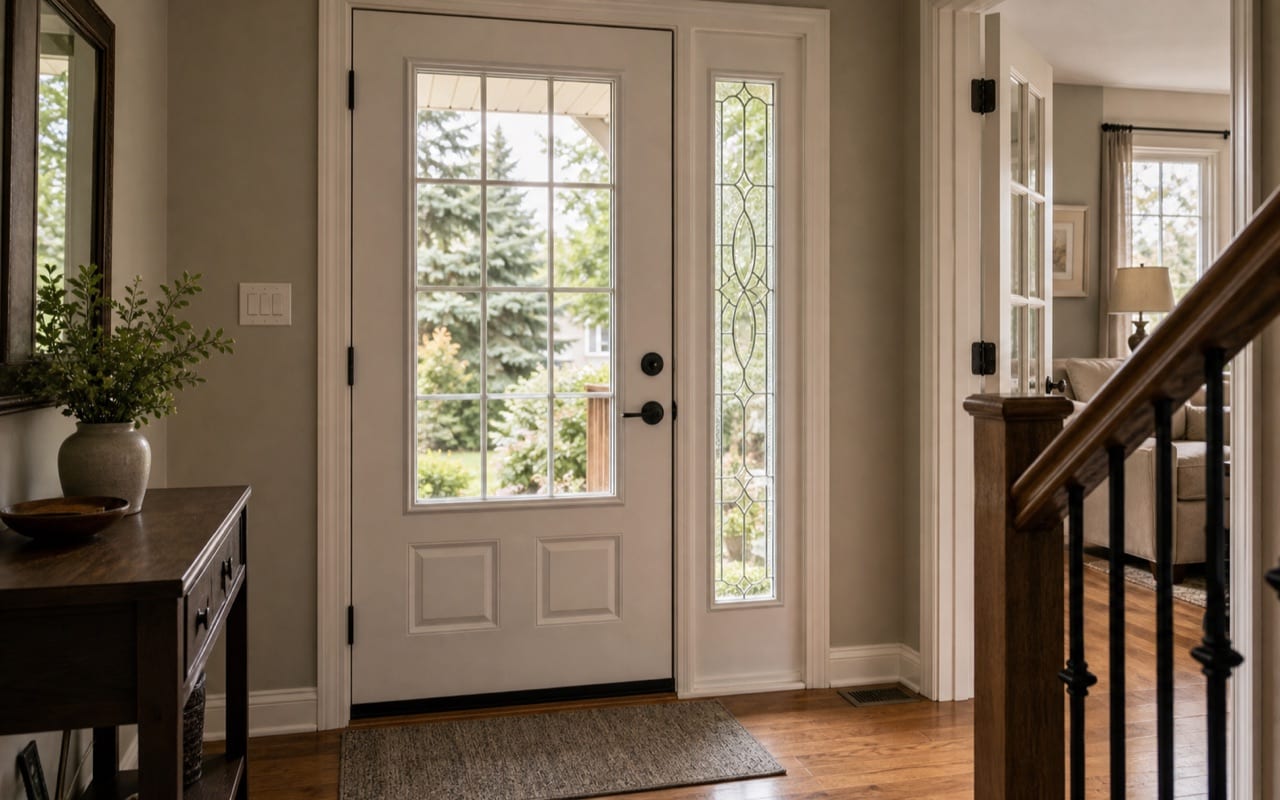
- Front door: Your lock, your frame, your responsibility
- Rear doors: Patio slider, back exit, deck access — all yours
- Windows: All ground-floor windows, basement windows, sidelights — all yours
- Garage: Overhead door, garage-to-house door, garage windows — all yours
- Basement: Basement door, basement windows, walk-out exits — all yours
- Exterior: Lighting, yard maintenance, perimeter visibility — all yours
- Alarm system: If you want one, you choose it and maintain it
This list is longer than a condo unit, but it's all one property. You can audit it, harden it, and maintain it systematically.
The Threat Model Is Different
Condo threat: Someone with building access attempting your unit entry.
Home threat: Someone from outside attempting any entry. The threat comes from the exterior, not from within a shared building.
Condo advantage: Building perimeter and concierge watch.
Home advantage: You control every decision and can harden completely. No compromises with neighbors or building management.
For someone moving from a condo, the main shift is: threat comes from outside, not from within a complex. This is actually simpler.
Practical Priorities for Someone Transitioning to Home Ownership
Month 1 (move-in):
- Audit all entry points: doors, windows, locks
- Change exterior door locks if you don't trust the previous owner
- Test all locks and frames to ensure they work
- Walk around your property at night to understand sightlines and lighting
- Check whether you have an alarm system (lease or own it)
Months 2–3:
- Add motion lighting to dark exterior areas (rear, sides)
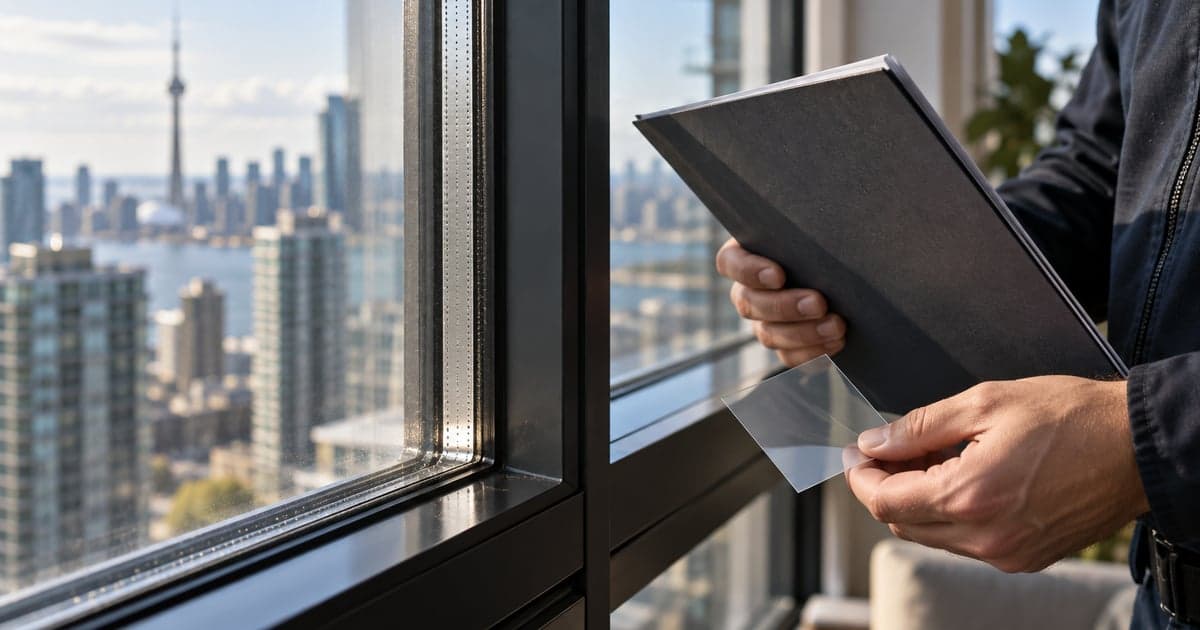
- Apply window film to ground-floor windows or high-risk glass
- Reinforce your entry doors if they feel weak (check frame and strike plate)
- Test your alarm system and understand the response procedure
Months 4–6:
- Plan a retreat room if you have family (designated room, phone, simple plan)
- Consider upgrading the lock on the designated room (deadbolt vs. privacy lock)
- Install or upgrade exterior cameras if budget allows
- Consider a smart-home system for lighting and access control
Ongoing:
- Maintain sightlines (trim shrubs)
- Test your alarm system monthly
- Replace exterior locks if they're old or low-quality
- Keep your security plan current as your family or situation changes
The Advantage You Have Over a Condo Owner
You control the entire security model. No building committees. No shared systems. No compromises.
- You can add film to windows without approval
- You can reinforce doors without asking anyone
- You can install lighting, cameras, alarm systems on your schedule
- Your security decisions are your own
- You can prioritize based on your specific concerns, not building consensus
This is a real advantage. Use it.
FAQ
Is a condo more secure than a house?
Not necessarily. A condo has building perimeter security, but you're still responsible for your unit. A house puts all responsibility on you, but you have complete control and can harden it fully.
What should I prioritize when moving to a home?
The entry doors first. Have them assessed or upgraded. The doors are the highest-impact entry point, and builder-grade doors are often weak. Then move to ground-floor windows.
Do I need a professional security assessment?
Not required, but helpful. A technician can identify your highest-priority vulnerabilities and create a plan you can execute over time.
Related reading
Book a free home-security assessment for new owners. A technician will walk your entry points, identify your highest-priority vulnerabilities, and create a practical security plan. Written quote within 48 hours, no obligation. Welcome to homeownership.